
If you have been doing SEO for any length of time, you already know the hard truth: building a single tier of links directly to your money site rarely cuts it anymore in competitive niches.
I’ve been testing off-page strategies here at Rankers Paradise for a decade, starting right back when I published my first guide on web 2.0 backlinks that shot straight to a number one ranking within three months. Over the years, I’ve seen the industry shift from simple, automated link wheels to complex, multi-layered link architectures.
If you are looking for the best tiered link building services, you are likely tired of agencies promising overnight magic bullets only to watch your rankings flatline or drop. Most providers get tiered linking entirely wrong. They blast low-quality spam at Tier 1, watch those properties get de-indexed, and wonder why the money site takes a hit.
Let’s cut the fluff and look at how tiered link building actually works in the real world when you build it for safety, indexation, and raw ranking power.
Why Most Tiered Link Building Services Fail
Most link-building packages sold on the open market are built on a fundamentally flawed premise: volume over structure.
When people try to buy backlinks from low-end marketplaces, they usually end up with a flat profile of random links pointed straight at their homepage or key product categories. Without a buffer, your primary domain absorbs every ounce of algorithmic risk.
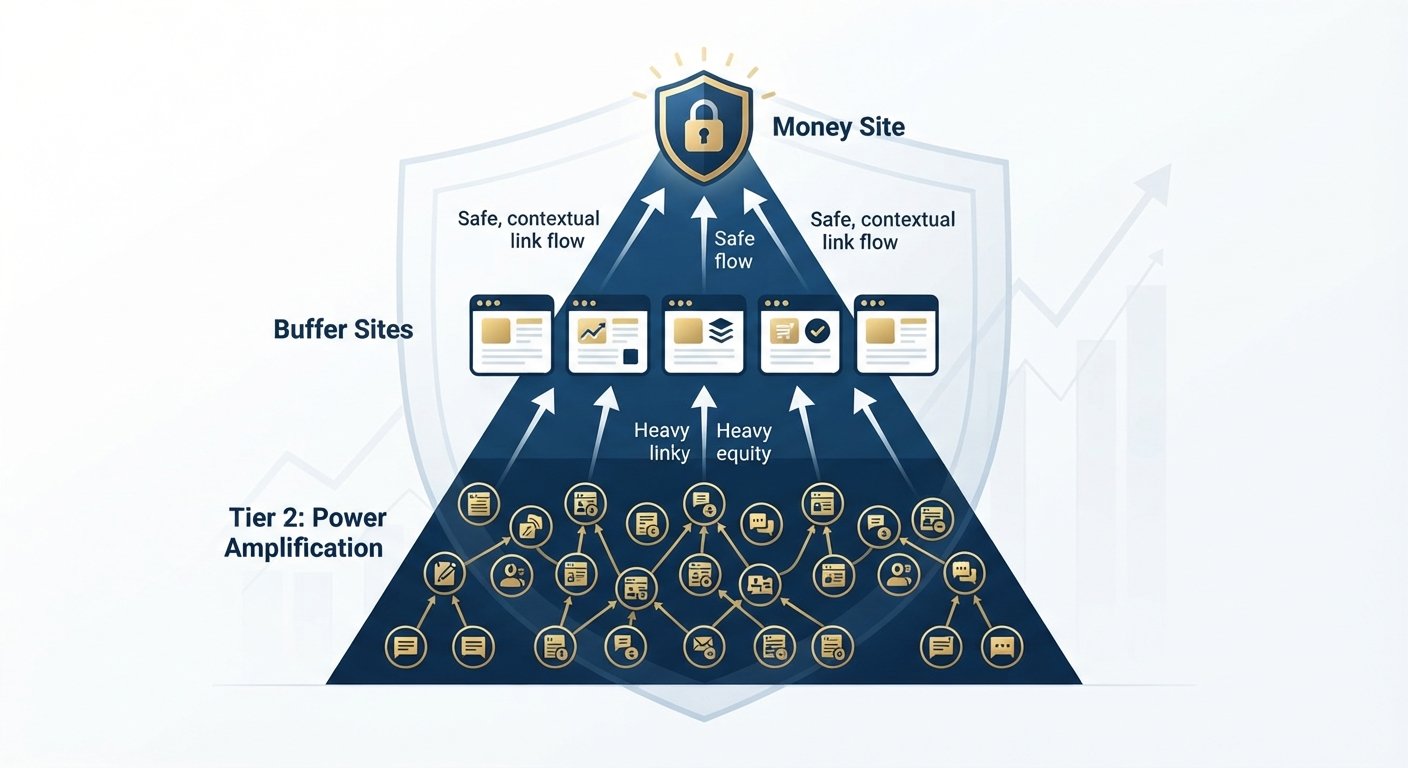
Tiered link building was designed to solve this exact problem by acting as a protective shield and a power amplifier. But here is where most providers drop the ball:
-
Dead Tier 1 Properties: They set up Web 2.0 properties on free platforms with generic, scraped text and zero customization. Google spots the footprints instantly, de-indexes the page, and your link vanishes into the void.
-
Zero Indexation Tracking: If your Tier 2 links never get crawled or indexed by search engines, they pass zero link juice up to Tier 1. The whole pyramid collapses under its own weight.
-
No Contextual Relevance: Dropping a random link on an unrelated page without topical alignment looks unnatural to modern search engine filters.
If you want a tiered campaign to move the needle, every layer must mimic a natural, organic ecosystem.
The Anatomy of a High-Performance Link Pyramid
To rank in competitive search engine results pages (SERPs), your multi-tier architecture needs to be meticulously structured. Here is how we build them in the trenches:
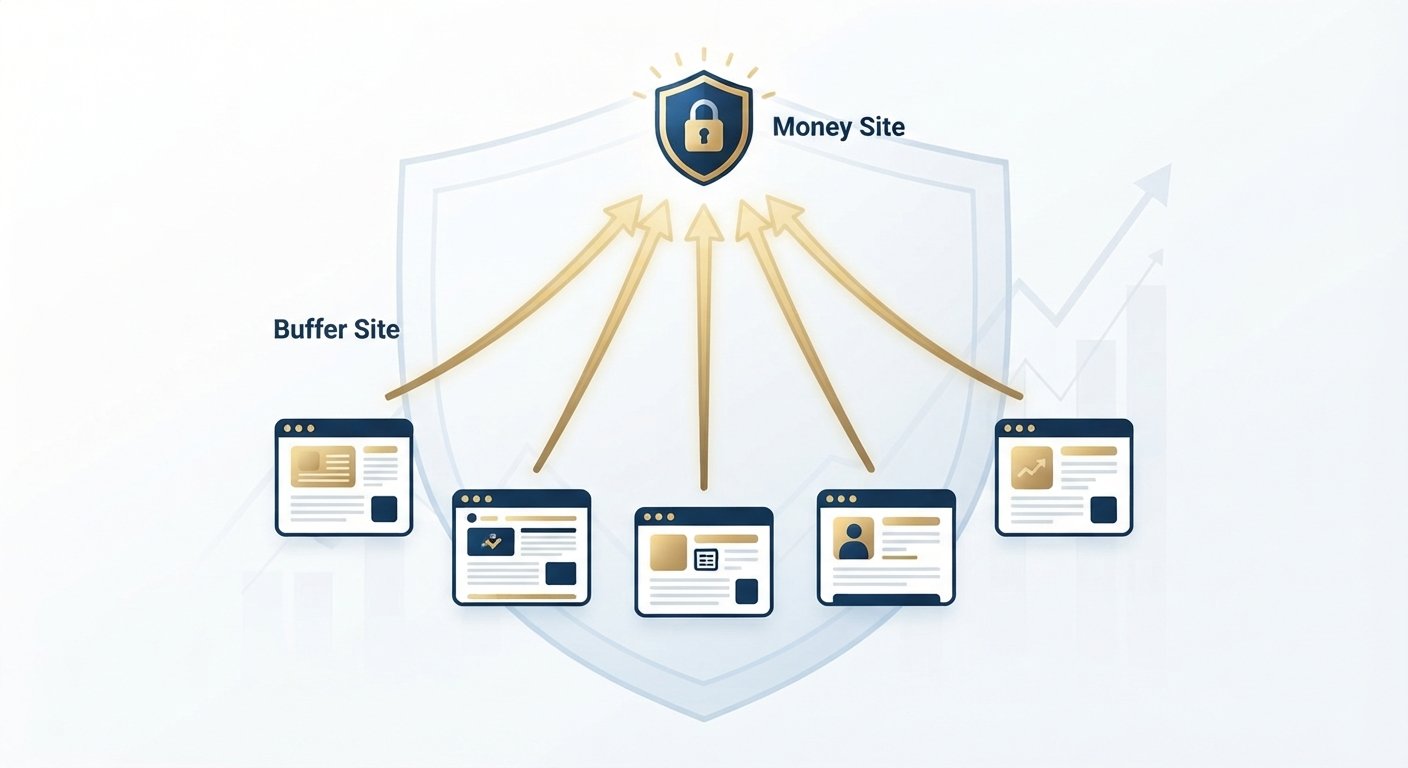
Tier 1: High-Authority Buffer Properties
Your Tier 1 consists of aged Web 2.0 properties, high-authority profiles, and premium contextual placements. These assets must look like real, standalone websites. They need unique content, clean formatting, and proper outbound links to authoritative resources (like Wikipedia or industry journals) alongside your target link.
If you want to understand how we set up these foundational layers properly from scratch, check out this guide on free backlinks and how to leverage platform authority safely. For a deeper look into historical structures, you can also review how the classic web 2.0 link wheel has evolved to survive modern algorithm updates.
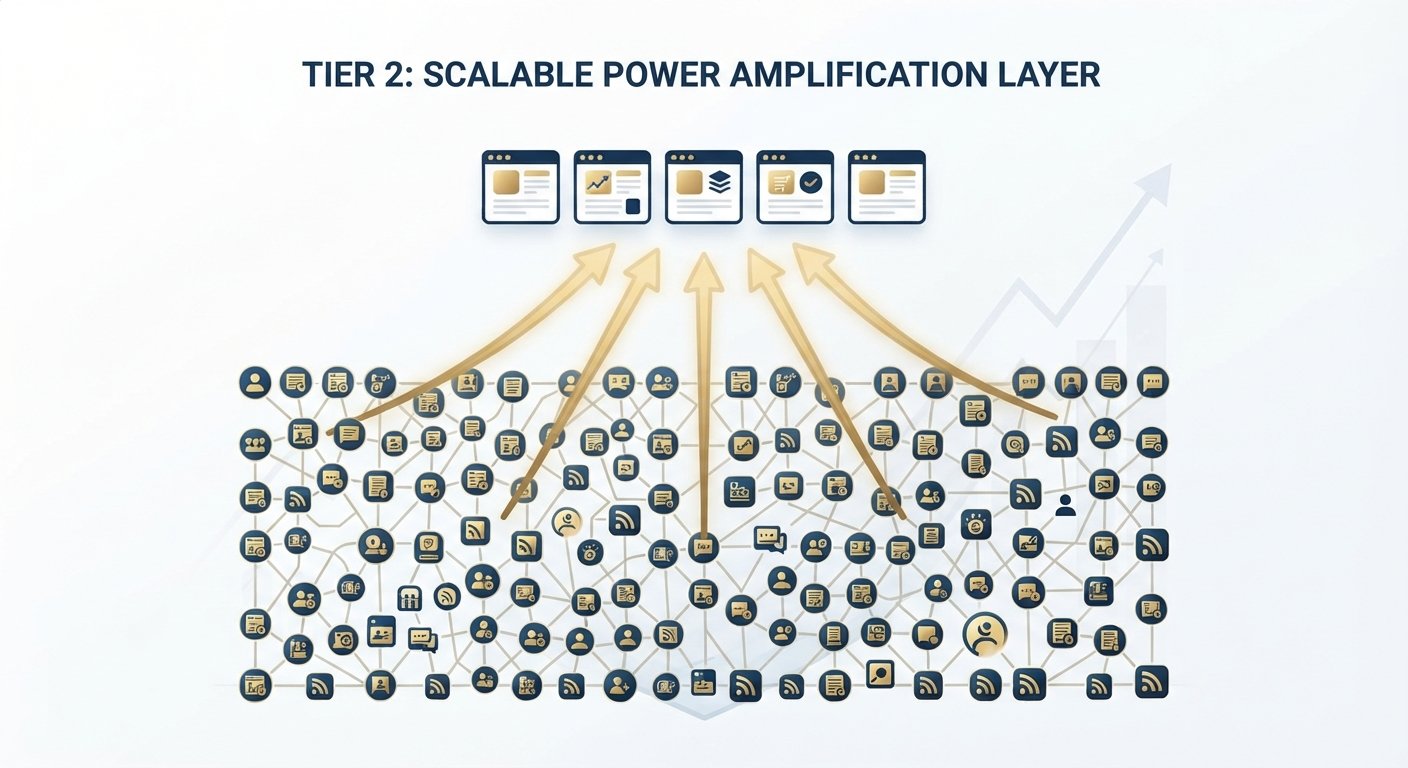
Tier 2 and Beyond: Power Amplification
Once Tier 1 is live and indexed, we point a robust network of secondary links directly at the Tier 1 URLs—never at your money site. This second tier forces search engine bots to crawl your buffer properties more frequently, passing immense link equity up the chain while keeping your primary domain completely insulated from risk.
Tiered Links vs. Direct Placements: What Moves the Needle Faster?
Clients often ask me whether they should invest in a tiered campaign or go straight for direct, high-powered placements like buy niche edits and buy guest posts.
The truth is, it depends on your current site authority and keyword difficulty:
-
Niche Edits & Guest Posts act as direct power injections. They sit on aged, real-world sites with existing organic traffic. They are phenomenal for pushing competitive commercial keywords straight to page one.
-
Tiered Link Building acts as the scalable backbone. It allows you to build massive contextual depth and authority around secondary pages, category structures, or stubborn keywords without risking your money site’s core link profile.
Smart SEO isn’t about choosing just one method—it’s about combining them into a cohesive, safe link velocity framework.
What to Look for When Choosing a Link Building Service
If you aren’t building these pyramids yourself and plan to hire an agency, you need to demand absolute transparency. Look for providers who offer:
-
Detailed Reporting: You should know exactly which URLs are being targeted on Tier 1 and how they are supported on Tier 2.
-
Content Quality Control: Never buy from services that use obvious, spun robotic text on your Tier 1 properties. The content must read naturally.
-
Indexation Verification: A link that isn’t indexed by Google is essentially digital window dressing. Insist on services that verify indexation status.
Final Thoughts: Skip the Trial and Error
Ranking at the top of Google requires hands-on testing, disciplined execution, and zero tolerance for lazy shortcuts. Tiered link building remains one of the most effective ways to dominate competitive search terms—provided it is done with precision and real-world experience.
If you want to skip the trial-and-error phase and put a proven, safe link architecture to work for your website, check out our professional packages at Rankers Paradise today. Let’s get your site where it belongs: at the very top of the SERPs.