
If you have been following my work here at Rankers Paradise, you know I don’t care for theory. I don’t care about what SEO gurus are saying on Twitter about the “future of search.” I care about what moves the needle, what keeps my clients at the top of the SERPs, and what doesn’t get a site nuked by the next core update.
Right now, everyone is scrambling to figure out AI Overviews and how to optimize for search agents. That’s fine. But while they are busy playing with prompts, I am still betting on the one thing that has never failed me: contextual authority.
Specifically, I’m talking about niche edits.
Most people get this wrong. They think buying niche edits is just about shooting an email to a webmaster and hoping they reply. It’s not. If you are doing that, you are wasting your time. Here is the reality of how to buy niche edits the right way, without the fluff and without the risk.
What Are Niche Edits and Why Do They Still Work?
A niche edit—or a curated link—is simply an existing, indexed, and aged blog post that already has authority, where you insert your link into the content.
Why is this superior to a new guest post?
-
Instant Authority: You are piggybacking on a page that Google already trusts.
-
Existing Traffic: If the page has traffic, your link gets real eyes on it immediately.
-
No Waiting Game: You don’t have to wait for a new page to get crawled, indexed, and gain authority from scratch.
When you buy backlinks, you need to be looking for assets that have this pre-existing trust. A niche edit on an aged, relevant site is worth ten guest posts on a brand-new, low-authority domain.
The “No-Fluff” Vetting Process
I’ve been doing this for over a decade, and I’ve seen enough penalties to know exactly where the line is drawn. If you are going to buy niche edits, you need to audit the target.
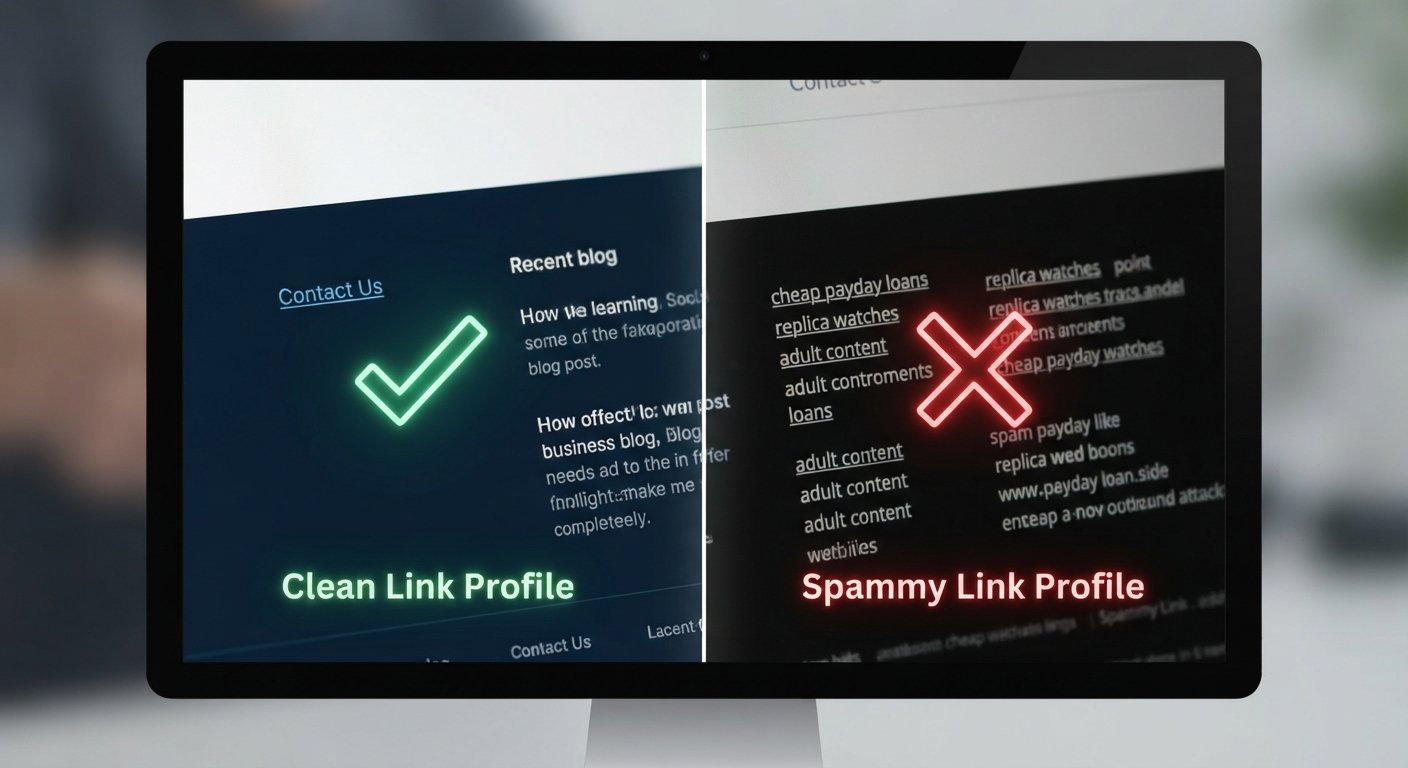
Before you spend a single dollar, run a backlink audit on the target site. If the site has a history of spammy anchor text or if it’s clearly a churn-and-burn PBN, walk away. I don’t care how cheap it is. Cheap links are expensive in the long run.
Look for these three things:
-
Organic Traffic Trends: Use Ahrefs or Semrush. Is the site growing, flat, or dying? If the traffic is tanking, the site is losing trust.
-
Relevant Content: If you are in the iGaming SEO space, don’t buy a link on a site about baking cakes. Relevance is the foundation of authority.
-
Clean Link Profile: A healthy site should have a mix of branded anchors and natural, descriptive anchors. If it’s all “buy cheap SEO,” run.

Why You Need a Tiered Approach
I’ve said it before, and I’ll say it again: a single link is rarely enough to move the needle on competitive keywords. While a high-authority niche edit is powerful, it is your Tier 1.
You need to support that with web 2.0 backlinks at the second and third levels to pass power upward. This creates a pyramid structure that protects your main site and pushes your primary keywords to the top of Google.
How to Buy Niche Edits (The Safe Way)
If you aren’t doing the outreach yourself, you are relying on an agency. If that’s the case, you need to be aggressive with your vetting.
-
Ask for samples. Real, live samples of sites they have placed links on.
-
Check the indexing. Are the pages actually in Google? If they aren’t, the link is useless.
-
Check the age. Don’t pay for a niche edit on a page that was published yesterday.
At Rankers Paradise, we’ve spent years refining our link-building infrastructure because I got tired of dealing with agencies that promised the world and delivered nothing. We focus on aged assets that pass real link equity.
If you’re serious about ranking, stop chasing the shiny new object. Get back to the fundamentals of contextual link building. That is how you win in 2026 and beyond.