
Web 2.0 backlinks have been part of SEO conversations for years. Some marketers use them to support new content, strengthen topical relevance, and create extra pathways for search engines to discover important pages. Others avoid them because they have seen low-quality Web 2.0 link building turn into spam.
The truth sits somewhere in the middle. Web 2.0 backlinks can be useful when they are created with care, relevance, and quality in mind. They become risky when they are mass-produced, stuffed with keywords, or built only for search engines rather than real readers.
This beginner-friendly guide explains what Web 2.0 backlinks are, how they work, what makes them safer, and how to use them as part of a more balanced link building strategy.
What Are Web 2.0 Backlinks?
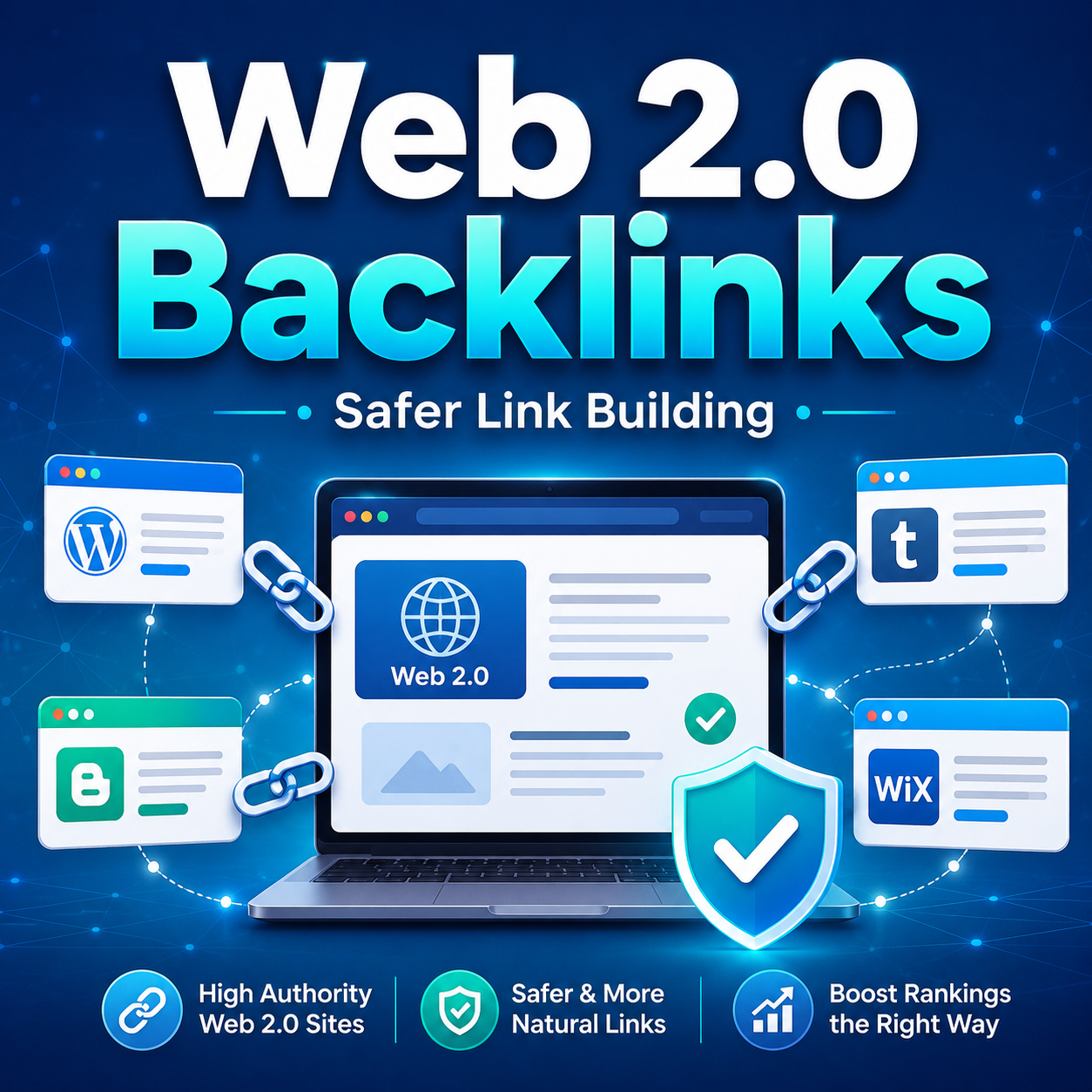
Web 2.0 backlinks are links created on user-generated publishing platforms. These platforms allow people to create their own pages, blogs, profiles, or mini-websites and publish content without owning a standalone website.
Common examples of Web 2.0-style platforms include blogging sites, content-sharing communities, social publishing platforms, and profile-based websites. The key feature is that users can create and publish their own content, often with the ability to include links.
A Web 2.0 backlink is created when one of these published pages links back to your website. For example, someone might write a short article on a Web 2.0 platform about digital marketing and include a link to a deeper guide on their main site.
Why Do People Use Web 2.0 Backlinks?
People use Web 2.0 backlinks because they are relatively easy to create and can help support a broader SEO campaign. Unlike editorial backlinks from third-party websites, Web 2.0 links are often more accessible because the user controls the published content.
When used properly, they may help with:
- Creating additional branded properties online
- Supporting important pages with relevant contextual links
- Helping new content get discovered
- Building topical signals around a specific subject
- Diversifying a backlink profile
However, Web 2.0 backlinks should not be treated as a shortcut to rankings. They work best when they support an existing SEO strategy that also includes high-quality content, technical SEO, internal linking, digital PR, and genuine authority building.
Are Web 2.0 Backlinks Safe?
Web 2.0 backlinks can be safer when they are built naturally and responsibly. The risk comes from how they are used.
A single high-quality Web 2.0 page with original content, a sensible link, and a real purpose is very different from hundreds of thin pages created only to manipulate search results. Search engines are much better than they used to be at spotting patterns that look artificial.
Safer Web 2.0 link building usually means:
- Publishing original, useful content
- Avoiding duplicate or spun articles
- Linking only where it makes sense
- Using varied and natural anchor text
- Building links gradually
- Choosing relevant platforms
- Avoiding mass automation
- Not relying on Web 2.0 links as your only backlink strategy
The goal is to make each Web 2.0 property look and feel like a legitimate piece of content, not a throwaway page built only for a backlink.
What Makes a Good Web 2.0 Backlink?
A good Web 2.0 backlink usually appears inside a useful piece of content that has a clear topic and a natural reason to link to your site.
For example, if your website has a detailed guide about Web 2.0 SEO, a short supporting article about beginner link building could naturally point readers toward that deeper resource. The link should help the reader find more information, not interrupt the article just to pass SEO value.
A good Web 2.0 backlink should be:
- Relevant: The content should relate to the page being linked to.
- Contextual: The link should appear within meaningful content, not in a random list of links.
- Natural: The anchor text should fit smoothly into the sentence.
- Useful: The linked page should genuinely expand on the topic.
- Moderate: The page should not be overloaded with outbound links.
- Original: The content should not be copied from your website or generated in bulk with no editing.
Quality matters more than quantity. A few strong, well-written Web 2.0 pages are usually better than dozens of weak ones.
Common Mistakes Beginners Make
Many beginners make the mistake of thinking Web 2.0 backlinks are only about volume. They create lots of thin pages, use the same keyword-rich anchor text again and again, and publish content that provides little value.
This can create an unnatural footprint.
One common mistake is using exact-match anchor text too often. If every backlink uses the same keyword, it can look forced. A natural backlink profile usually includes a mix of branded anchors, partial-match phrases, naked URLs, generic anchors, and occasional keyword-focused anchors.
Another mistake is publishing low-quality content. A Web 2.0 article does not need to be a 3,000-word masterpiece, but it should still be readable, relevant, and helpful. Thin content with awkward sentences and obvious keyword stuffing can weaken the value of the link.
Beginners also sometimes create accounts on platforms and abandon them immediately after publishing one link. A more natural approach is to treat the Web 2.0 page as a small content asset. Add a proper title, write a useful post, include basic formatting, and make it look complete.
How to Use Web 2.0 Backlinks More Safely
The safest way to approach Web 2.0 backlinks is to think like a publisher, not a link builder. Instead of asking, “How many links can I create?” ask, “What useful supporting content can I publish?”
Start by choosing a topic related to your main page. If your pillar content is about Web 2.0 backlinks, your supporting article might cover beginner mistakes, safe anchor text use, content quality, or how Web 2.0 platforms fit into a wider SEO strategy.
Then, write an original article that stands on its own. It should offer useful information even if the reader never clicks the link. The backlink should appear naturally where the reader may want more depth.
For a deeper breakdown of the process, read this guide on building Web 2.0 backlinks.
After publishing, avoid blasting the same article across multiple platforms. Each Web 2.0 post should be unique. You can cover similar themes, but the wording, structure, examples, and angle should be different.
How Many Web 2.0 Backlinks Do You Need?
There is no perfect number of Web 2.0 backlinks. The right amount depends on your website, niche, competition, content quality, and overall backlink profile.
For beginners, it is better to start small. Build a few carefully written Web 2.0 properties and focus on quality. Monitor how they fit into your broader SEO work. Do not build hundreds of links quickly just because they are easy to create.
Web 2.0 backlinks should be a supporting layer, not the foundation of your SEO strategy. Your main focus should still be publishing strong content on your own site and earning links from relevant external websites.
Do Web 2.0 Backlinks Still Work?
Web 2.0 backlinks can still have a role in SEO, but they are not as powerful as high-quality editorial links from trusted websites. Their value depends heavily on quality, relevance, and how naturally they are used.
A thoughtful Web 2.0 link can help support a page, especially when combined with other SEO efforts. But a low-quality Web 2.0 link from thin, spammy content is unlikely to provide much benefit and may even create risk if done at scale.
The best mindset is to see Web 2.0 backlinks as part of a diversified link building plan. They can help create supporting signals, but they should not replace stronger methods such as guest posting, niche edits, digital PR, resource page outreach, content marketing, and relationship-based link earning.
Final Thoughts
Web 2.0 backlinks are simple to understand but easy to misuse. Beginners often get into trouble when they chase quantity instead of quality. Safer link building requires patience, relevance, and natural content.
If you use Web 2.0 platforms, treat each page as a real content asset. Write something helpful, link only where it makes sense, and avoid aggressive anchor text patterns. A smaller number of useful Web 2.0 backlinks can support your SEO far better than a large number of weak, spammy pages.
In the end, Web 2.0 backlinks should help readers discover useful information. When they are built with that goal in mind, they can become a safer and more natural part of your overall link building strategy.
Keep reading…
What Are Web 2.0 Backlinks and Why Do They Still Matter for SEO?
How to Build Powerful Web 2.0 Backlinks Without Getting Penalized
Find Expired Web 2.0 (Including Tumblr) Free Without Software