
If you’ve been in the affiliate marketing game long enough, you know the drill: you find a promising niche, you get the content up, and then you hit a brick wall. You’re stuck on page two. You know you need backlinks, but you’ve heard the horror stories about footprints, de-indexed platforms, and manual penalties.
Most of the “SEO gurus” out there will tell you to avoid Web 2.0s like the plague. They’ll tell you to stick to guest posts or expensive PR. But here is the reality from my desk at Rankers Paradise: they’re only dangerous if you’re lazy.
I’ve been testing link building strategies for over a decade. I’ve seen the industry go from simple link wheels in 2016 to the complex, entity-driven signals we leverage today. Web 2.0s aren’t dead; they are just misunderstood. For affiliate sites, they are the most cost-effective way to move the needle—provided you know how to build them so Google sees them as assets, not spam.
The “Affiliate Footprint” Problem
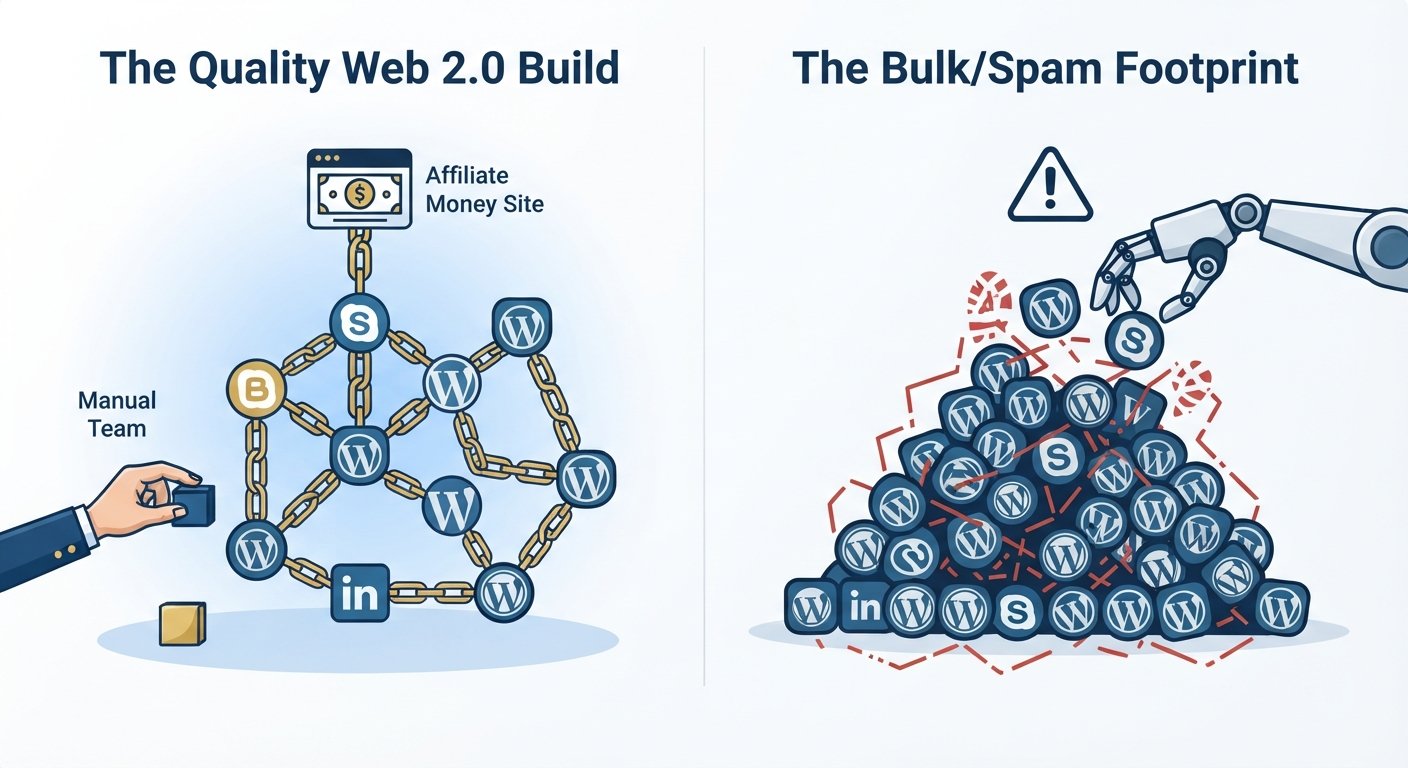
The biggest mistake affiliate site owners make is mass-producing Web 2.0s that look identical. If you’re building 50 properties and they all have the same content structure, the same anchor text, and the same lack of internal linking, Google’s AI is going to flag that footprint in a heartbeat.
When you buy backlinks, you need to ensure they aren’t just sitting there. An affiliate site is usually niche-specific. Your links need to reflect that. You aren’t building a “link wheel”; you are building a thematic support structure that convinces Google your site is the authority in your chosen niche.
My Testing Methodology: Quality Over Quantity
I don’t care about theory. I care about what keeps my clients at the top of the SERPs. When I build web 2.0 backlinks for an affiliate project, I follow a strict set of rules that I’ve refined through years of trial and error:
-
Platform Diversity: Don’t just stick to the big three. Mix it up.
-
Unique Content: If you’re using AI to spin content for your Web 2.0s, stop. Google knows. You need human-readable content that provides actual value to a potential visitor.
-
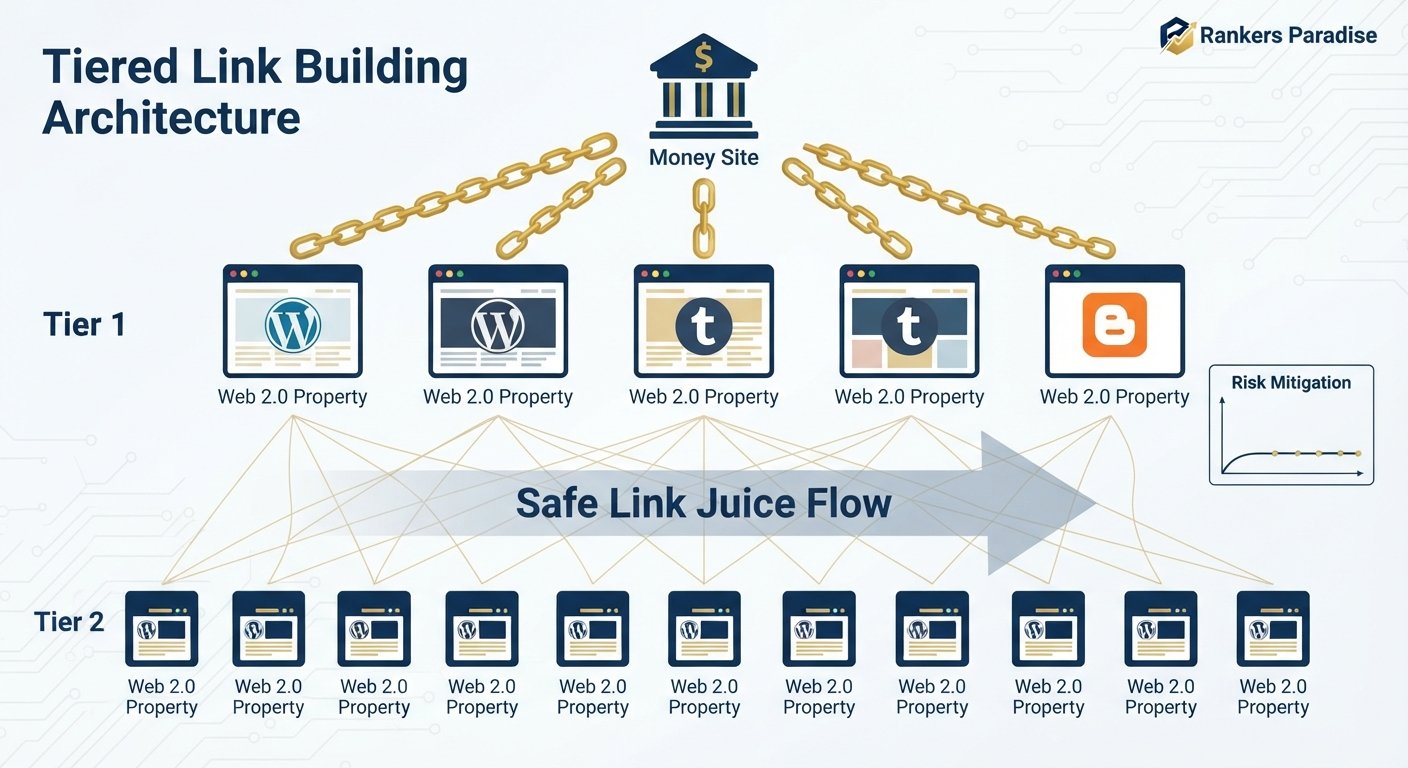
Tiered Architecture: This is my “secret sauce.” I never point all my Web 2.0s directly to a money site. I use a tiered approach to pass authority safely.
-
Indexation Check: A link that doesn’t get indexed is a waste of time. Before you scale, you need a process to ensure your properties are actually being crawled.
Why Affiliate Sites Need a Different Approach
I recently finished an iGaming SEO project that perfectly illustrates this. In high-competition niches, you cannot just fire and forget. You need to monitor your profile constantly. If your site isn’t moving, the first thing I do is a backlink audit. More often than not, the issue isn’t that you lack links—it’s that you have toxic links dragging you down.
For affiliate sites, specifically, your Web 2.0s should act as “brand mentions” that feed into your money site. They shouldn’t just be silos of keywords. They should be hubs of information that relate back to your main domain.
The Strategy for 2026 and Beyond
The era of “easy” SEO is gone. Today, it’s about entities and relevance. When I build Web 2.0s for my own shop or for clients, I treat every single property like it’s a standalone site.
-
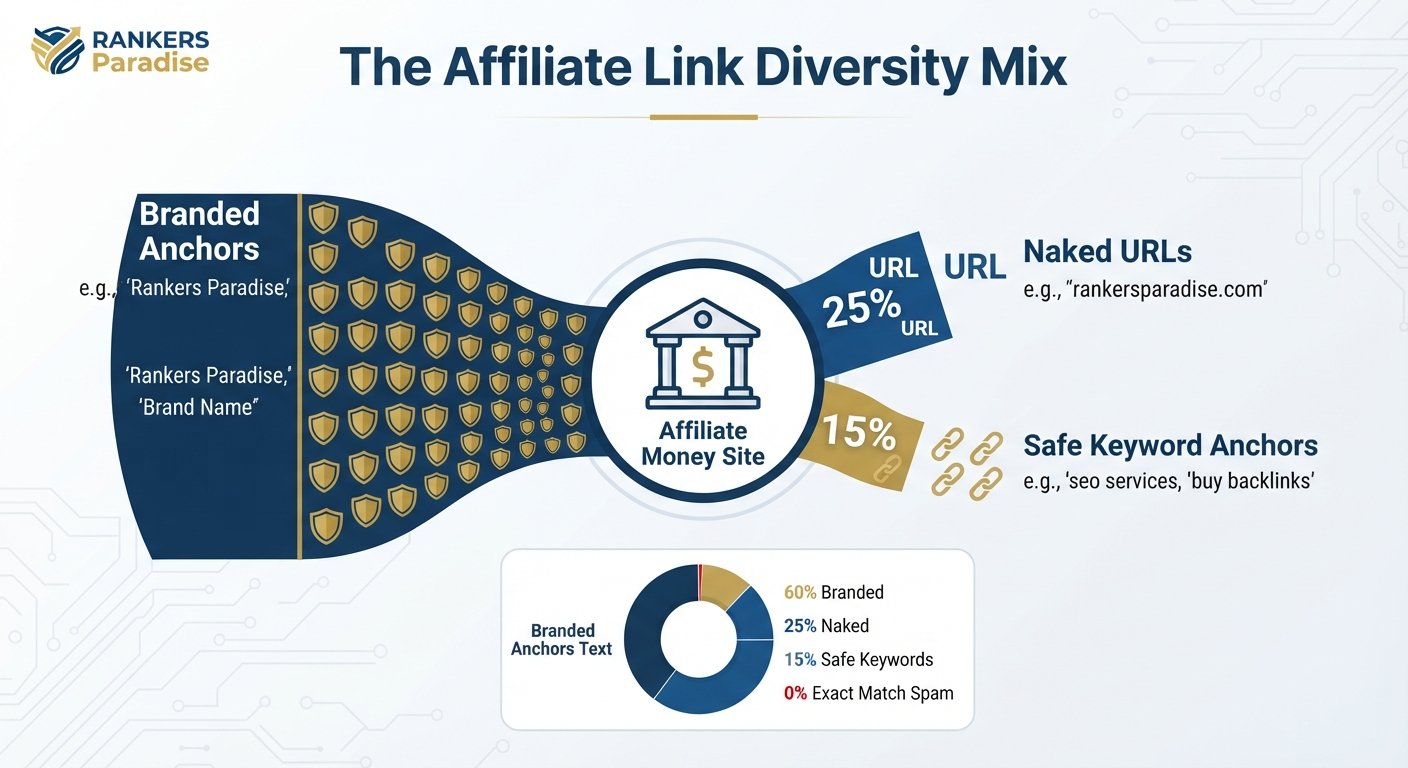
Don’t Spam Anchors: Use natural, branded, and naked URLs.
-
Keep it Relevant: Ensure the content on the Web 2.0 supports the intent of the page you are ranking. If you are ranking an affiliate review page, the Web 2.0 should be a comparison or a “how-to” guide that naturally transitions into your review.
-
Link Velocity: Don’t build 100 links in one day. Spread them out. Google expects a natural growth curve, not a spike.
Stop Guessing and Start Ranking
If you are tired of watching your competitors outrank you while you waste time on outdated, black-hat tactics that only lead to penalties, it’s time to change your approach. You need a strategy that is data-driven and proven to work in the current search environment.
I’ve built my career on being transparent about what works and what doesn’t. If you want to see how I handle link building for my own projects, check out my custom tiered link packages. These are the same methods I use every day to keep my sites in the top spots.
The SEO game hasn’t changed as much as people think—the quality bar has just been raised. Stop building trash and start building authority.
External resources for further reading on safe link building practices: