
Building links directly to your money site with zero protection is a fast track to getting filtered out of the Google SERPs. If you want to rank for competitive commercial terms, you need a safe structural approach. That is where tier 1 backlinks come into play.
In this guide, we are pulling back the curtain on how to build, structure, and protect your primary link assets without triggering algorithmic penalties.
What Are Tier 1 Backlinks?
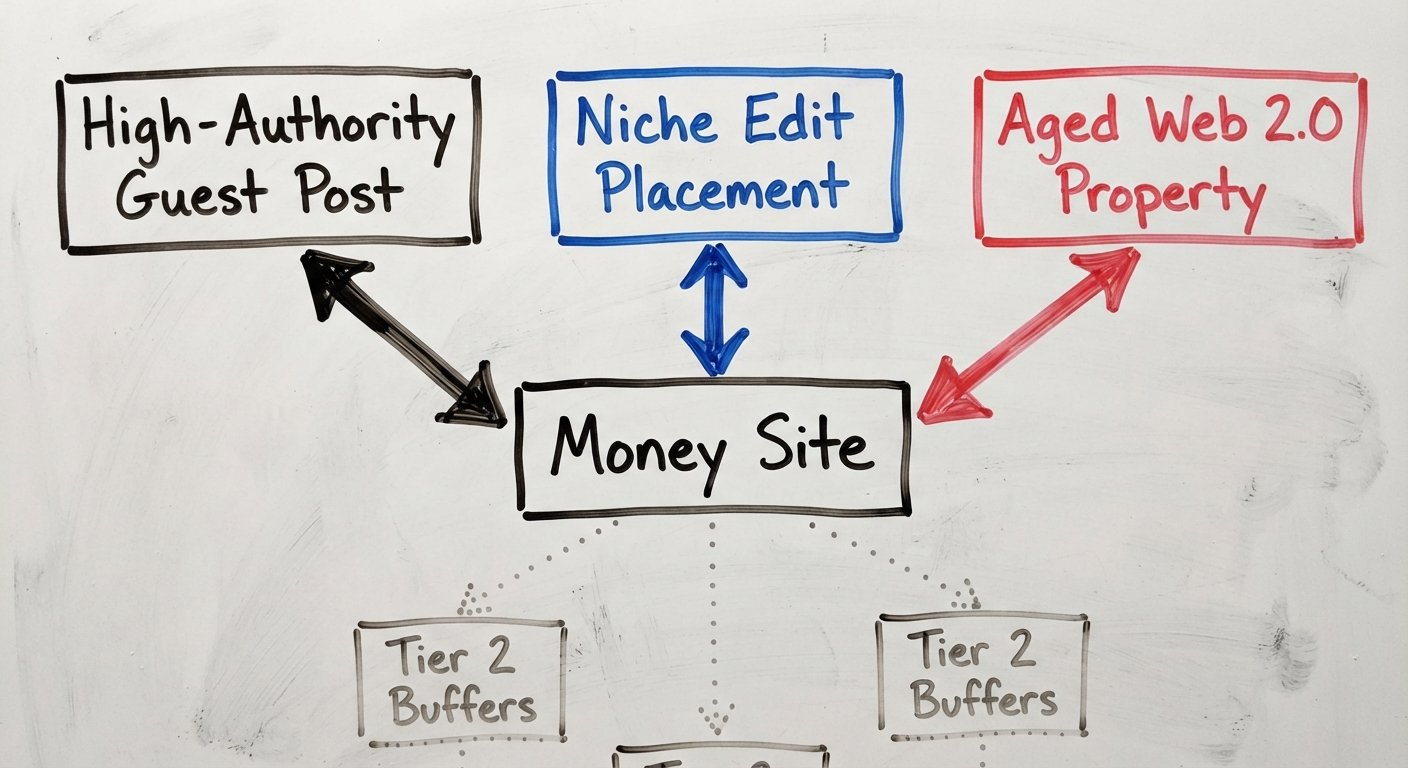
Tier 1 links are the primary layer of external links pointing directly to your money site. Unlike automated or low-tier link blasts, tier 1 assets carry the heavy lifting of passing contextual authority, trust, and topical relevance straight to your pages.
If your tier 1 layer consists of spammy directories, hacked blogs, or thin profile spam, your main site inherits that risk. If your tier 1 layer consists of high-authority, contextually relevant properties, your rankings climb safely.
When executed properly, tier 1 link building bridges the gap between raw off-page power and algorithmic safety.
Why Direct Link Building Alone Can Be Risky
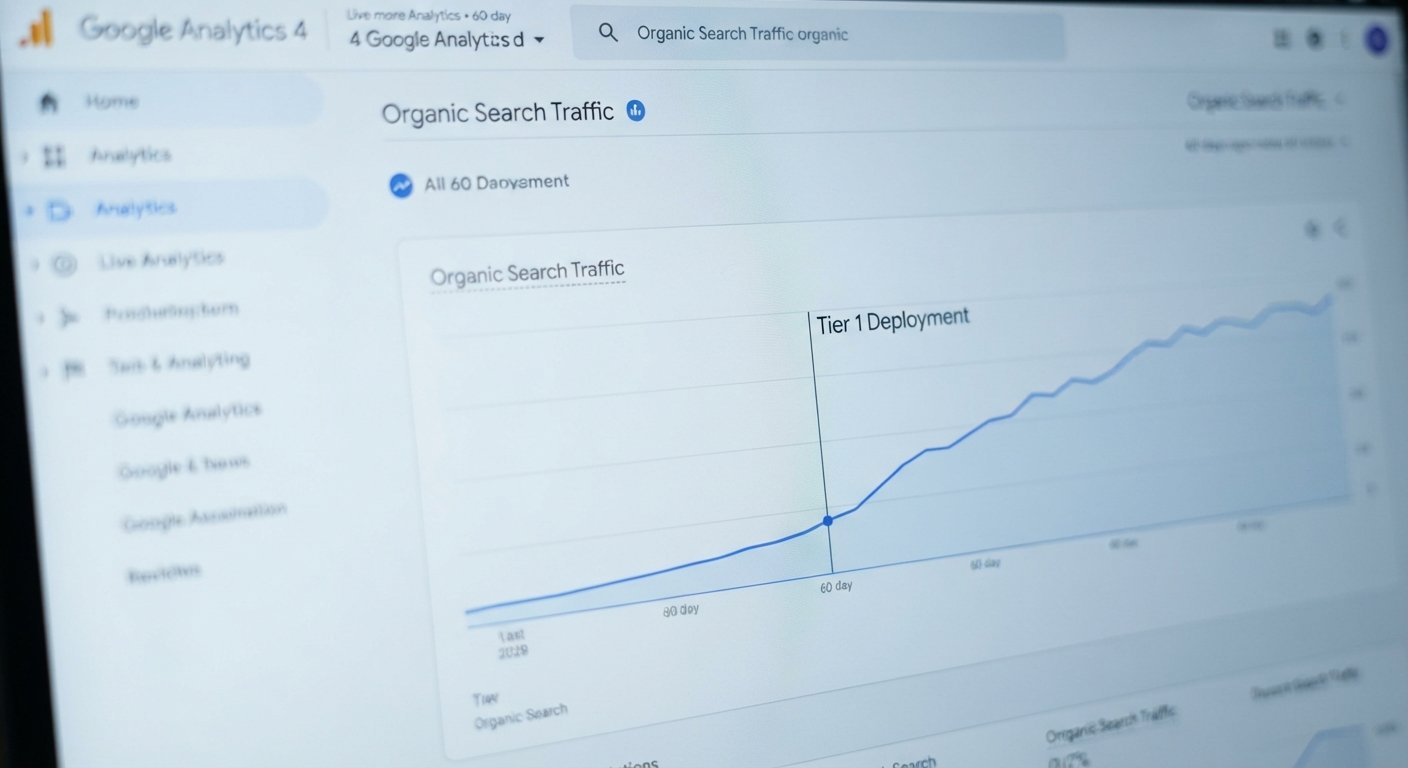
Years of hands-on link testing at Rankers Paradise prove one fundamental truth: Google’s core updates are ruthlessly efficient at spotting unnatural link velocity.
If you point hundreds of raw, unbuffered links straight to a commercial e-commerce page or affiliate money site overnight, you expose yourself to severe algorithmic suppression.
-
The Over-Optimization Trap: Hammering your target URL with 100% exact-match anchor text triggers filters instantly.
-
The Footprint Problem: Leaving obvious patterns across your link acquisition profile signals manipulation to search crawlers.
To mitigate this risk, smart SEO operators rely on multi-tier architectures. To learn more about structuring foundational buffers safely, check out this guide on web 2.0 backlinks.

The 4-Point Framework for Safe Tier 1 Link Building
Before you deploy any link to your money site, it needs to pass a strict quality control filter. This is the exact practical framework used in the trenches:
-
Verifiable Organic Traffic: Never accept a link from a domain that has zero organic visibility in Google. If Google doesn’t rank the host site for anything, that page passes zero real weight.
-
Topical Relevance (Entity Matching): The linking page must belong in your industry ecosystem. A link from an outdoor gear blog pointing to a financial services page looks unnatural and carries diluted semantic value.
-
Controlled Anchor Text Distribution: Keep exact-match anchor text under 10%. Your tier 1 profile should heavily favor brand names, naked URLs, and natural partial matches.
-
Content Depth & Information Gain: Thin 200-word spun articles do not cut it anymore. Tier 1 assets require genuine semantic depth, proper formatting, and readable copy.
If you don’t have the time to manually vet domains, write contextual content, and manage outreach, you can buy backlinks directly from trusted industry professionals who handle the entire process safely.
How to Multi-Tier Your Backlinks for Maximum Power
Building tier 1 links is only half the battle. To maximize their juice without increasing risk to your main domain, you can support them with secondary tier 2 and tier 3 assets.
-
Tier 1 (The Power Layer): High-authority guest posts, editorial placements, and aged Web 2.0 properties pointing directly to your money site.
-
Tier 2 (The Buffer Layer): Web networks, social shares, and community links pointing at your tier 1 assets to pass indexation strength and juice up their authority.
-
Tier 3 (The Indexation Layer): Mass syndication or ping networks designed solely to ensure search crawlers discover and index your tier 2 properties.
By keeping the raw, mass link generation on the outer tiers, your tier 1 assets remain clean, powerful, and safe.
Finding the Balance: Done-for-You vs. Manual Execution
Executing a multi-tier link campaign requires deep technical patience. You have to source relevant platforms, write unique content, manage anchor text ratios, and track indexation metrics across hundreds of URLs.
If you prefer to bypass the setup grind and let experienced specialists handle your off-page architecture, explore our professional options:
Conclusion
Tier 1 backlinks remain the definitive backbone of competitive search engine optimization. When you prioritize topical relevance, organic traffic floors, and disciplined anchor text ratios, you insulate your site against algorithmic volatility while claiming top-tier rankings. Focus on quality over raw volume, protect your assets with smart tiering, and watch your organic visibility climb.