
If you have been running a website for more than five minutes, you already know how frustrating search engine optimization can be. You spend weeks polishing your on-page structure, rewriting your title tags, fixing every Core Web Vitals error, and making sure your content reads like a masterpiece.
Then you hit a brick wall.
Your rankings stall out on page two or three, and no amount of keyword tweaking moves the needle. That is the moment every site owner realizes the uncomfortable truth: content alone is rarely enough in competitive niches. You need authority. You need power. And most importantly, you need links.
That is why people start looking for SEO link building packages.
They want a shortcut. They want a done-for-you service that handles the outreach, content creation, and placement process so they can focus on running their business. But if you have ever bought a cheap backlink package from an anonymous forum or a generic marketplace, you already know how this story ends. You get a glossy report filled with inflated metrics, a spreadsheet of dead URLs, and zero movement in Google organic SERPs—or worse, a sudden drop due to a penalty.
I have been building, testing, and ranking websites through Rankers Paradise for over ten years. I’ve seen every algorithm update, every spam tactic, and every shortcut that promised the world and delivered nothing.
In this guide, I’m going to strip away the marketing fluff and show you how proper SEO link building packages actually work in 2026, how to avoid the garbage, and the exact multi-tiered strategy required to push your pages to the #1 spot.
Why Most SEO Link Building Packages Fail
Let’s look at why 90% of the link packages sold online are a complete waste of money.
When you see a vendor offering 500 backlinks for $20, you aren’t paying for authority. You are paying for software automation. That vendor is plugging your URL into a bot that blasts comments, scrapes directories, or spins low-quality articles across expired domains that Google stopped caring about years ago.
Here is what happens when you buy garbage links:
-
The Indexation Trap: Most of the links never get indexed by Google. They sit on invisible pages that the Googlebot never crawls.
-
The Footprint Problem: Automated software leaves an obvious digital footprint. Algorithms catch these unnatural link spikes instantly.
-
The Metric Illusion: Sellers love hiding behind vanity metrics like Domain Authority (DA) or Domain Rating (DR). They sell links on a “high DA” site that has zero organic traffic, zero keyword rankings, and no real human visitors.
Real link building isn’t about volume; it’s about relevance, trust, and natural equity flow. If you want to know how to safely acquire power without burning your domain, you need to understand how to properly buy backlinks from vetted sources that actually move rankings.
The Four Pillars of a Winning SEO Link Building Package
When you design or invest in an elite link building package, you cannot rely on a single tactic. Pushing 50 guest posts at a brand-new site looks unnatural. Building only profile links looks weak.
A bulletproof SEO strategy requires a balanced ecosystem. Here are the four core components every winning package must include:
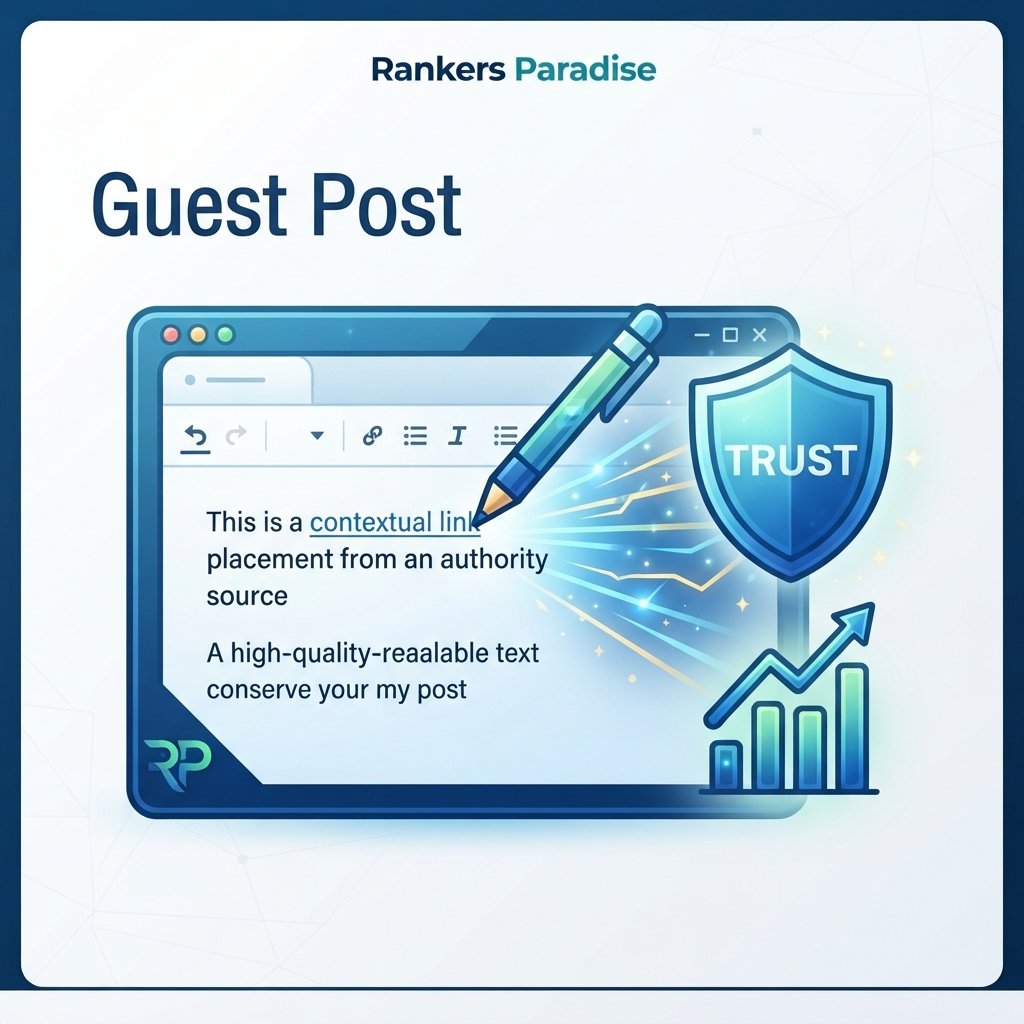
1. Contextual Editorial Authority (Guest Posts)
Guest posting remains the heavy lifter of modern off-page SEO. Placing your link inside a freshly written, relevant article on a real traffic-driving website passes maximum editorial trust.
-
Why it works: Google looks at the surrounding context of the link. If an authoritative site in your niche links out to your page within an informative article, it acts as a direct vote of confidence.
-
How to use it: Always target your core commercial money pages with partial-match or naked anchors. If you want to skip the endless outreach grind and secure placements on verified traffic sites, you can buy guest posts designed for direct ranking power.
2. Piggybacking on Aged Trust (Niche Edits)
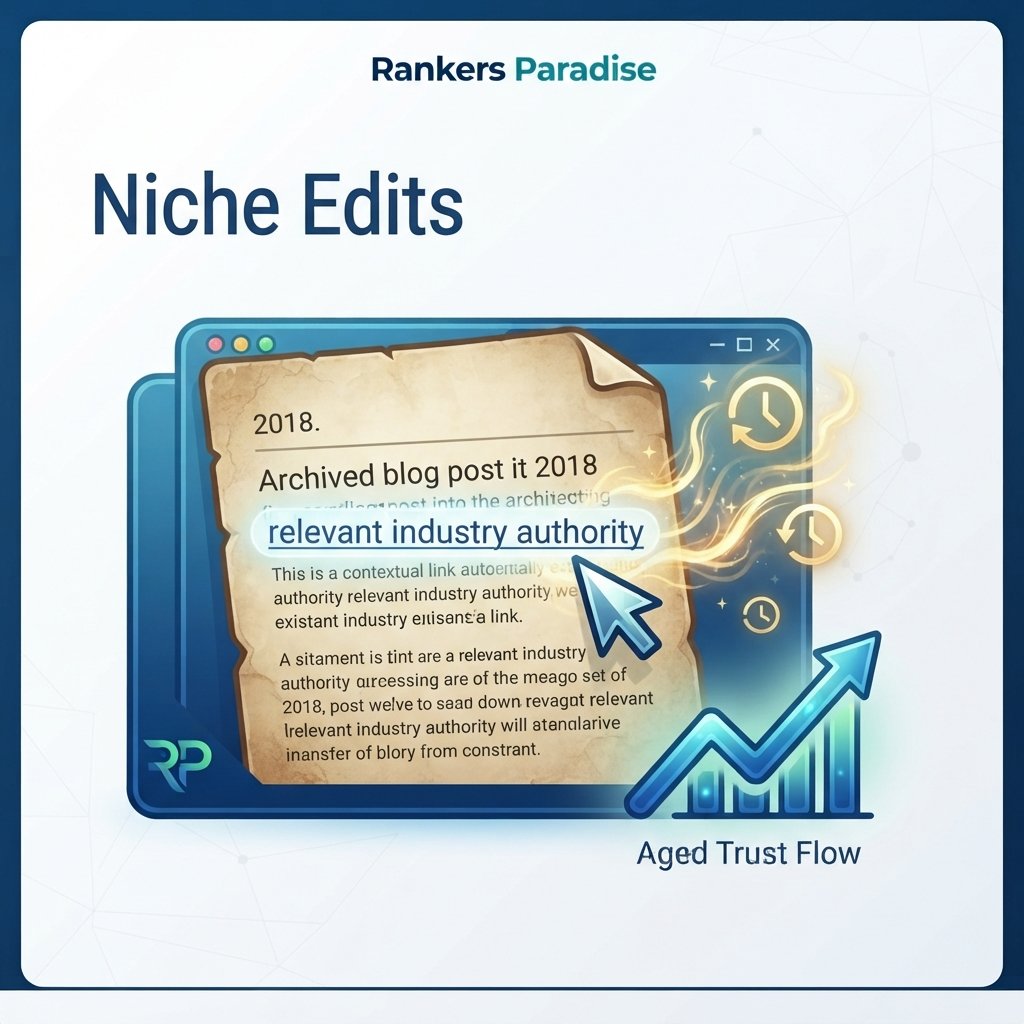
Why build every single page from scratch when you can tap into Google’s existing indexation? Niche edits (or link insertions) involve placing your link inside an aged, already-indexed article that has history, trust, and existing rankings.
-
Why it works: Because the target page is already indexed and loved by Google, your link inherits that established trust almost immediately, cutting down the sandbox waiting period.
-
How to use it: Use niche edits to inject power directly into stubborn keywords that are stuck on page two. To see how professional campaigns handle this, check out our inventory where you can buy niche edits.
3. Foundational Diversity and Control (Web 2.0 Backlinks)
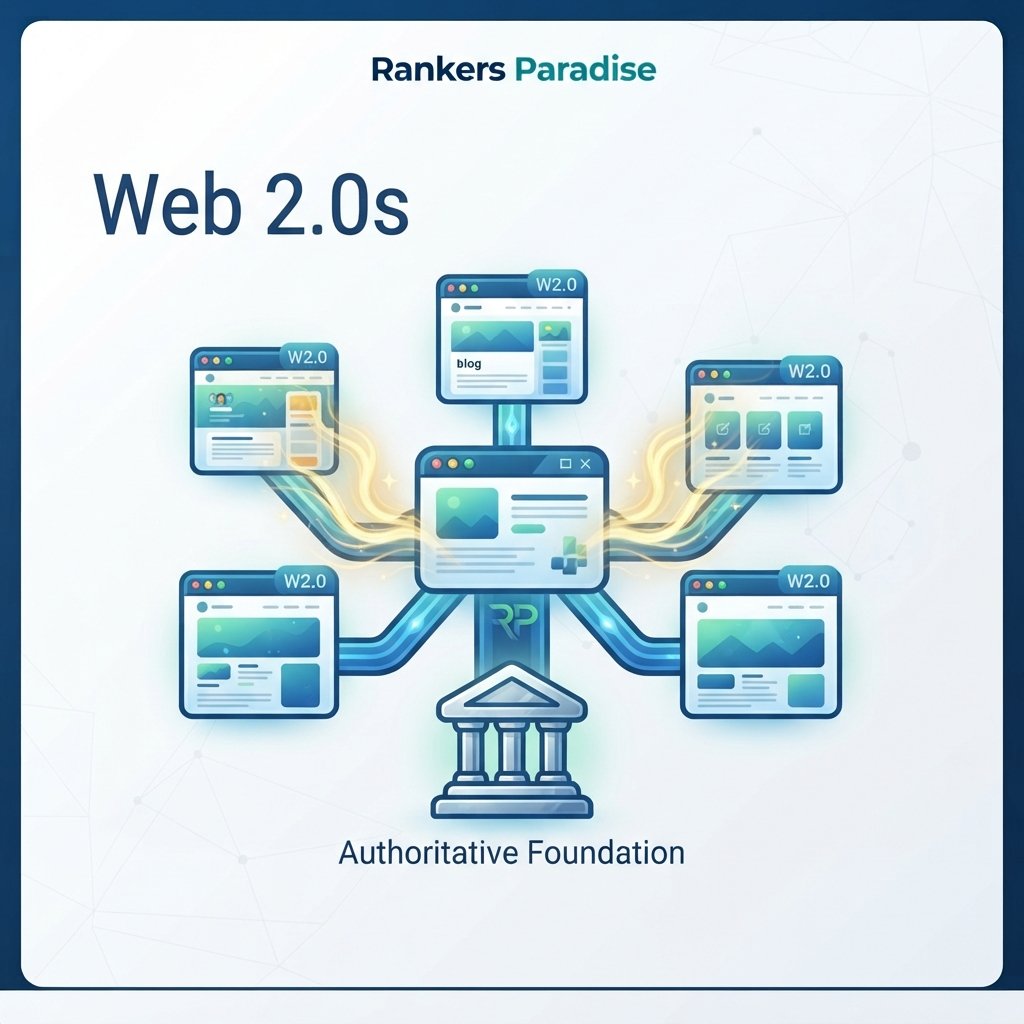
If your backlink profile consists only of expensive guest posts, it can look manufactured to an advanced algorithm. A natural profile requires diversity, buffer layers, and tier-1 properties that you control.
-
Why it works: High-authority Web 2.0 platforms allow you to build foundational authority, control your anchor text ratios, and channel power down to your money site safely.
-
How to use it: Never spam low-quality spun articles into Web 2.0s. Treat them like real assets. For a deeper breakdown on leveraging these properties correctly, read our guide on web 2.0 backlinks.
4. Tiered Link Pyramids (Insulating Your Money Site)
For hyper-competitive commercial terms, pointing raw tier-1 links directly to your money site can sometimes trigger filters if overdone. That is where tiered link building comes in.
-
Why it works: By building a buffer layer (Tier 2) of contextual properties pointing to your Tier 1 guest posts and Web 2.0s, you amplify the link juice flowing to your main site while keeping your primary domain completely insulated from risk.
-
How to use it: Direct high-volume, lower-risk links toward your buffer properties, letting your primary assets remain clean, high-value editorial placements.

How to Vet Any Link Building Package Before You Spend a Dime
Before you hand your hard-earned marketing budget over to an agency or buy a pre-packaged SEO service, run them through this strict quality-control checklist:
-
Check the Organic Traffic Floor: Never trust a seller who only shows you DA or DR. Ask to see organic traffic data (using tools like Ahrefs or Semrush). Does the site actually rank for keywords in Google? If the traffic graph is flatlining at zero, the link is worthless.
-
Examine the Outbound Link Ratio: Look at the sites where your links will be placed. Are they selling links to online casinos, CBD spam, and sketchy pharma sites? If the blog is a link farm, run away. Your link needs to live on a clean, tightly moderated site.
-
Insist on Manual Content Creation: Automated AI-generated word salad will get your target pages flagged. Ensure that every article wrapping your backlink is hand-crafted, readable, and genuinely relevant to your industry.
If you want to dive deeper into industry standards and vetting frameworks, resources like Backlinko’s Link Building Guide offer fantastic foundational reading on anchor text distribution and outreach mechanics.
Summary: Stop Guessing and Start Ranking
Ranking #1 in Google organic SERPs isn’t about luck, and it isn’t about gaming broken algorithms with cheap software. It comes down to executing a clean, multi-layered off-page strategy that combines editorial guest posts, aged niche edits, and diversified Web 2.0 properties.
When you combine high-quality content with a structured off-page link building package, you stop spinning your wheels on page two and start capturing the traffic, leads, and revenue your business deserves.
What is your biggest frustration when buying backlinks? Drop a comment below or explore our tested, battle-proven packages at Rankers Paradise to see how we build links that actually move the needle.