
If you’re tired of wasting time buying isolated links that barely move the needle, you’re in the right place.
I’ve been in the SEO trenches testing link strategies since 2016. Back then, you could throw a few low-quality links at a site and watch it climb to the top of Google. Fast forward to today, and the algorithm is a completely different beast. Random, disconnected link building doesn’t work anymore. Google wants to see a natural, diversified link profile that grows organically over time.
That’s exactly why smart site owners and agency heads use seo link building bundles.
Instead of piecing together random links every month, a well-structured bundle gives your site a complete ecosystem of power—combining contextual power, foundational trust, and authority all at once.
Below, I’m breaking down how these packages work, why they outrank standalone links, and how to use them to lock down top organic positions without getting hit by algorithm updates.
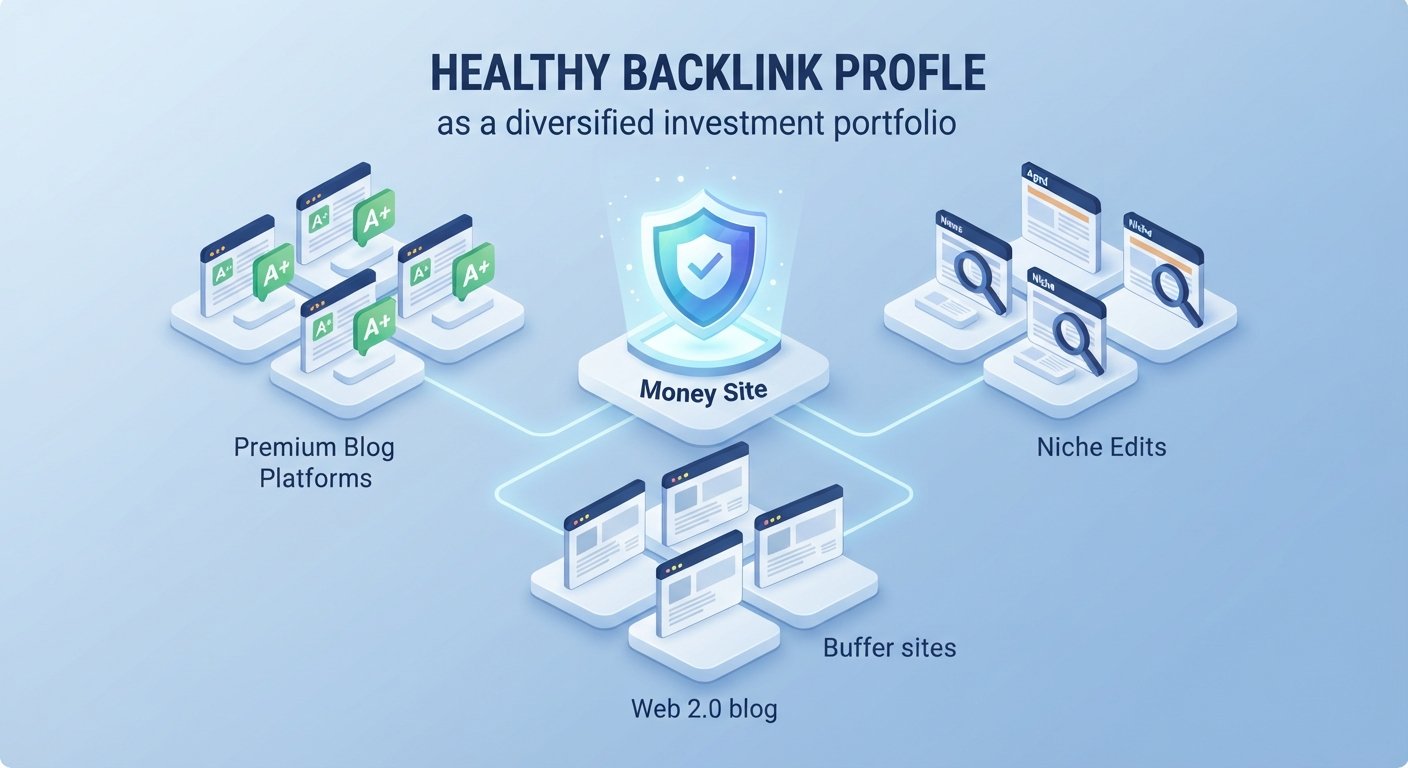
What Are SEO Link Building Bundles?
An SEO link building bundle is a curated package of diverse backlinks designed to work together synergistically.
Instead of ordering just guest posts or just directory links, a true power bundle combines multiple link types into a single, cohesive campaign. A high-performing bundle usually includes a mix of:
-
Contextual Guest Posts: Editorial links placed on real, traffic-driving blogs within your niche.
-
Niche Edits (PBN or Real Outreach): Links inserted into older, aged content that is already indexed and ranking.
-
Web 2.0 Properties: Buffer blogs and foundational properties to pass relevant authority and build a natural tier structure.
-
Local Citations & Social Signals: Essential trust indicators that round out a healthy, organic profile.
When executed correctly, these bundles mimic the natural acquisition of links that a high-authority brand receives organically.

Why Individual Links Fail (And Why Bundles Win)
If you build only one type of link—say, exclusively guest posts—your link velocity and anchor text profile look unnatural to search engines.
Google’s algorithms analyze your backlink profile for diversity. If every single backlink you have comes from a brand-new blog post with exact-match anchor text, alarm bells go off.
SEO link building bundles solve this problem by distributing your link equity across different tiers and placement types.
The Power of Diversity
-
Context matters. A link embedded inside an aged article carries vastly more weight than a footer or sidebar link.
-
Relevance keeps you safe. Links from sites within your specific niche pass topical authority.
-
Velocity looks natural. Spreading link acquisition out across tiers prevents unnatural spikes that trigger manual reviews.
If you want to understand the deeper mechanics of how to safely acquire authority without risking penalties, check out my complete guide on how to buy backlinks.
Core Components of a High-Performing Link Bundle
Not all link bundles are created equal. If you buy a cheap Fiverr package loaded with automated spam, you’re going to tank your rankings. A legitimate, high-tier SEO bundle focuses on quality over quantity.
Here is what a proper bundle should look like under the hood:
1. High-Authority Guest Posts
Guest posting remains one of the safest and most effective ways to build contextual relevance. You want placements on sites with genuine organic traffic, clean spam scores, and real human readership. If you prefer to hand-pick these individually rather than in a bundle, you can look at options to buy guest posts directly from vetted inventories.
2. Powerful Niche Edits
Why wait for a new article to get indexed and gain trust when you can tap into existing authority? Niche edits (also known as contextual link insertions) place your link into older, established content that Google already trusts. This is one of the fastest ways to pass juice to a stubborn keyword. You can read more about sourcing these safely when you buy niche edits.
3. Foundational Web 2.0 Buffer Sites
To protect your money site and maximize the power of your Tier 1 links, building out a buffer of foundational properties is crucial. I’ve written extensively about leveraging these platforms safely; take a look at my tutorial on web 2.0 backlinks to see how to build multi-tiered structures that amplify your ranking power.

How to Structure Your Link Campaign for Maximum Impact
Buying a bundle is only half the battle. How you deploy those links determines whether you rank #1 or stay stuck on page two.
Follow this blueprint when running your campaign:
-
Audit Your Current Anchor Text Ratio: Make sure you aren’t over-optimized for your primary keyword. Mix in brand names, URL anchors, and generic terms alongside your target keywords.
-
Prioritize Your Money Pages: Direct your highest-authority contextual links (like guest posts and niche edits) to commercial pages that directly convert visitors into buyers.
-
Build Buffer Tiers: Use Web 2.0s and lower-tier properties to support your main links, diffusing any footprint and passing filtered authority.
-
Monitor Indexing: A backlink that isn’t indexed by Google is essentially worthless. Track your campaign to ensure every link gets picked up by the search spiders.
For a broader perspective on industry standards and search engine guidelines, you can reference resources like Search Engine Journal to stay updated on current algorithmic shifts.
Final Thoughts: Stop Guessing, Start Ranking
SEO doesn’t have to be a guessing game. When you use structured seo link building bundles, you take the guesswork out of link velocity, diversity, and anchor text distribution.
Keep your links contextual, focus heavily on quality over sheer volume, and always prioritize natural growth patterns. Do that, and you’ll leave your competitors wondering how you secured the top spot in the SERPs.