If you’ve been in the SEO game for longer than five minutes, you already know the ugly truth about buying backlinks online. Most link building packages are cheap, mass-produced junk designed to inflate link counts on a spreadsheet rather than actually move your keywords up Google organic SERPs.
Throwing 5,000 spammy forum profile links or automated comment blasts at a brand-new website is a fast track to getting sandboxed by Google’s spam algorithms.
Yet, the opposite advice—the old-school SEO purists telling you that “content is king” and you should just wait around for natural links—is equally toxic. You can write the best article on the internet, but without real authority, your site stays buried on Page 3 where nobody ever clicks.
I’ve been testing, breaking, and ranking websites for over a decade. Over that time, running Rankers Paradise, I’ve learned one absolute rule: Google doesn’t hate backlinks; Google hates unnatural link velocity and footprint patterns.
If you want to rank #1 without waking up to a manual penalty or a sudden core update drop, you need safe link building packages that combine a natural blend of link types.
In this guide, I’m going to show you exactly how a safe, multi-tiered link building campaign works, how to structure your anchor text ratios, and why blending different assets is the only way to survive modern algorithm updates.
Why Single-Type Link Packages Fail (And Get Penalized)
When site owners decide to buy backlinks, they usually make one critical mistake: they buy all of one thing.
-
They buy 50 cheap guest posts all with exact-match anchor text pointing straight to their money page.
-
Or they buy a massive blast of 500 low-quality blog comments in a single week.
Look at how a real website grows organically. Real websites don’t acquire fifty guest posts from tech blogs on a Tuesday. Real websites get mentioned on social media, picked up by smaller blogs, referenced in forum discussions, and occasionally linked to by authority publications.
When you buy links in isolation, you create a glaring digital footprint. Google’s SpamBrain and core algorithms are smart enough to spot unnatural acquisition curves instantly.
To keep your campaigns secure, you have to diversify your risk. That means building a balanced ecosystem that uses buffer properties, aged authority, and fresh editorial links together.
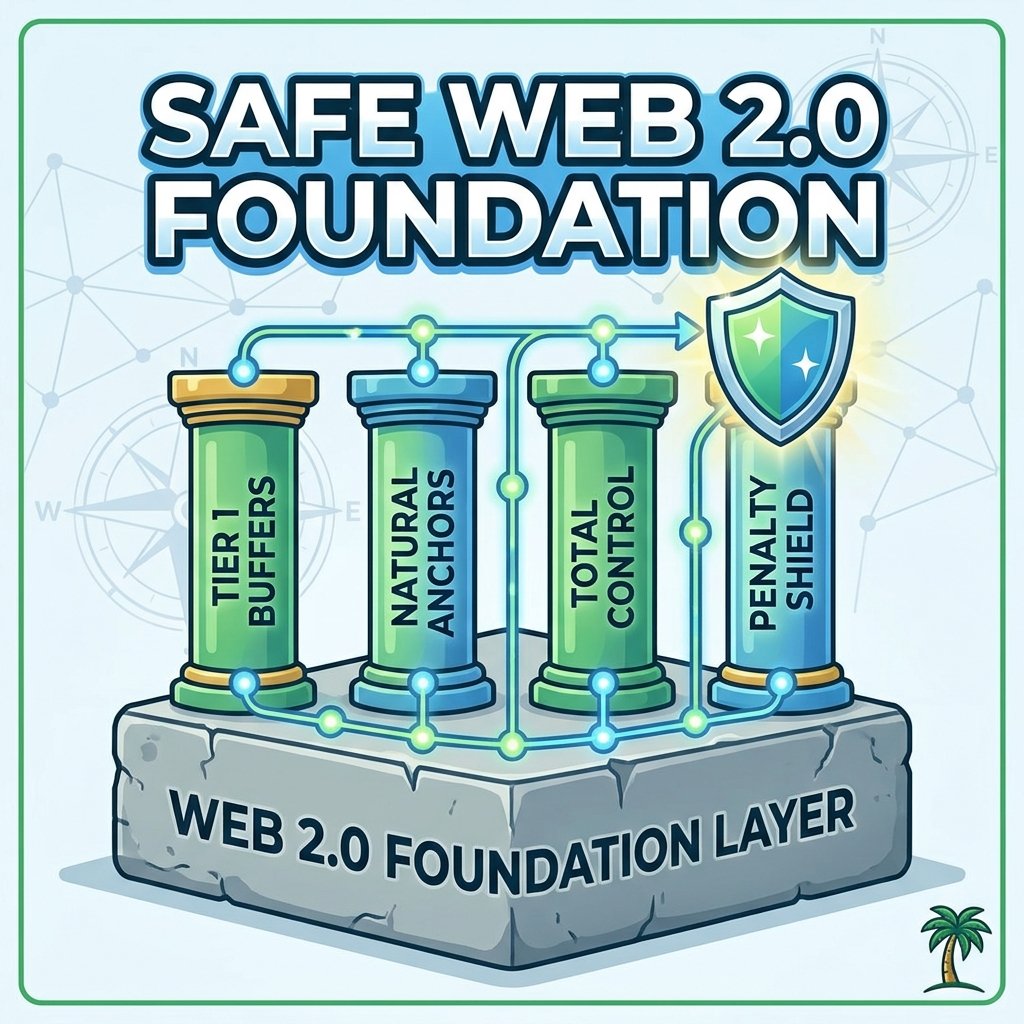
Layer 1: The Foundation & Safe Buffer (Web 2.0 Backlinks)
Before you point powerful, expensive links straight at your money site, you need a buffer. This is where web 2.0 backlinks come in.
Web 2.0 properties (hosted on platforms like WordPress.com, Medium, Tumblr, and Wix) give you total control over content, metadata, and outbound links. But you have to know how to use them correctly.
If you spam a newly registered Web 2.0 blog with fifty outbound links on day one, it gets deleted or ignored.
How to Build Safe Web 2.0 Tiers:
-
Treat them like real micro-sites: Give each Web 2.0 its own unique imagery, about page, and natural categorization.
-
Buffer your money site: Instead of pointing every Web 2.0 straight to your money page, use them as Tier 1 or Tier 2 buffers. Point some authority links to the Web 2.0s themselves, and pass filtered, diluted juice down to your site.
-
Keep anchor text clean: On your Web 2.0 properties, stick primarily to branded, naked URL, and generic anchors (“click here,” “read this guide”). Save your exact-match keywords for higher-level editorial placements.
When executed properly, Web 2.0 networks absorb algorithm volatility and protect your primary domain from direct link spam flags.
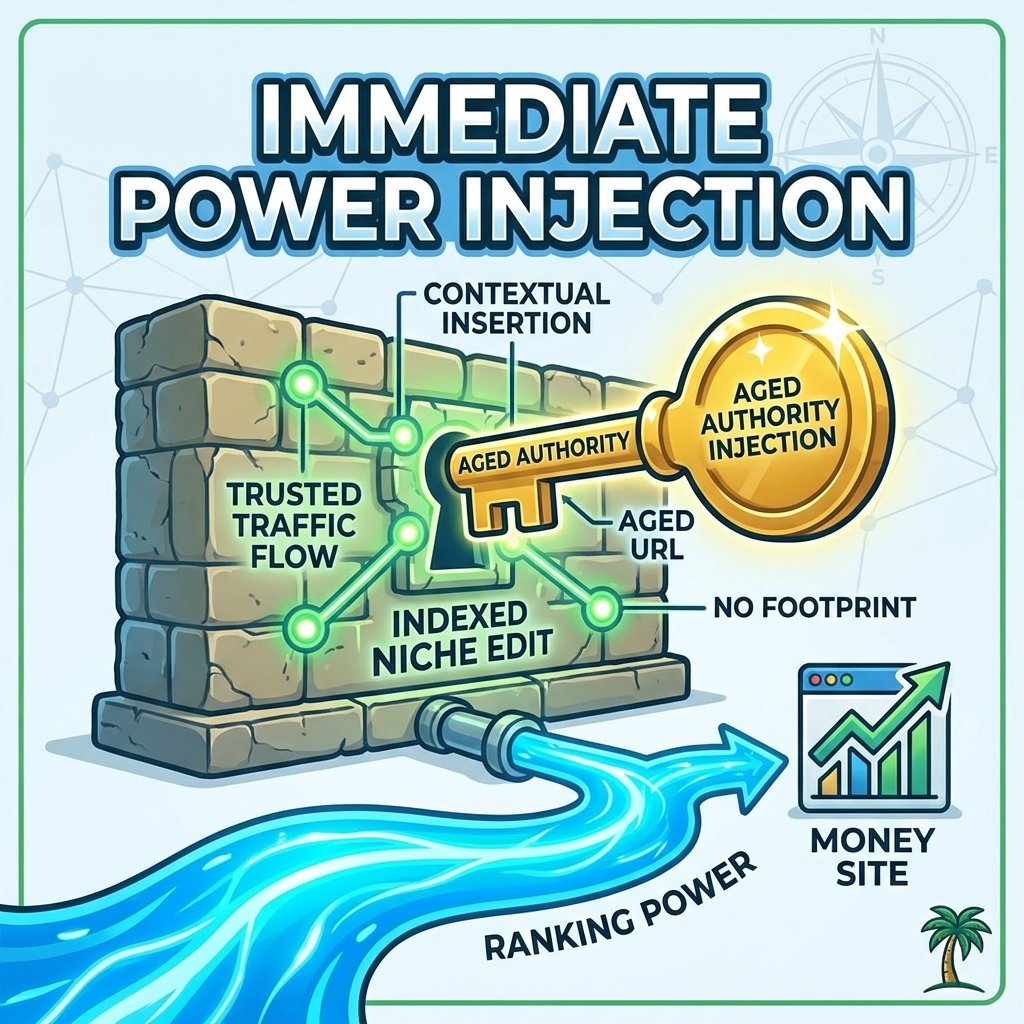
Layer 2: Instant Authority Injection (Niche Edits)
Once your foundation is secure, you need links that pass real, established trust. Waiting six months for a new blog post to age and build authority organically is agonizingly slow. That’s why savvy marketers buy niche edits.
Niche edits (also known as contextual link insertions) involve placing your link inside an existing, indexed article that is already ranking and receiving traffic on Google.
Why Niche Edits Are Safe and Effective:
-
Aged Trust: The Google bot already crawls, indexes, and trusts the host URL. You aren’t asking Google to index a brand-new page; you are piggybacking on existing authority.
-
Contextual Relevance: Because the article has lived on the web for months or years, adding a relevant link within the surrounding paragraphs looks entirely natural to search engines.
-
Immediate Impact: Unlike fresh guest posts that can take months to mature in the index, niche edits often pass link juice almost immediately upon re-crawling.
The key to keeping niche edits safe is checking the host site’s organic traffic stability via tools like Ahrefs or Semrush to ensure it hasn’t been hit by past penalties.
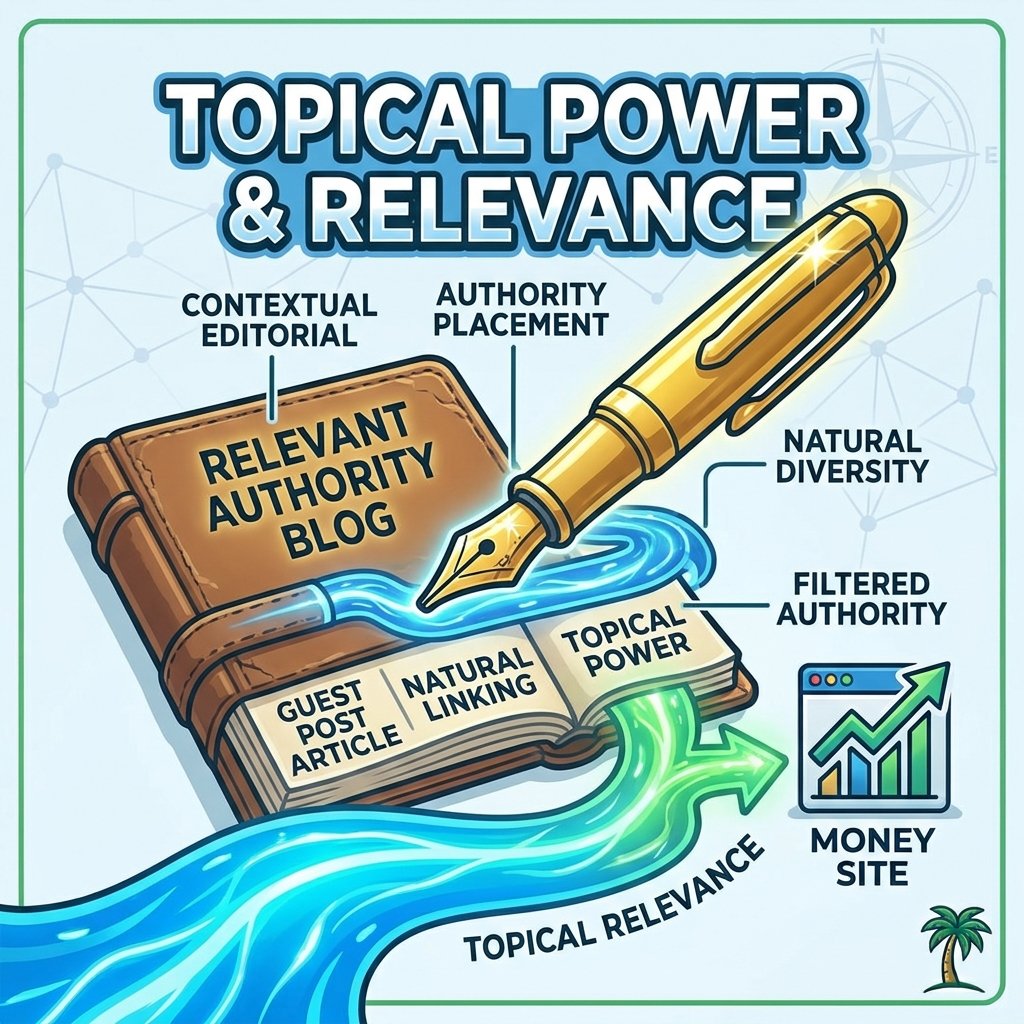
Layer 3: Long-Term Topical Power (Guest Posts)
While niche edits inject authority from the past, guest posts build your brand’s topical relevance for the future. When you buy guest posts, you are securing a brand-new, relevant article written specifically on an authoritative industry blog with a contextual link pointing back to your content.
Guest posting remains one of the gold standards of off-page SEO, provided you follow two golden rules:
-
Relevance over Metrics: Don’t buy a guest post on a generic PBN or a multi-niche general blog just because it has high Domain Authority (DA/DR). Buy a placement on a site that is genuinely relevant to your niche. If you run a fitness blog, your guest post belongs on health and wellness sites, not a car repair blog.
-
Natural Outbound Links: A good guest post doesn’t just link to you; it also links out to 2 or 3 non-competing authority sources (like Wikipedia, an industry study, or a trusted news outlet). This natural linking pattern completely masks any commercial intent from search engine crawlers.
The Ultimate Safe Link Building Blueprint
If you want a link profile that survives every Google core update without breaking a sweat, you shouldn’t rely on a single tactic. You need a structured pyramid:
| Link Tier | Asset Type | Primary Purpose | Anchor Text Strategy |
| Tier 3 | Social Bookmarks & Web 2.0 Profiles | Indexation & Buffer | Branded & Naked URLs |
| Tier 2 | Contextual Web 2.0 Networks | Risk Mitigation & Dilution | Generic & LSI Keywords |
| Tier 1 (Base) | Niche Edits & Guest Posts | Direct Ranking Power | Balanced Mix (Branded, Partial & Exact Match) |
By combining Web 2.0 buffers at the base, aged niche edits for immediate punch, and high-relevance guest posts for topical strength, you create an unshakeable off-page profile.
Stop wasting money on single-source link blasts that trigger automated spam filters. Structure your campaigns intelligently, protect your domain, and watch your rankings climb steadily to the top of Google.