
If you are brand new to search engine optimization, you quickly realize one brutal truth: publishing great content on a brand-new domain does not automatically bring you traffic. You can spend weeks crafting the ultimate guide, but if Google does not see votes of confidence pointing to your site, you will stay buried on page ten.
That is why site owners look for safe backlink services.
Too many beginners get burned by automated link blasters, cheap profile spam, or shady black-hat networks that trigger manual penalties within weeks. If you want sustainable organic traffic, you need a strategy rooted in real-world testing. Over the last decade of testing links, I’ve learned exactly what survives core updates and what gets wiped out.
Let’s look at how to build safe, high-impact link profiles that push your rankings to page one without risking your domain.
Why Dangerous Link Building Destroys New Sites
When you first start out, it is tempting to buy cheap 10,000-link packages on Fiverr. Automated software like GSA or old-school forum scrapers can blast thousands of spammy links to your money site overnight.
Don’t do it.
Google’s spam detection systems spot unnatural link velocity instantly. If a fresh domain with zero traffic suddenly acquires 5,000 links from low-quality comment sections in Russia or China, the algorithm flags it. You get hit with a penalty or filtered out of the index entirely.
Safe link building is all about relevance, control, and natural growth velocity. You need a tiered structure or contextual placements that look entirely natural to search engine crawlers. If you want someone else to handle the heavy lifting safely, you can choose to buy backlinks through managed campaigns designed specifically to avoid algorithmic tripwires.
The Four Pillars of a Safe Backlink Profile
To rank safely and consistently, your backlink strategy needs a healthy mix of assets. Here are the core components required to build a rock-solid SEO campaign:
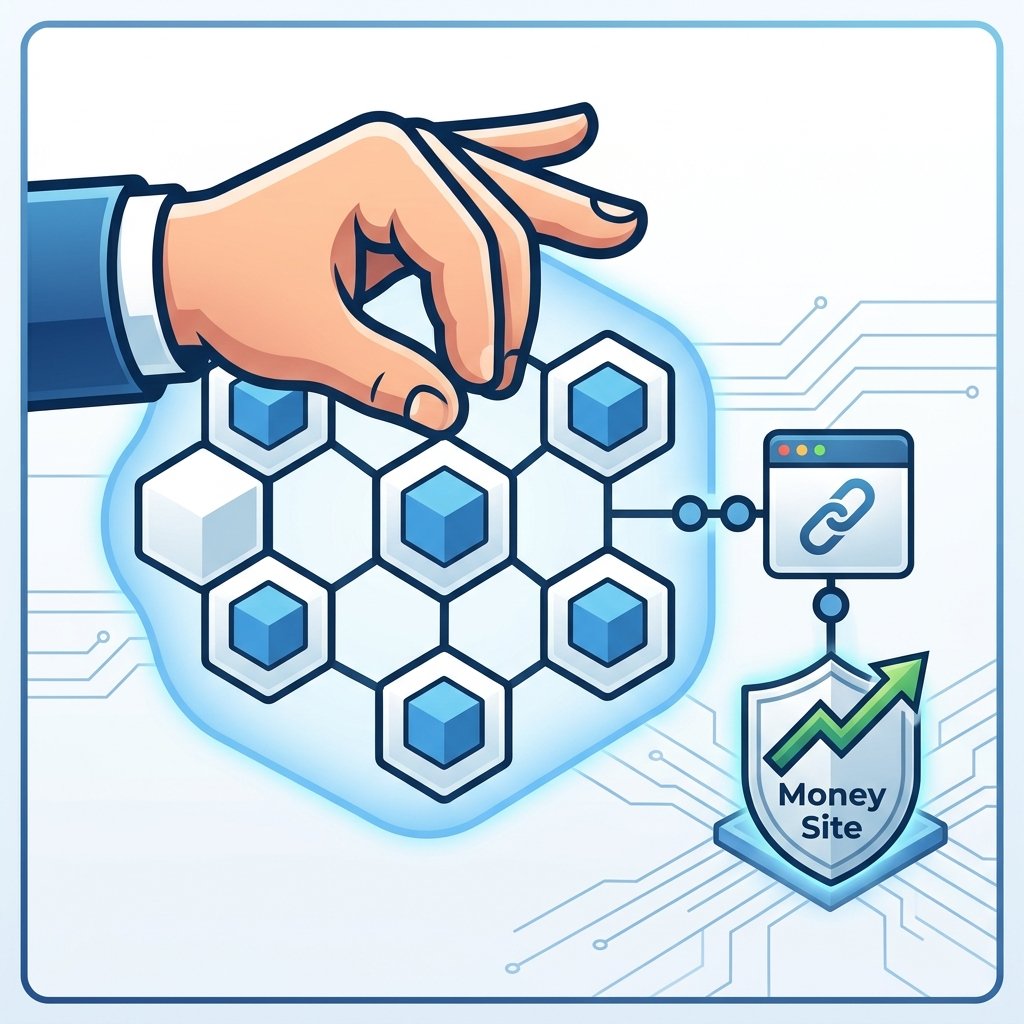
1. Control and Buffer Properties (Web 2.0s)
When you build links to a new money site, you should never point raw, aggressive anchor text directly to your primary domain in massive volumes. Instead, you use buffer properties.
Web 2.0 platforms—free blogging networks like WordPress, Wix, and Weebly—allow you to create themed satellite sites. You control these platforms entirely, meaning you can manage your anchor text ratios and direct power safely.
If you want to master this process yourself, read my complete walkthrough on web 2.0 backlinks to see how to set them up step-by-step.
2. Instant Contextual Power (Niche Edits)
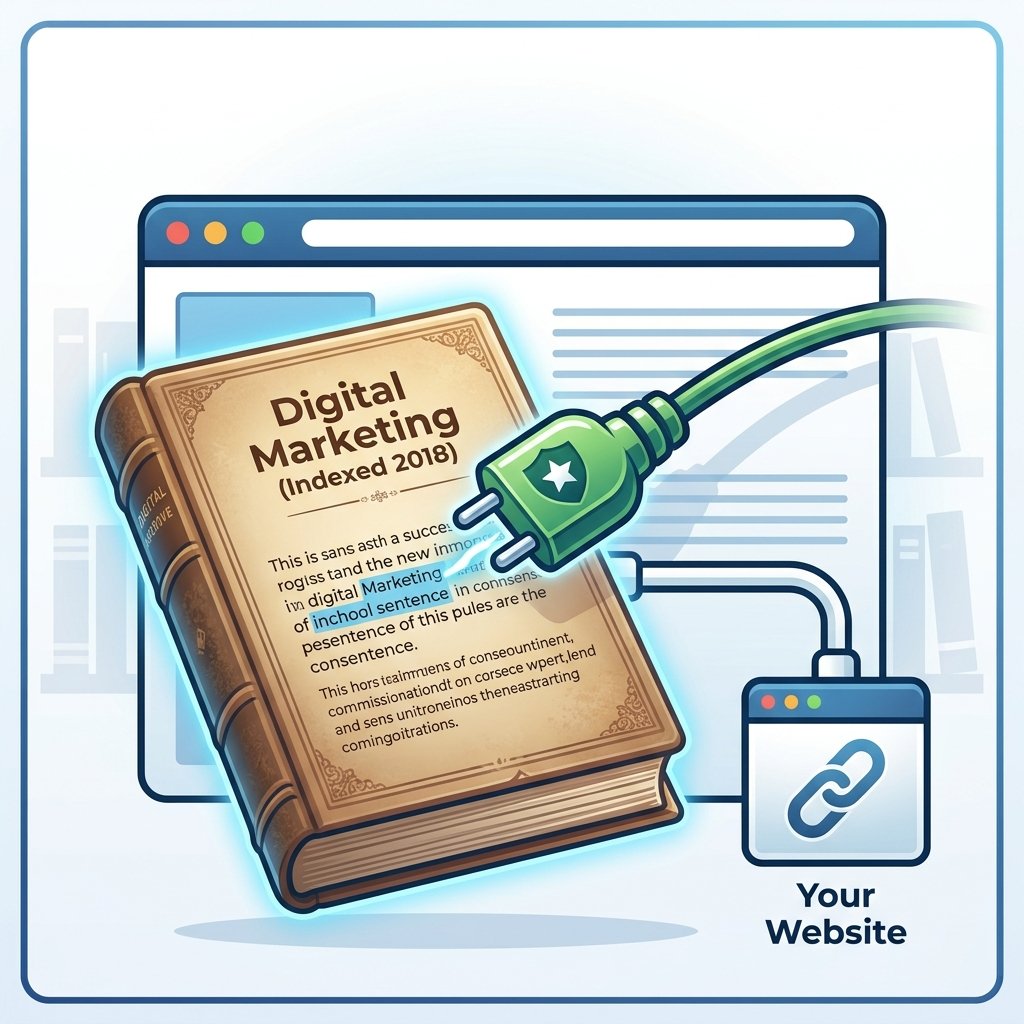
Waiting months for brand-new content to index and build authority can stall your momentum. A faster, highly effective alternative is placing links inside aged, already-indexed articles on relevant websites.
These are known as niche edits or curated link insertions. Because the target page already has Google history, trust, and active indexation, dropping a contextual link into it passes ranking power much faster than building a brand-new page from scratch. To secure these safely, you can buy niche edits that match your exact topical category.
3. Editorial Authority and Trust (Guest Posts)
Guest posting remains one of the gold standards of off-page SEO when executed correctly. This involves writing a high-quality article for another established blog in your niche in exchange for a contextual link back to your site.
The key to safety here is avoiding obvious “guest post farms” (sites built solely to sell links with hundreds of unrelated outbound links). True editorial outreach secures placements on real, traffic-driving sites with genuine human readership. If you want hands-off execution with vetted publishing partners, you can buy guest posts to cement your long-term topical authority.
How to Structure a Safe Campaign (The Multi-Tier Method)
If you want to rank #1 without triggering algorithmic filters, you should combine these elements into a structured link pyramid:
-
Tier 1 (The Power & Trust Layer): Point high-quality guest posts, aged niche edits, and clean web 2.0 buffer sites directly at your money page. Keep your exact-match keywords minimal here; mix in branded anchors and naked URLs to keep the profile looking natural.
-
Tier 2 (The Support Layer): To give your Tier 1 links an extra push, build supplementary Web 2.0s or profile links pointing to your tier-1 properties. This protects your money site from direct algorithmic risk while funneling juice where it counts.
For further reading on external strategies and industry benchmarks, you can check out resources like Ahrefs Blog for data-backed SEO studies or Backlinko for actionable link-building frameworks.

Final Thoughts: Keep the Links Flowing
SEO is a long-term game. You cannot expect to build five links today and rank number one tomorrow. Safe link building requires patience, consistency, and a strict focus on quality over spam volume.
Keep your anchor text diversified, focus on niche relevance, and keep the links flowing steadily over a 2-to-3-month window. Do that consistently, and you will watch your target pages climb straight to the top of Google organic SERPs.