
If you’ve been doing SEO for more than five minutes, you know the debate never ends: Niche Edit vs. Guest Post.
I get asked this almost every day. Clients want to know which one is going to push their rankings to position #1 faster. Over the last 10 years at Rankers Paradise, I’ve tested both methodologies on thousands of sites. I’ve seen what works, what gets penalized, and exactly how the search algorithms prioritize link equity today.
If you are looking to buy backlinks to fuel your growth, you need to stop guessing and start understanding the mechanics behind these two powerhouse strategies.
What is a Niche Edit?
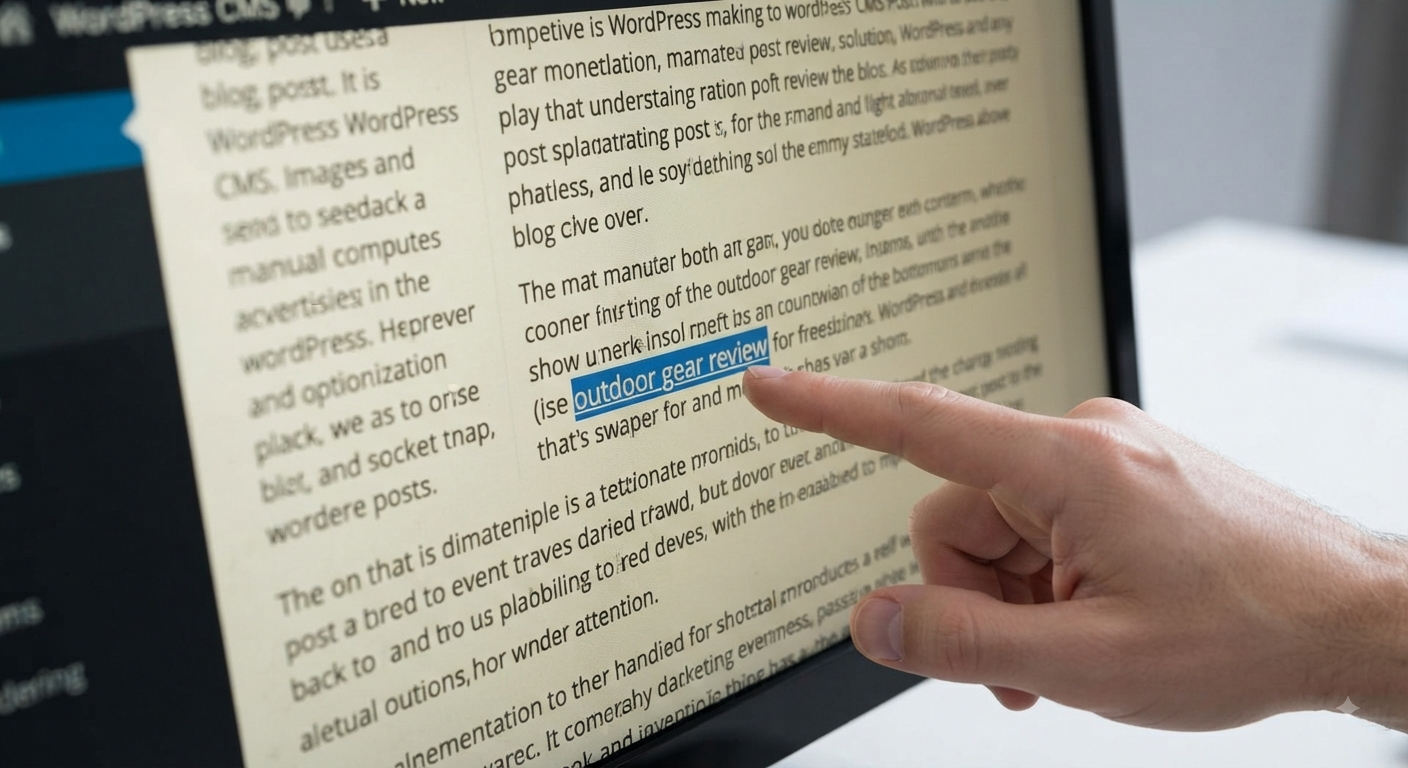
A Niche Edit (also known as a link insertion) is the process of finding an existing, indexed, and aged blog post on a third-party website that is already receiving traffic and has relevant topical authority. You get the site owner to insert a contextual link to your money site within that existing content.
Why I like them:
-
Instant Age: You are getting a link from a page that has already been crawled and indexed by Google. There is no waiting for the site to “age.”
-
Contextual Relevance: Because the article is already about your niche, the link looks 100% natural.
-
Faster Results: Since the page already has authority, the “link juice” passes to your site much faster than a brand-new post.
What is a Guest Post?
A Guest Post involves writing a brand-new article and placing it on another website, which then links back to yours. It’s a classic strategy, but in 2026, it has become significantly harder to execute effectively.
The Reality Check:
Most guest posting is now bloated with low-quality content. Unless you are guest posting on a high-traffic, authoritative news site, you are often just creating a new page on a site that has very little inherent authority. You’re essentially building a brand-new bridge to nowhere.

Niche Edit vs. Guest Post: The 2026 Comparison
Here is the breakdown based on my real-world testing:
| Feature | Niche Edits | Guest Posts |
| Speed to Ranking | Extremely Fast | Slow/Variable |
| Authority | High (Aged Content) | Variable (New Content) |
| Effort | Low | High |
| Cost | Medium | High |
If you are just starting out and need to build a solid foundation, I usually recommend starting with web 2.0 backlinks to build your initial tier, then transitioning to Niche Edits as your domain authority grows.
Why I Prioritize Niche Edits for High-Stakes SEO
When I’m working on a competitive project—like the one documented in our recent iGaming SEO case study—I don’t have time to wait for Google to index new guest posts. I need to move the needle immediately.
Niche Edits allow me to target specific pages that already hold the authority I need. However, you can’t just buy any link. You need to perform a strict backlink audit on the prospective site before you spend a single dollar. If that site has a spammy history, you’re just inviting a manual penalty.

Which Should You Choose?
-
Choose Niche Edits if: You have an existing site and you need to push your keyword rankings from page 2 to page 1. They are faster, more cost-effective, and provide immediate contextual relevance.
-
Choose Guest Posts if: You are purely looking for brand exposure on major industry-leading sites and you have the budget to produce high-quality, long-form editorial content that warrants a placement on those specific domains.
Final Thoughts
The game has changed. In 2026, it’s not about how many links you build; it’s about the authority you pass through those links. Whether you choose Niche Edits or Guest Posts, ensure the process is transparent and the site quality is vetted.
Don’t let the algorithm updates scare you. Focus on high-quality, contextual placements, and you’ll find that Google rewards real, relevant content every single time. If you’re ready to scale your off-page SEO strategy, check out our proven link packages to see what we’re using on our own sites right now.