
If you have spent any time in the trenches of search engine optimization, you already know the hard truth: generic shortcuts do not work. Every single week, site owners email me complaining that their rankings have flatlined. When I pull up their backlink profiles, it’s always the same story. They either bought a few cheap automated blasts of trash software or they threw thousands of dollars at a flashy agency that delivered a glossy spreadsheet full of dead links, unindexed directories, and recycled PBNs.
Ranking a competitive website in Google organic SERPs isn’t about chasing the latest shiny object or guessing what an algorithm update will look like next year. It requires deploying a structured blueprint of proven off-page ranking assets.
That is why smart site owners look for link building asset packages.
Instead of treating link building as a random collection of disconnected tactics, treating your campaign like a structured portfolio of assets changes everything. In this guide, I’m going to break down why bundling your off-page strategy into structured packages works, how to vet your components, and how everything connects back to your core ranking goals.
What Are Link Building Asset Packages?
When you’re in the trenches trying to move stubborn keywords to page one, you quickly realize that relying on a single backlink type is a recipe for a penalty or a flatline. Google wants to see a natural, balanced ecosystem of trust, authority, and contextual relevance.
A complete link building asset package brings together the four foundational pillars of off-page SEO into a unified, risk-free deployment strategy:
-
Web 2.0 Backlinks (The multi-tier buffer and foundation tier)
-
Standard Editorial Backlinks (The raw transactional power when you buy backlinks)
-
Contextual Niche Edits (Leveraging existing indexed authority when you buy niche edits)
-
Guest Posts (Real content placement on targeted sites when you buy guest posts)
Let’s look at how each asset functions individually and why combining them into a single roadmap is the fastest way to dominate the SERPs.
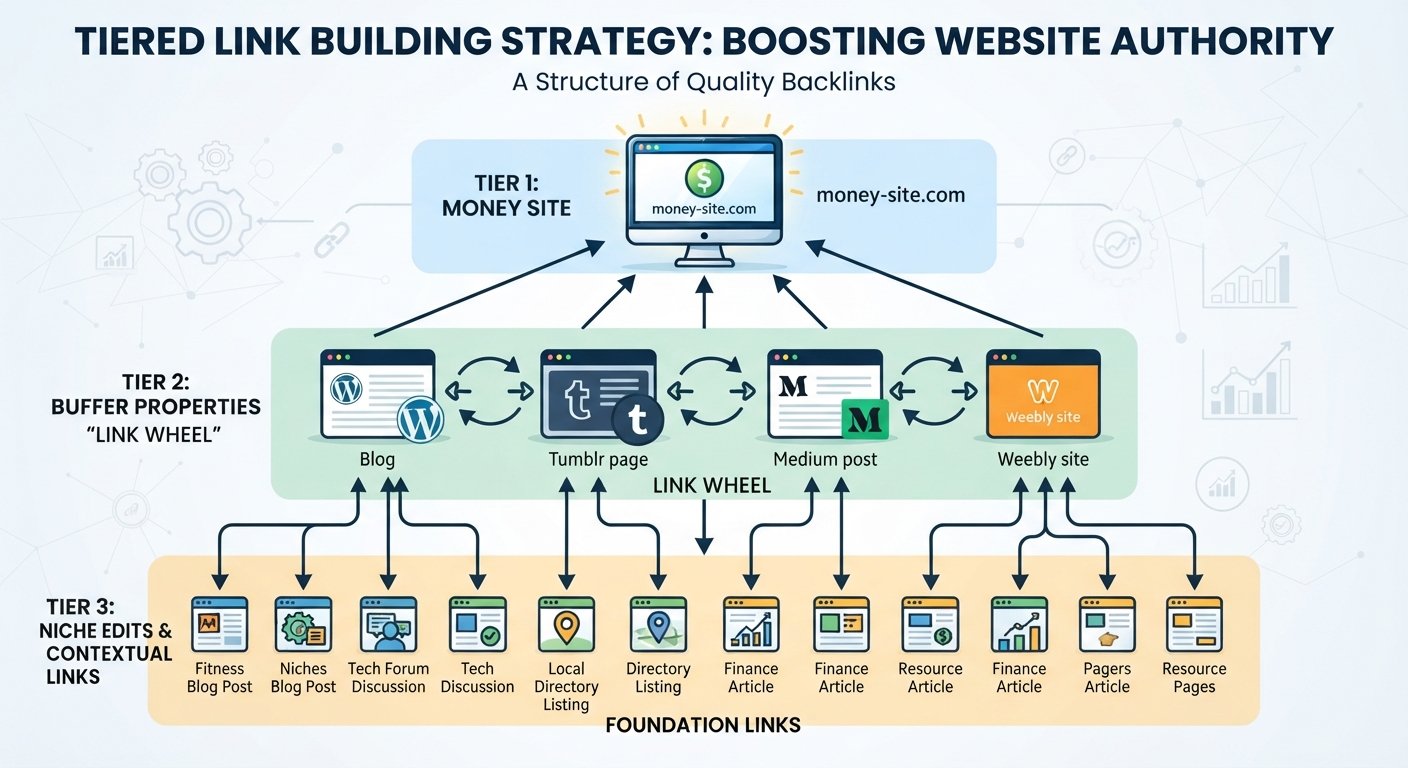
Asset #1: Web 2.0 Backlinks (The Foundation Tier)
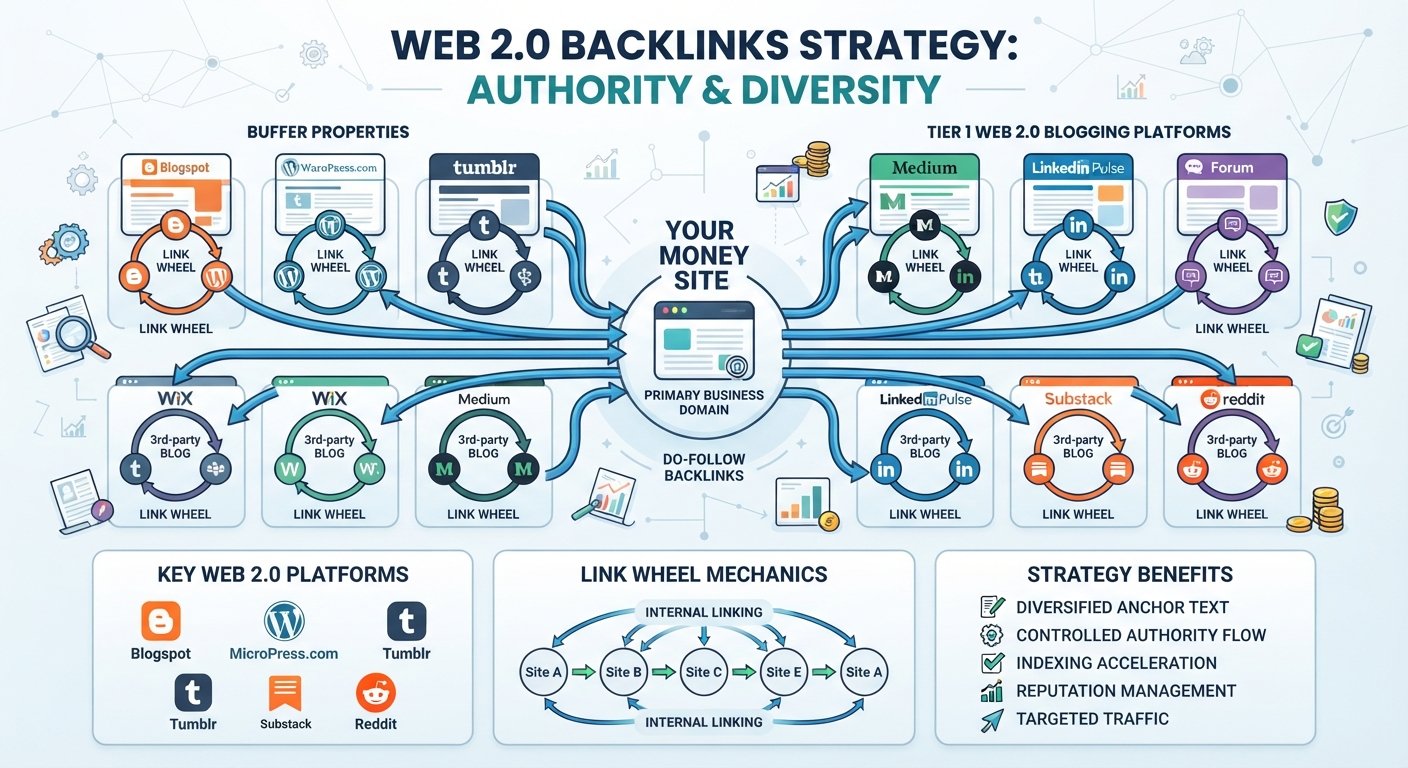
If you’ve read my previous tutorials, such as my guide on web 2.0 backlinks, you already know that high-authority free platforms like WordPress, Wix, Weebly, and Tumblr are absolute powerhouses when managed correctly.
Why Web 2.0s Still Dominate
Most beginners fail with Web 2.0s because they spam low-quality spun paragraphs and drop links into dead blogs that Google bot never crawls. But when you build them manually—or utilize proven networks that stick permanently—they serve as the ideal tier-1 buffer properties.
-
Total Control: You own the properties. You can update content, change anchor text, or adjust links whenever you need to.
-
Safety Buffer: They protect your primary money site from direct algorithmic blowback while passing clean, contextual authority down the line.
-
Link Wheels & Tiers: By structuring your Web 2.0 properties into a cohesive link wheel or tiered framework, you force Google bot to crawl your properties repeatedly, ensuring your link juice actually registers in the index.
Asset #2: Buying Backlinks That Survive Core Updates
Sooner or later, every site owner reaches a ceiling with on-page SEO alone. You can optimize your meta tags, squeeze your keyword density down to the decimal, and fix every single Core Web Vitals error, but without off-page authority, you will sit on page two forever. That’s when people start looking to purchase link inventory.
However, the backlink marketplace is littered with landmines. If you buy backlinks blindly from random forum sellers offering “10,000 DA90 links for $5,” you are handing Google an invitation to penalize your domain.
What to Look For When Buying Backlinks:
-
Real Organic Traffic: Ignore inflated toolbar metrics like Domain Authority or Domain Rating alone. Check if the site actually ranks for keywords in Google and pulls real organic search traffic.
-
Clean Anchor Text Profiles: Never over-optimize your anchor text. Keep your exact-match keywords rare, and mix in your brand name, URL, and generic terms to look completely natural.
-
Indexed Placements: If a link sits on a page that Google’s search spider has never indexed, that link is completely useless. Always verify that your placements are visible in the search index.
Asset #3: Niche Edits (Contextual Power)
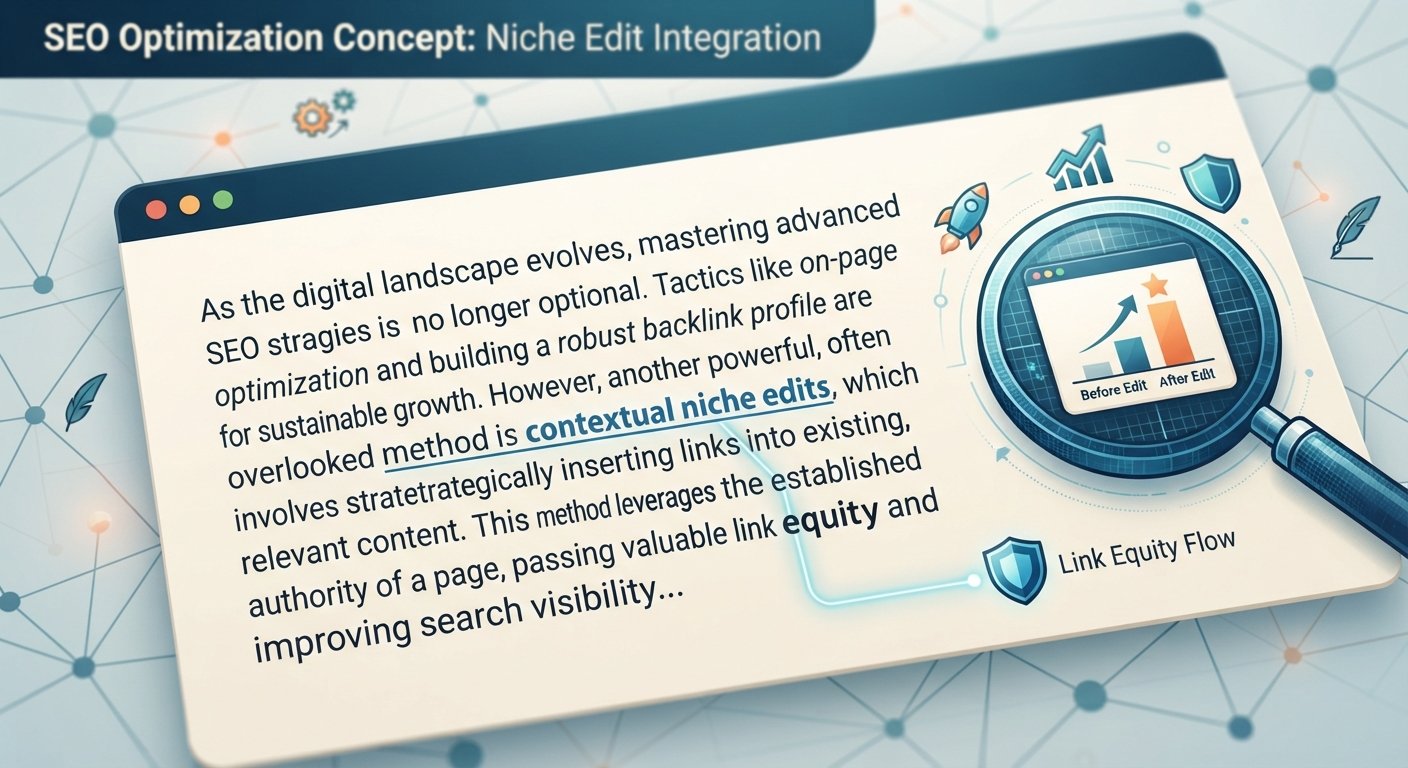
One of the most efficient ways to accelerate your ranking timeline is through contextual insertions, commonly known as niche edits. Instead of waiting for a brand-new article to get written, indexed, and trusted by Google, why not drop your link into an article that is already ranking, crawling, and pulling traffic?
When you buy niche edits, you are tapping into historical trust.
-
Instant Indexing: Because the host page is already established in Google’s index, your contextual link gets picked up and evaluated almost immediately.
-
Thematic Relevance: The best niche edits are placed inside content that closely matches your niche, passing laser-focused topical authority straight to your money pages.
-
Cost-Efficiency: It removes the content creation bottleneck while delivering maximum link equity from aged URLs.
Asset #4: Guest Posts (The Authority Driver)
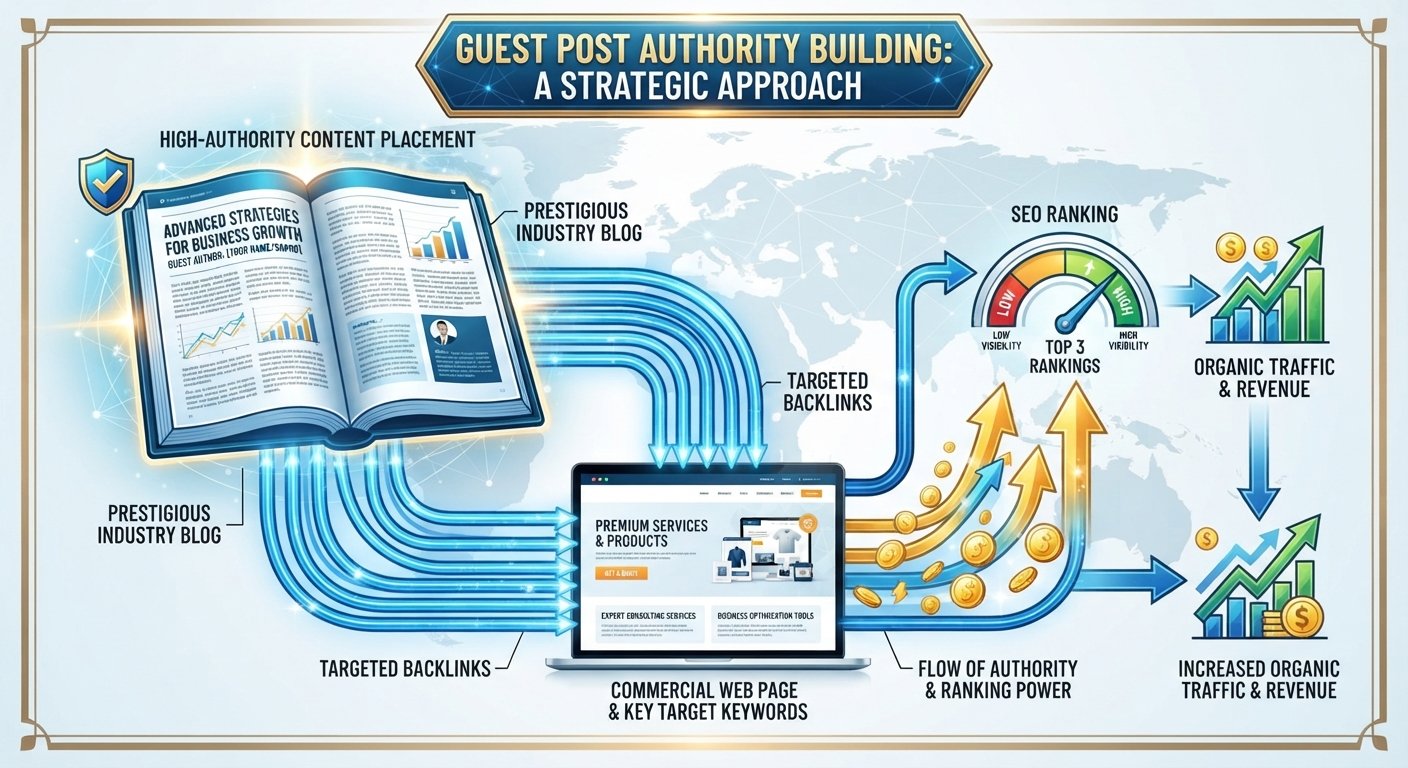
Guest posting remains the gold standard of white-hat and gray-hat link acquisition alike—provided it’s done with real sites rather than PBN farms disguised as editorial blogs.
When you buy guest posts, you are securing a unique, hand-written piece of content hosted on a relevant domain with your contextual link pointing right back to your shop or service page.
How to Ensure Your Guest Posts Move Rankings:
-
Check Outbound Link Count: Avoid “guest post farms” that host hundreds of outgoing links to random online pharmacies, CBD stores, and casino sites. Look for clean, tightly managed blogs.
-
Demand Editorial Standards: The article surrounding your link needs to read well, provide actual value to the reader, and feature relevant images or videos.
-
Strategic Internal Linking: Once your guest post is live, make sure you point secondary tier links (like Web 2.0s or social signals) at the guest post URL to supercharge its passing power.
How to Structure Your Link Building Asset Package Campaign
If you want to rank #1 in the Google organic SERPs, you cannot just fire links haphazardly at your site and hope for the best. You need a structured rollout plan. Here is the exact workflow I use for high-competition commercial terms:
[ Your Money Site ]
       ▲
       │ (High-Power Tier 1)
       ├─ Guest Posts & Niche Edits
       └─ Manual Web 2.0 Properties
       ▲
       │ (Tier 2 Buffer)
       └─ Spun Web 2.0s / Doc Shares / Social Signals
-
Phase 1: Foundation & Buffering. Set up your manual Web 2.0 tier-1 properties and point them securely to your money site to establish thematic relevance and baseline trust.
-
Phase 2: Contextal Injection. Deploy high-metrics niche edits to your core commercial and category pages to leverage aged, indexed authority.
-
Phase 3: Authority Amplification. Secure powerful guest posts and targeted backlink packages to drive primary ranking momentum for your main target keywords.
-
Phase 4: Indexing Verification. Push all URLs through instant indexing APIs or create tier-2 social signals and web 2.0 child links to guarantee Google bot crawls and logs every single asset.
Conclusion: Stop Guessing, Start Deploying Proven Assets
SEO doesn’t have to be a guessing game. If your rankings are stuck, it’s not because Google hates your site—it’s because your backlink profile lacks the raw power, diversity, and structural integrity required to compete.
By utilizing comprehensive link building asset packages that combine Web 2.0 buffers, editorial backlinks, contextual niche edits, and high-authority guest posts, you remove the guesswork and build a fortress of rankings that withstands any algorithm update.
If you don’t have the time to build out these complex asset networks manually, head over to the Rankers Paradise Shop and let our team deploy these battle-tested ranking packages directly for you.