
If you have been running a website or building an agency portfolio for any length of time, you already know how frustrating the off-page SEO landscape can be. You publish content, dial in your on-page elements, optimize your site speed, and then your rankings hit an absolute brick wall.
Why? Because content alone doesn’t cut it in competitive commercial niches. You need authority. You need link equity.
That is why site owners look for a reliable commercial backlink store—a central marketplace where you can secure high-metrics assets without wading through garbage links, recycled domains, or automated bot spam.
I’ve been testing, tweaking, and ranking websites since I started Rankers Paradise back in 2016. Over the years, I’ve burned plenty of budget on junk packages that promised the world and delivered nothing. Through continuous trial and error in the trenches, I figured out what actually moves the needle in Google’s organic SERPs.
In this guide, I’m going to pull back the curtain on how a true commercial backlink store operates, why combining the right link types is essential, and how to safely scale your rankings without triggering algorithmic penalties.

What Is a Commercial Backlink Store?
A commercial backlink store isn’t just an automated directory where you drop cash and receive a random spreadsheet of low-quality directory links. A legitimate store functions as an arsenal of targeted, field-tested ranking assets.
When you are competing for high-value commercial search queries—whether you run an e-commerce storefront, an affiliate property, or a lead-generation business—relying on a single type of backlink is a recipe for disaster. Google’s algorithms look for a natural, diversified link profile.
A comprehensive commercial backlink store gives you direct access to the core pillars of off-page SEO under one roof:
-
Web 2.0 Backlinks: To build foundational tier structures and buffer your money site.
-
Guest Posts: To secure contextual editorial mentions with clean traffic profiles.
-
Niche Edits: To inject your links directly into aged, already-indexed pages holding live rankings.
Let’s break down how each of these assets functions in the real world and how you should deploy them.
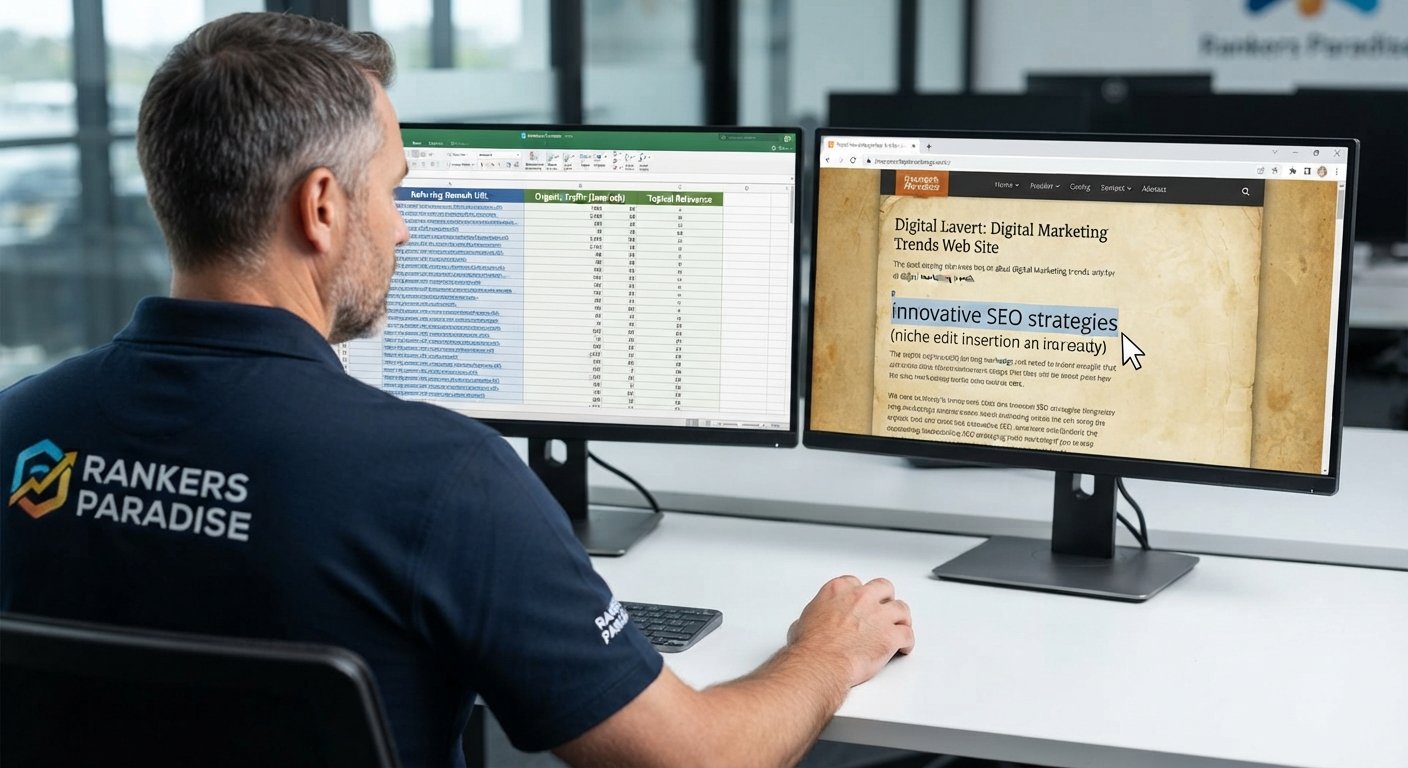
1. Web 2.0 Backlinks: Building Safe Buffer Networks
If you blast your primary domain with aggressive commercial anchor text right out of the gate, you invite trouble. Google wants to see a natural progression of trust. That is where Web 2.0 properties come into play.
When managed correctly, platforms like Tumblr, Medium, WordPress.com, and other high-authority subdomains act as powerful buffer tiers. They absorb link velocity, protect your money site from direct algorithmic blowback, and pass filtered link equity safely down the chain.
-
The Real-World Test: I’ve tested automated mass Web 2.0 tools, and they almost always result in indexation drops and wasted effort. Manual creation, unique language-matched content, and proper tiering are what make Web 2.0s work.
-
Strategic Deployment: Use these properties to support new domains or to buffer aggressive commercial keywords. If you want to dive deeper into structuring these buffer wheels without wasting your budget, check out our guide on how to use web 2.0 backlinks.
2. Guest Posts: Securing Editorial Authority
Guest blogging has survived every core algorithm update Google has rolled out over the last decade—provided it is done manually and on real, vetted websites.
Buying cheap guest posts from automated link farms or PBN networks disguised as real blogs will destroy your organic visibility. A proper commercial backlink store only offers placements on sites with genuine organic traffic floors, clean historical metrics, and active user engagement.
-
The Real-World Test: When you publish a guest post on a relevant, high-authority blog in your sector, you aren’t just passing link juice. You are placing your brand in front of a live audience while giving Google contextual clues about your site’s topical relevance.
-
Strategic Deployment: Direct these high-value contextual links straight to your primary category or money pages using a balanced mix of branded and exact-match anchors. To see how we vet real editorial placements, take a look at our inventory when you want to buy guest posts.
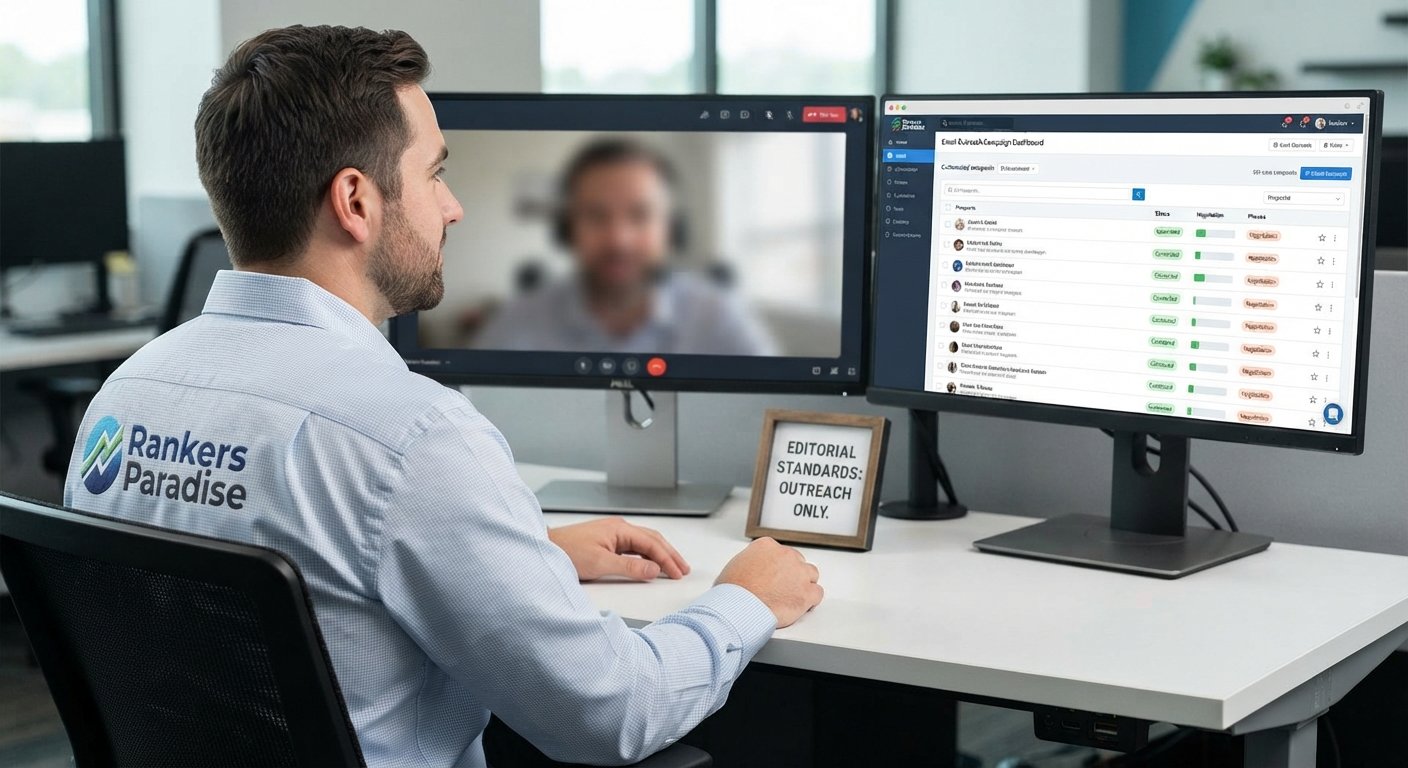
3. Niche Edits: Leveraging Aged Page Authority
Why wait months for a newly published guest post to crawl, index, and gain traction when you can tap into pages that already rank and hold authority?
Niche edits—also known as contextual link insertions—involve placing your link inside an existing, aged article on a relevant website. Because the host page has already been indexed, crawled regularly, and established in Google’s index, the ranking power transfers much faster than with fresh content.
-
The Real-World Test: Niche edits are my go-to weapon for pushing stubborn keywords from page two onto page one. You skip the sandbox delay entirely.
-
Strategic Deployment: Target pages that already rank for related long-tail terms in your industry. When you are ready to add these to your campaign, review our operational standards to buy niche edits safely.
How to Combine These Assets Into a Winning SEO Strategy
The biggest mistake site owners make is buying backlinks in isolation. They buy fifty guest posts and wonder why their anchor text profile looks unnatural. Or they build a massive Web 2.0 network without any top-tier contextual authority backing it up.
A successful SEO campaign requires a balanced portfolio. Here is the exact framework I use:
-
Foundational Layer: Establish safety and tier-one buffering using structured Web 2.0 networks.
-
Contextual Push: Secure high-metrics guest posts on aged, traffic-verified blogs to solidify topical authority.
-
Ranking Acceleration: Inject niche edits into aged, ranking pages to push your primary keywords over the finish line.
If you want to cut through the noise and assemble a complete, battle-tested campaign tailored to your exact niche, head over to learn how to buy backlinks the right way.
Frequently Asked Questions
Can you buy backlinks safely without getting penalized?
Yes, absolutely. Penalties happen when you buy low-quality, automated, footprint-heavy spam. If you stick to manual link building, clean anchor text ratios, verified organic traffic, and diversified link types (like the ones found in a professional commercial backlink store), you can safely scale your rankings.
How long does it take for backlinks to move rankings?
It depends on your site’s age, competition, and the type of link. Niche edits on aged pages can move rankings within a couple of weeks once re-indexed. Guest posts and tiered Web 2.0 networks typically take anywhere from 30 to 90 days to fully reflect in Google’s SERPs as link equity passes and trust builds.
What metrics should I look for when buying SEO links?
Never rely solely on Domain Authority (DA) or Domain Rating (DR), as these toolbar metrics are easily manipulated. Always check for verified organic traffic from search engines, low outbound link counts, and clean historical link profiles using industry tools like Ahrefs, Semrush, or Google Search Console reports. For authoritative industry studies on search engine algorithms and ranking factors, you can reference resources like Search Engine Journal.