
If you’re staring at a manual action notice in Google Search Console right now, you don’t need an SEO theory lesson. You need a rescue plan.
I’ve spent over a decade testing off-page SEO right here at Rankers Paradise, and I’ve watched too many site owners panic. They delete half their backlink profile, submit a half-baked reconsideration request, or buy cheap “disavow services” that completely flatline their remaining traffic.
Let’s cut through the noise. If Google slapped your site with a manual penalty for unnatural links, standard link building won’t save you. You need a calculated, structural turnaround. That is precisely why site owners look to buy recovery link packages for manual penalty interventions—to dilute, override, and re-establish trust with search engine spiders.
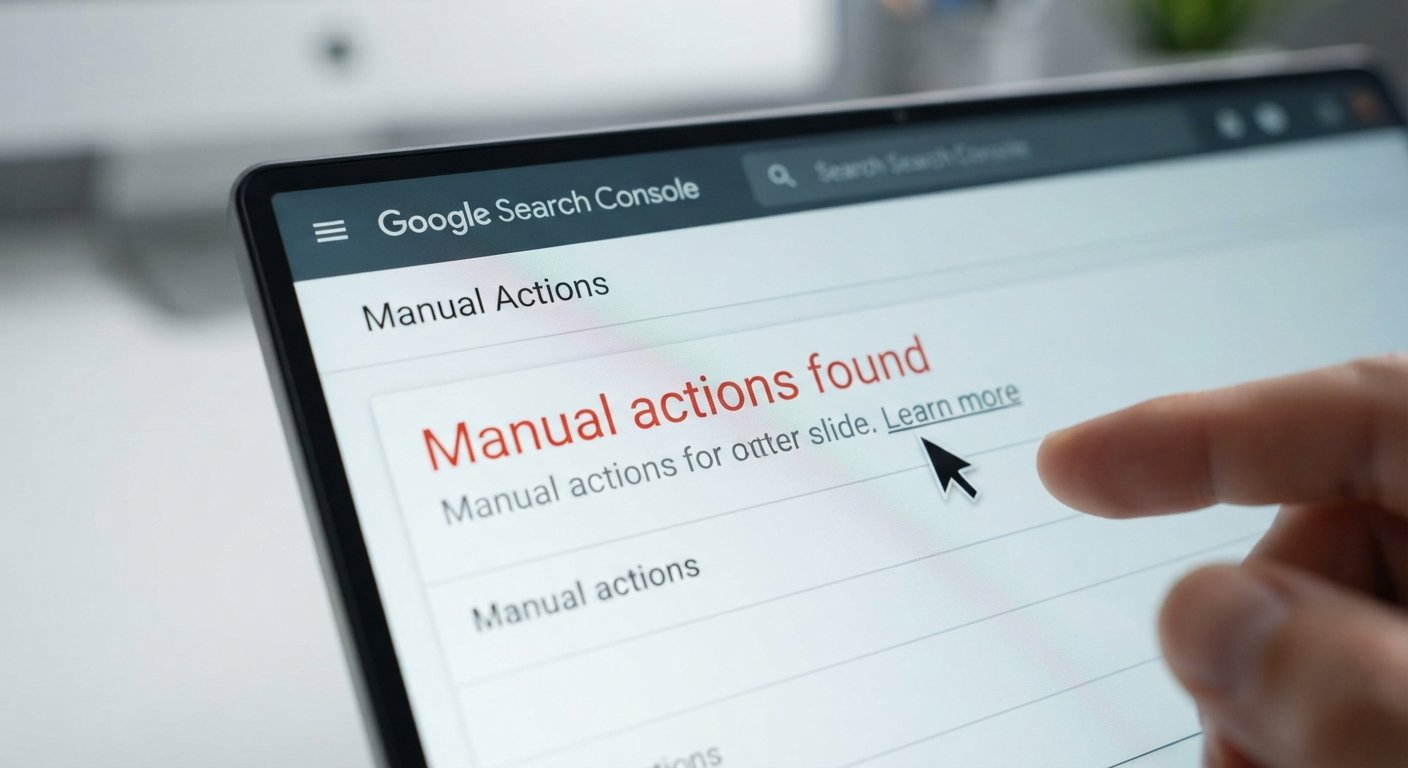
The Reality of Manual Penalties (And Why Most Fixes Fail)
When I published my first guide on how to buy backlinks back in the day, the landscape was a completely different beast. Today, Google’s algorithms and manual review teams are ruthless.
If your site gets hit, it’s usually because your backlink profile screams manipulation:
-
Over-optimized exact-match anchor texts.
-
Spammy comment links or PBN footprints.
-
Sudden, unnatural link velocity that doesn’t match your brand growth.
Most people make the mistake of thinking they can just buy more low-quality links to bury the bad ones, or worse, they rely entirely on a automated tool to clean house. It doesn’t work. To fix a broken backlink profile, you have to perform a comprehensive backlink audit to isolate the rot before you ever point a single new asset at your domain.

What Goes Into a Real Recovery Link Package?
You cannot fix a toxic backlink profile with generic, automated Fiverr gigs. If you want to rank #1 again, your recovery architecture needs to mimic natural, high-authority brand growth.
Here is the exact blueprint we use in our tested recovery campaigns:
1. The Foundation: High-Authority Contextual Niche Edits
Before you worry about volume, you need raw, unfiltered trust. We secure contextual placements on aged, real-world sites that already possess organic traffic and historical indexation. These placements absorb algorithmic scrutiny and tell Google that real websites find your content valuable.
2. The Buffer: Safe Web 2.0 Networks
A recovery campaign must balance anchor ratios carefully. This is where building controlled, high-end properties comes into play. If you want to understand how to leverage these safely, take a look at my breakdown on how to use web 2.0 sites for backlinks. Properly structured Web 2.0 networks act as a natural buffer, absorbing link juice and shielding your main domain from aggressive velocity spikes.
3. Anchor Text Diversification
When recovering from a manual penalty, your anchor profile is under a magnifying glass. We completely pivot away from commercial anchors for a sustained period, shifting heavily toward branded, URL, and naked anchors to dilute the penalty footprint naturally.

High-Risk Niches Require Bulletproof Architecture
Some industries feel the weight of Google manual actions harder than others. Take competitive verticals like online gambling, crypto, or finance. A single algorithmic shift or manual review can wipe out years of revenue overnight.
If you want to see how elite off-page structures hold up in the most brutal SERPs on the internet, check out this real-world iGaming SEO case study. The principles remain the same whether you’re ranking an affiliate store or an enterprise platform: safety, relevance, and structural dominance win every time.
Stop Guessing and Fix Your Rankings
Manual penalties cost money every single day they sit unresolved. If you are tired of watching your traffic bleed out and want a proven, tested off-page recovery architecture built by someone who has spent ten years in the trenches, it’s time to take action.
Don’t leave your site’s survival to chance or cheap automated software.
View our core shop packages and secure your recovery link strategy today.