
If you have been following my work here at Rankers Paradise for the last decade, you know I don’t care for theory, fluff, or what SEO gurus are tweeting about the future of search. I care about what moves the needle, what keeps my clients at the top of the SERPs, and what doesn’t get torched by core updates. Right now, store owners and affiliate marketers are wasting thousands of dollars on low-grade link packages because they don’t understand how search engine spiders evaluate content relevance.
If you want to buy contextual backlinks that actually push your competitive commercial keywords to position one, you need to understand how placement, topical trust, and semantic integration work in the real world.
Why Most Backlink Purchases Fail
Every week, I talk to site owners who made the mistake of buying cheap, automated link packages from massive broker marketplaces. They drop a few hundred bucks on “500 profile links” or “100 directory submissions,” wait a month, and look at their rankings with pure frustration. Nothing has moved. Or worse, their organic traffic drops off a cliff.
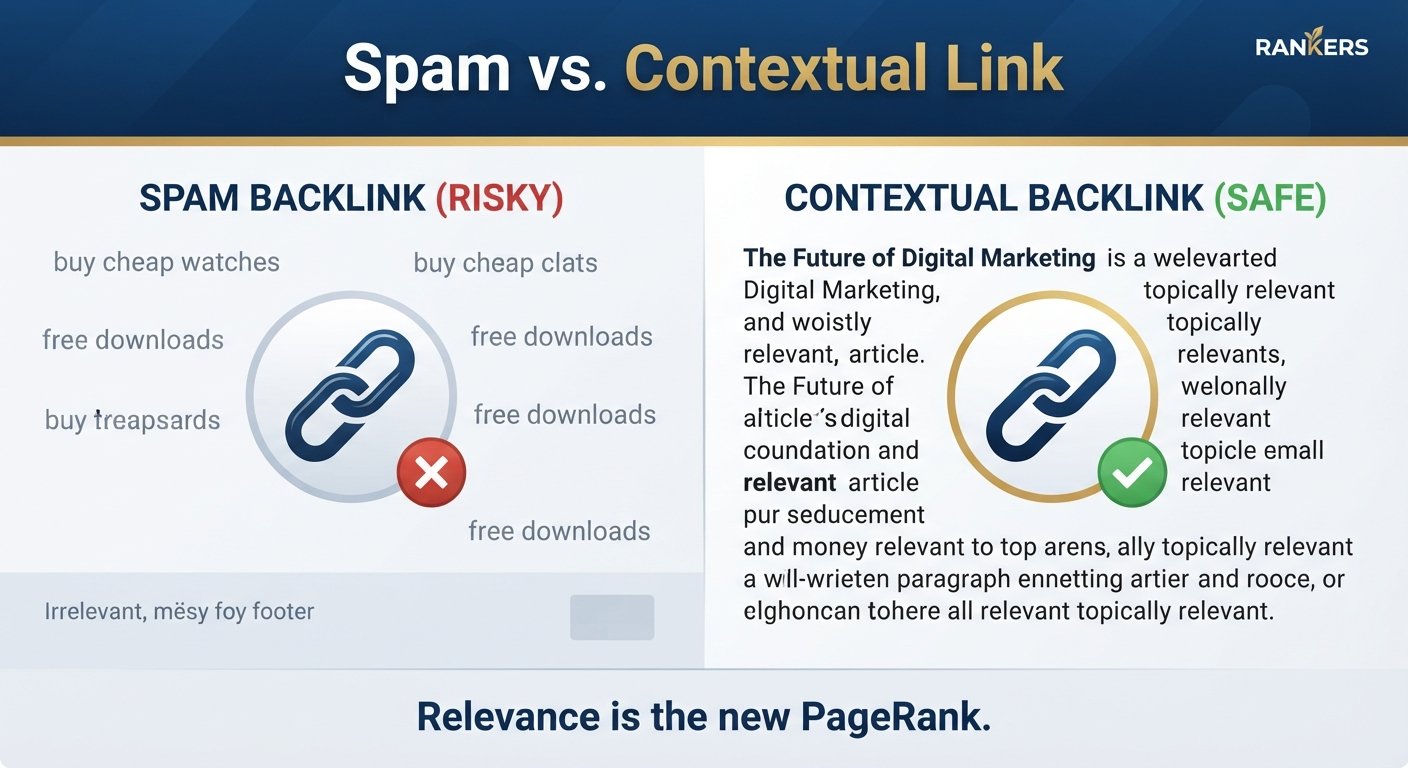
The reason is simple: Google’s crawlers do not value isolated link drops.
When a link sits isolated in a footer, a sidebar, or an automated user profile page with zero surrounding text relevance, it carries virtually zero weight. Search engine bots analyze the entire paragraph surrounding your link. If the words next to your URL have nothing to do with your niche, or if the page looks like an unmoderated spam dump, that link is dead on arrival.
If you want to understand the foundational risk framework you need to check before pointing any traffic or link equity to your site, take a look at my guide on how to buy backlinks. It lays out the exact risk assessment matrix I use for high-value commercial properties.
What Makes a Contextual Backlink Actually Work?
Over the last ten years of testing off-page SEO campaigns in the trenches, I have tracked what survives algorithmic updates. A true contextual backlink possesses specific, non-negotiable traits:
-
Natural Content Integration: The link must be embedded smoothly within a full article or blog post. It needs to read as a natural resource recommendation rather than a shoehorned promotion.
-
Topical Relevancy: If your website sells fitness equipment, your contextual link needs to live on a page talking about health, training, or wellness. Cross-niche irrelevancy dilutes PageRank transfer.
-
Real Indexation and Organic Traffic: A link on a page that Google’s spider has never crawled or indexed is completely useless. The host URL must have a clean indexation history and existing visibility in the SERPs.
-
Balanced Anchor Text Distribution: Hammering your money page with 100% exact-match anchor text is an invitation for a manual review. You need a healthy mix of brand terms, naked URLs, and long-tail variations.
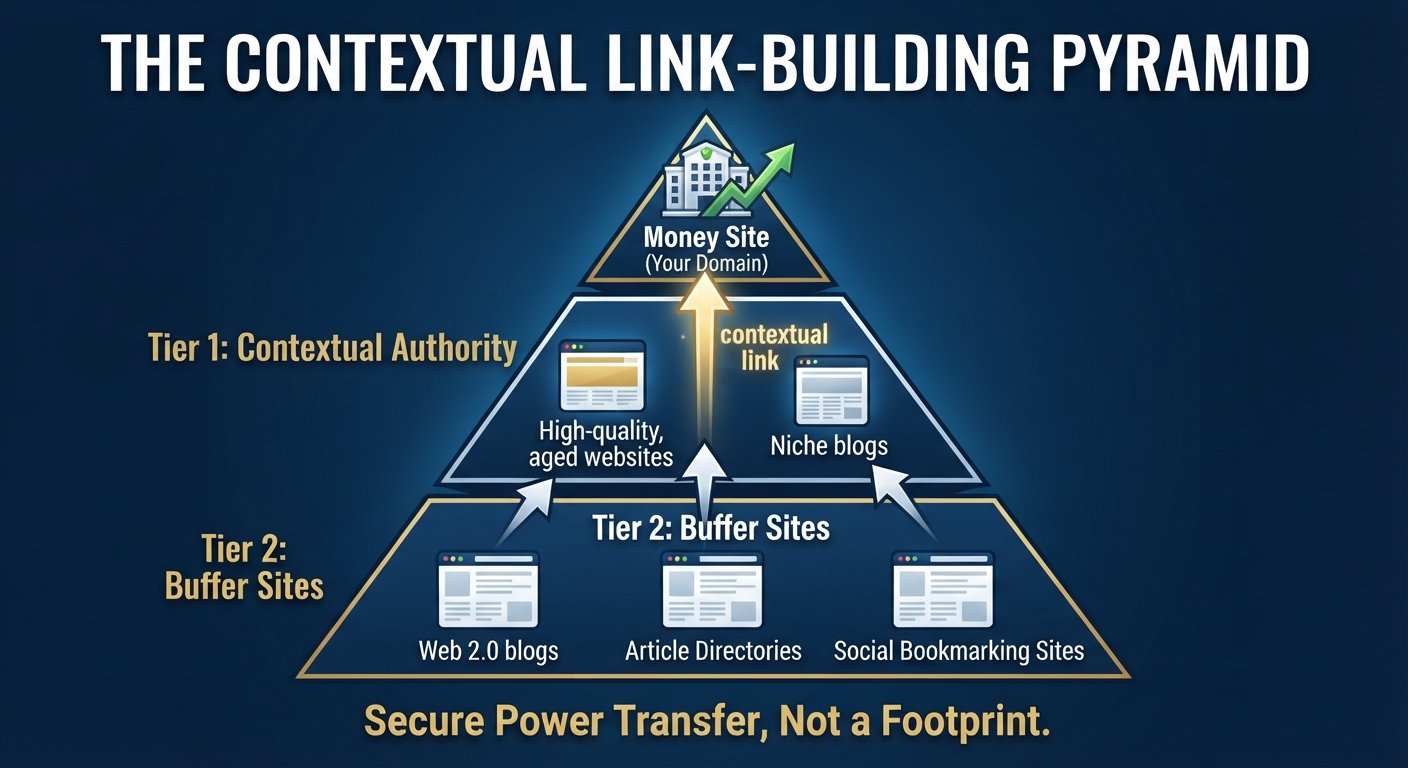
To see how these individual properties are structured before they pass power upstream, review my detailed breakdown on how to use web 2.0 sites for backlinks, which covers the exact blueprint for building safe buffer properties.
Contextual Links vs. Guest Posts vs. Niche Edits
When people look to buy links, they often get confused about the differences between service types. Let’s clear up the confusion based on real campaign performance:
| Link Type | How It Works | Best Used For |
| Contextual Guest Posts | A brand new, unique article is written and published on an established niche site with your link embedded inside the body. | Building fresh topical authority and expanding exact-match footprint safely. |
| Niche Edits (Contextual In-Content) | Your link is surgically inserted into an existing, aged article that is already indexed and ranking on Google. | Fast ranking movement and leveraging pre-existing page authority. |
| Web 2.0 Contextual Networks | Hand-built micro-brands created on trusted authority platforms (like WordPress.com or Tumblr) pointing tiered equity. | Safe tier-one buffering and driving indexation velocity. |
If you prefer the instant power of inserting links into aged, aged-in-concrete content that Google already trusts, you can skip the outreach grind and buy niche edits directly from our tested inventory.
Alternatively, if you want fresh, manually written articles published on real blogs within your exact industry, check out our options to buy guest posts for targeted, high-impact contextual equity. For broader industry insights on how off-page metrics and authority signals are shifting, you can also explore external resources like Search Engine Journal to stay ahead of algorithm changes.
How to Scale Your Campaign Safely
If you are managing your own link acquisition strategy, do not rush the process. Natural link velocity matters just as much as link quality. Pumping 500 links into a brand-new domain overnight will trigger automated filters every single time.
Build your off-page profile methodically:
-
Strengthen Your Foundation: Start with clean technical on-page optimization and build a base of trusted contextual tier-one assets.
-
Diversify Anchors: Protect your brand by varying your anchor text ratios across every campaign batch.
-
Monitor Your Backlinks: Regularly audit your referring domains using free tools or search console data to ensure your links stay live and index cleanly.
If you want to skip the trial and error, the broken outreach emails, and the wasted budget on disposable domains, let my team handle it. At Rankers Paradise, we test every strategy in the real world before offering it to our clients. Head over to our shop and pick the campaign architecture that matches your growth goals today.