
If you’re reading this, you’ve likely got a new site, you’ve put in the work on the content, and now you’re staring at a flatline in your search console. You’re nervous. You’ve heard the horror stories about sites getting slapped with a manual action or stuck in the Google sandbox because the owner “bought backlinks” too aggressively.
I’ve been running Rankers Paradise for over a decade. I’ve seen the game shift from the Wild West of 2016 link wheels to the complex, entity-driven search world of 2026. The advice you’ll find on most SEO forums is garbage—it’s either “don’t build links for six months” (which is suicide if you have competitors) or “just spam thousands of low-quality links” (which is a guaranteed penalty).
Here is the reality based on my own hands-on testing: you can safely buy backlinks for a new website, provided you respect velocity, anchor text diversity, and relevance.

Why New Websites Need a Different Approach
Most people fail because they treat a new site like an established authority. If you have zero history and you suddenly point 50 high-powered guest posts at your site, you aren’t building authority—you’re ringing the alarm bells in Mountain View.
A new site needs to look like it’s growing naturally. You aren’t just looking for “link juice”; you are building an entity profile. You need foundational signals that tell Google, “This site is a legitimate business in X niche.”
1. The Foundation: Trust and Entity
Before you even think about competitive keywords, you need to establish that your site is a real entity. This is where web 2.0 backlinks are still vital. When done manually—not with some cheap bot—these properties act as your brand’s digital footprint. They help index your content faster and provide a safe, cushioned environment for your initial links.
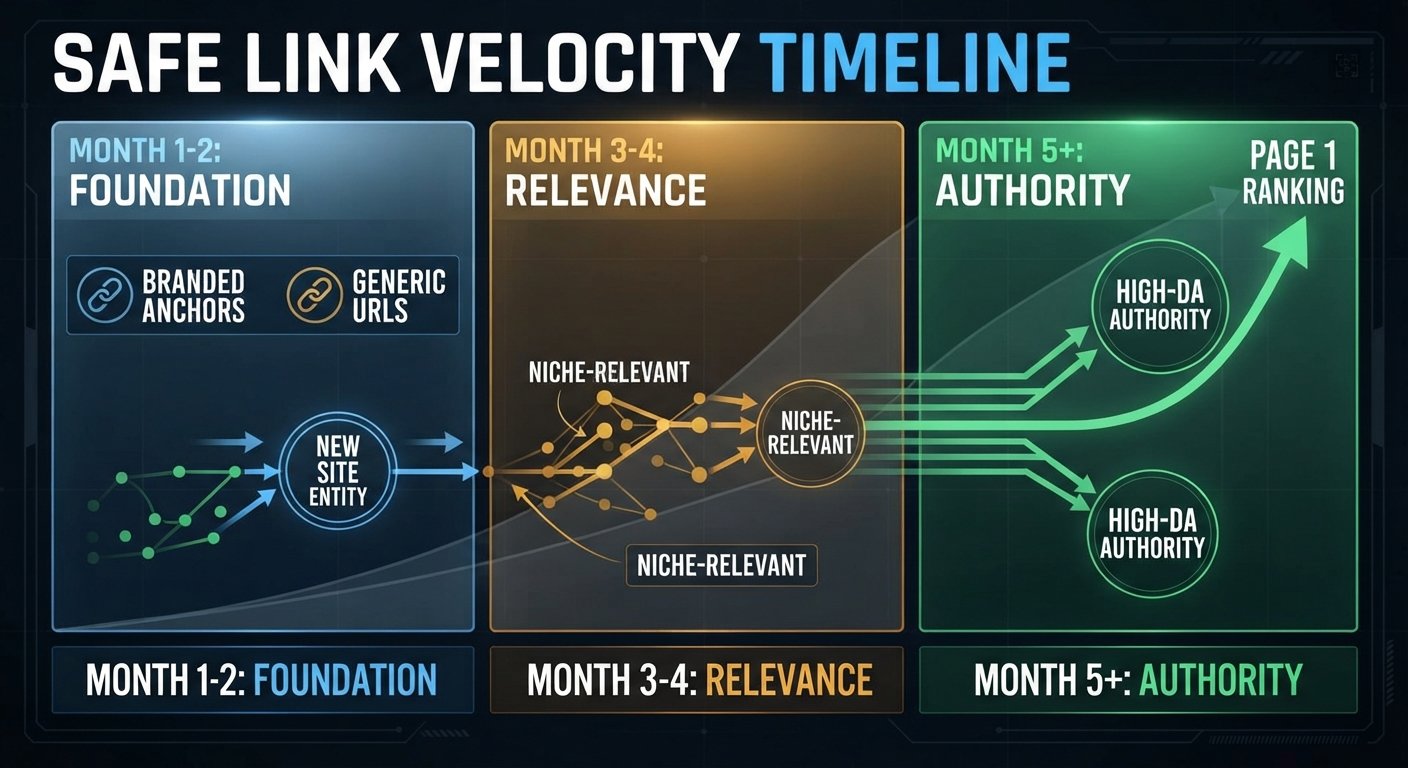
2. The Velocity Metric
How many links can you build? There is no magic number, but there is a logic.
-
Month 1-2: Focus on foundational, niche-relevant links. Keep the anchor text strictly branded or generic (e.g., “click here,” “visit site”).
-
Month 3-4: Introduce secondary keywords.
-
Month 5+: This is when you can begin to push your primary, high-competition commercial keywords.
If you skip to month 5’s strategy in week one, you’re playing a losing game.
The “Safe-Growth” Checklist for Your Backlink Profile
Before you spend a dime on any service, you need a backlink audit of your current profile. If you have spammy links from a previous experiment, they need to be cleaned up or disavowed. You cannot build a skyscraper on a swamp.
Once your foundation is clean, follow this tiered architecture:
-
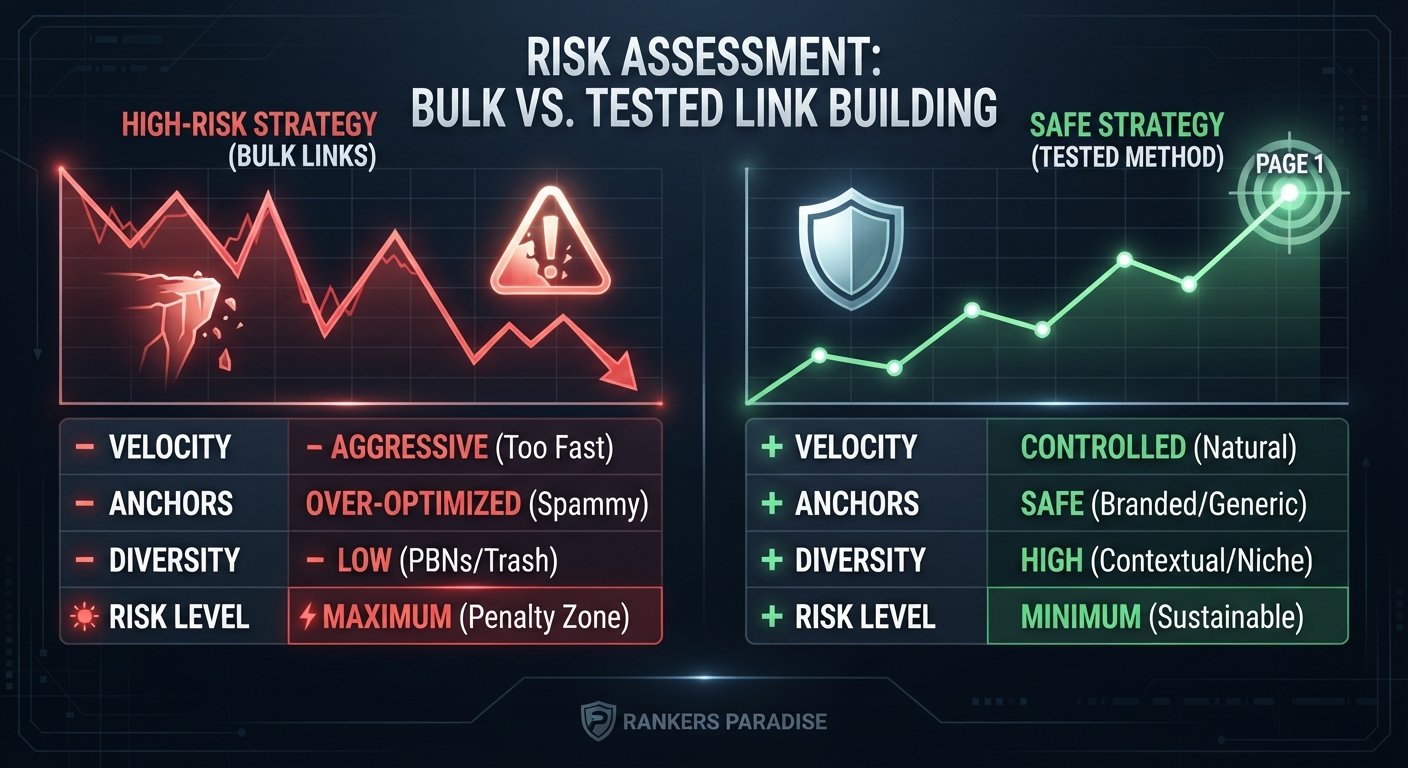
Contextual Relevance: Every link must be in your niche. If you are in the gambling sector, your links should be coming from sites that understand iGaming SEO. Relevance is the most significant “trust” factor for modern Google algorithms.
-
Anchor Text Ratio: Keep your exact-match anchors under 10%. The rest should be branded, naked URLs, or long-tail descriptive anchors.
-
Drip-Feed Everything: Nothing happens in nature overnight. Build your links over 30 to 60 days. This mimics organic growth patterns and keeps your site under the radar of aggressive filter updates.
Stop Guessing. Start Testing.
I’ve built my career on testing. I don’t follow “gurus,” and I don’t rely on theory. I spend my own money testing different link structures, tracking the ranking movement, and throwing out whatever doesn’t deliver results.
If you’re looking to buy backlinks for your new website, stop looking for “cheap” and start looking for “safe.” Cheap links are disposable. Safe, strategic links are an investment in your site’s future revenue.
How We Do It Differently
At Rankers Paradise, we don’t just “drop links.” We look at your current site age, your competition, and your target keywords. We calculate the required velocity to move the needle without triggering a penalty.
Don’t ruin your new site by doing it wrong. Check out our Shop to see the exact packages I use to rank my own sites. Every service we offer is based on the same testing methodology I use daily in the trenches.
Ready to start? Let’s get your site moving up the SERPs—the right way.