
If you’re sick of spinning your wheels trying to rank your site, you’ve probably looked at all-in-one backlink packages.
Let’s be honest: building links manually is a massive headache. You have to hunt down guest post opportunities, negotiate prices, set up tiered structures, and hope the links actually move the needle. It takes hours—hours you could be spending on keyword research, content creation, or running your business.
That’s why people look for an easier way. They want a done-for-you solution.
I’ve been testing and building backlinks since 2016. I’ve ranked sites in tough niches by testing everything from Web 2.0 buffer blogs and private blog networks to high-authority niche edits and manual guest posts. I’ve seen what works, what gets penalized, and what’s a complete waste of money.
In this guide, I’m going to break down how all-in-one backlink packages work, what you need to look out for, and how to use them safely to dominate Google’s organic search results.

What Is an All-In-One Backlink Package?
An all-in-one backlink package is a comprehensive link-building campaign bundled into a single service. Instead of buying a couple of guest posts here and a few directory links there, you get a diversified mix of links delivered all at once.
A solid, high-performing package usually includes a blend of:
-
Contextual Guest Posts: Links embedded inside relevant, real articles on indexed websites.
-
Niche Edits: Links placed inside aged, existing content that already has authority in Google’s eyes.
-
Tiered Web 2.0 Properties: Platforms like WordPress, Medium, or Tumblr set up to pass juice and index your main links faster.
-
Social Signals and Citations: Extra padding to make your backlink profile look natural to search engine bots.
The goal? To give your site an instant boost in domain authority and organic rankings without you having to lift a finger.

Why Most All-In-One SEO Packages Fail
Before you go dropping cash on the first cheap package you find on Fiverr or an automated SEO forum, listen up.
Most cheap backlink packages are absolute garbage. They rely on automated spam software that blasts your domain with thousands of low-quality profile links, forum spam, and spun content.
Ten years ago, you might have gotten away with that. Today? Google’s core updates will flatten your site into the dirt if you point thousands of low-grade, spammy links at your money page.
If you want to know how to safely navigate the link-buying landscape without triggering a penalty, check out my detailed guide on how to buy backlinks. It covers the exact risk assessment framework I use on my own sites.
To rank #1, your links need to look completely natural. That means manual placement, real traffic, and contextual relevance.
What Makes a Winning Backlink Strategy?
If you want an all-in-one package that actually moves rankings, it needs to mimic a natural, organic link-building growth curve. Here is what a proper campaign actually looks like under the hood:
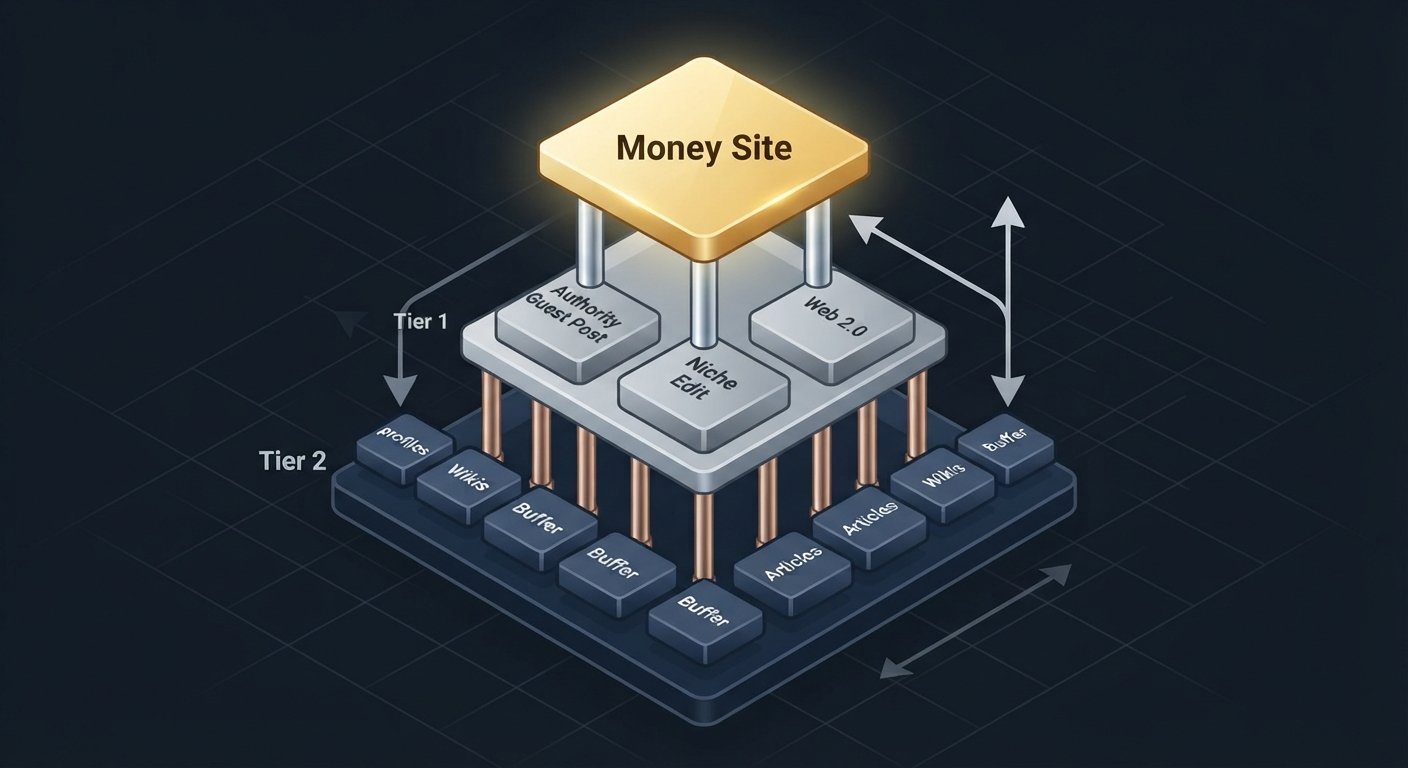
1. Tiered Link Architecture
Instead of pointing every single link directly to your homepage or money page, a smart strategy uses multi-tier structures. For instance, you can point authority guest posts directly to your site, while driving lower-tier links to power up those properties. If you want to master this approach, read my guide on how to use web 2.0 sites for backlinks. It breaks down how to build safe buffer tiers that insulate your main domain from risk.
2. Powerful Contextual Links
You can’t beat links that live inside the body of a relevant article. When an authoritative site links to you naturally within relevant text, Google passes maximum link juice. That’s why you should always look for packages that feature contextual placements. If you want to cherry-pick individual contextual links rather than buying a full package, you can check out options to buy niche edits for aged link power, or buy guest posts for fresh, hyper-targeted relevance.
3. Anchor Text Diversity
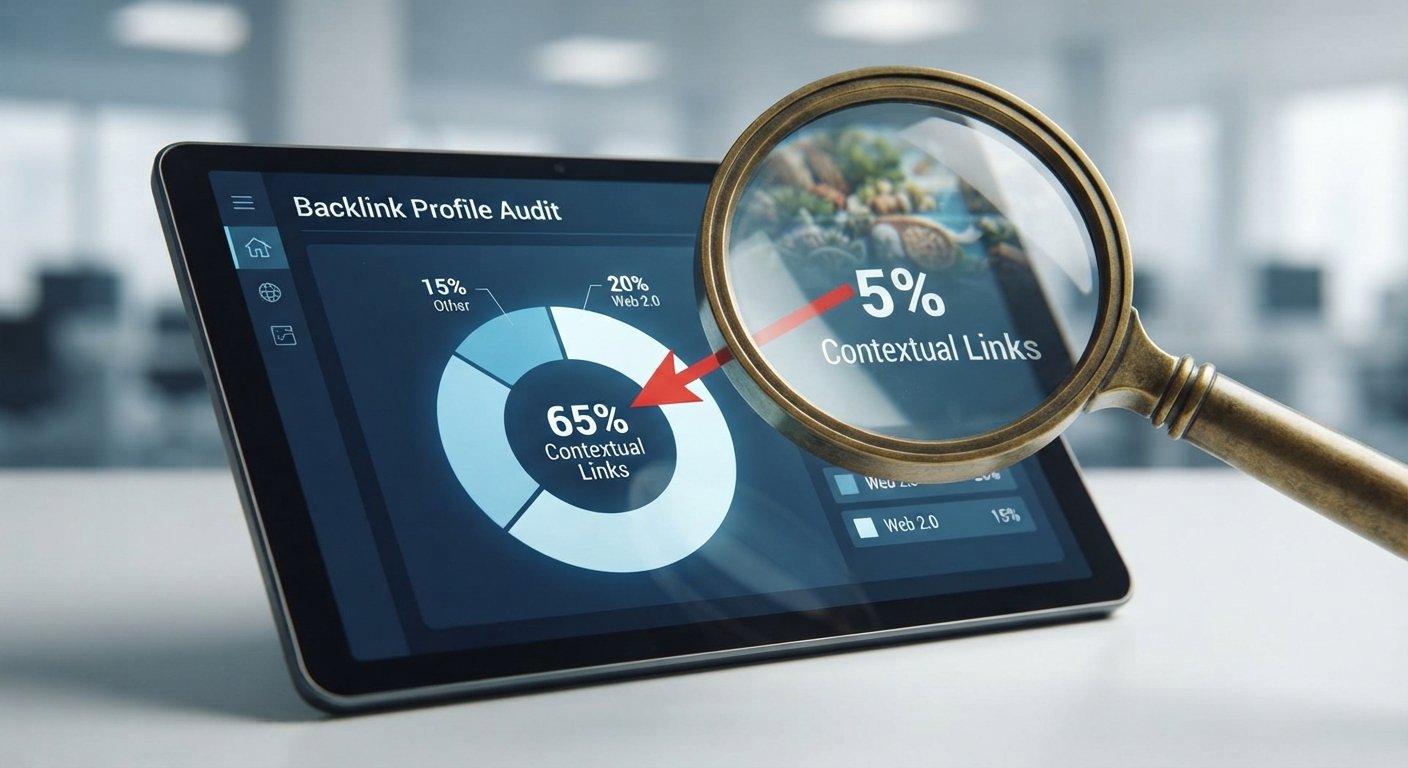
If every single backlink you buy uses your exact-match keyword as the anchor text, you’re asking for a penalty. A proper all-in-one package mixes it up with brand names, URL anchors, and generic terms like “click here” or “this source.”
How to Choose the Right All-In-One Backlink Package
If you’re shopping around for a done-for-you SEO service, keep these criteria in mind before you hand over your credit card details:
-
Transparency: Does the provider tell you where the links are coming from? Avoid anyone who hides their methods behind vague promises of “secret SEO algorithms.”
-
Real Metrics: Look for metrics like organic traffic, domain rating, and niche relevance. A link from a site getting zero traffic from Google is practically worthless.
-
Indexed Placements: Ensure the pages where your links will live are actually indexed in Google. You can check this manually using site: URL searches.
For a deeper dive into SEO best practices and algorithm updates, you can always reference authoritative industry resources like Search Engine Journal to see what Google’s search advocates are currently recommending.
Final Thoughts
Ranking #1 in Google organic SERPs isn’t about cutting corners or spamming your way to the top. It’s about building a cleaner, stronger digital profile than your competitors.
All-in-one backlink packages can save you an incredible amount of time, provided you choose high-quality, manual services that focus on contextual relevance and safety. Get the mix right, structure your tiers properly, and watch your rankings climb.