
If you are sick and tired of waiting six to twelve months for Google to trust your new content, you are in the right place. Most site owners launching a new page or a fresh domain hit an invisible wall: the Google sandbox. You write great content, you optimize your on-page SEO, you hit publish, and… nothing happens. You sit on page three or four while mediocre competitor sites take all the traffic.
Why does this happen? Because brand new links look unnatural to search engine crawlers. Google wants to see history, trust, and established authority before passing top-tier link juice.
That is exactly why smart SEO professionals buy aged backlinks.
When you purchase backlinks from established, indexed, and aged root domains or inner pages, you skip the waiting game entirely. You inject instant historical trust straight into your target URL.
In this guide, I am going to break down everything you need to know about buying aged backlinks safely, how they actually move the needle in the organic SERPs, and how you can leverage them to outrank your competitors without tripping algorithmic filters.
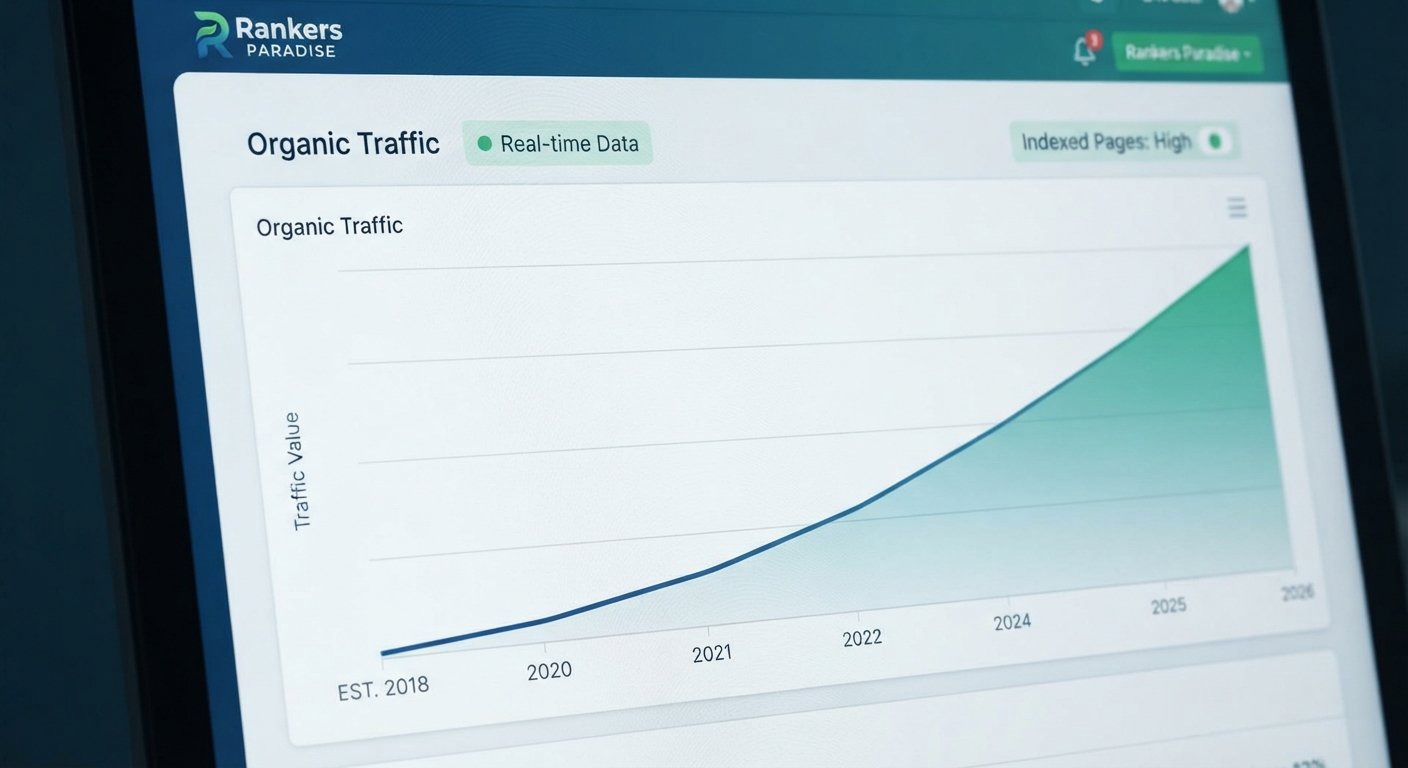
What Are Aged Backlinks and Why Do They Matter?
An aged backlink is simply a contextual link placed on a website or specific URL that has been indexed by Google for several years. These domains have historical footprint, existing organic keyword rankings, and built-in domain authority (DA/DR).
When a brand new website gets a link from a brand new domain, Google’s algorithm treats it with caution. It is two unknown entities talking to each other. But when your new money page receives a contextual dofollow backlink from a domain that has been trusted by Google since 2018 or earlier, the signal is entirely different.
The Core Benefits of Link Age:
-
Instant Trust Transfer: Older domains carry historical authority that passes immediately through a contextual link.
-
Faster Indexing: Links on aged platforms get crawled and indexed by Google bot much faster because the site already has an established crawl budget.
-
Sandbox Bypass: They help new sites and competitive money pages punch through the Google sandbox phase rapidly.
-
Resilience: Aged links are far more stable during Core Updates because the domains have survived multiple algorithmic shifts over the years.
If you want to understand the broader architecture of building high-powered link profiles, you should check out our complete breakdown on how to buy backlinks to ensure your entire acquisition strategy is structured safely.
How to Buy Aged Backlinks Safely (Avoiding Toxic Traps)
The backlink marketplace is flooded with junk. If you buy cheap, automated links from sketchy providers who blast expired domains with zero organic traffic, you are going to tank your rankings.
Before you spend your hard-earned money on link packages, you need a strict vetting checklist. Here is how I test and select aged links for my own projects and client campaigns:
1. Check Organic Traffic, Not Just Metrics
Never rely solely on metrics like Domain Authority (DA) or Domain Rating (DR). Anyone can manipulate these metrics with spam redirects or low-quality tier-two spam. Always check if the domain has real organic traffic in Google search results. If the site is ranking for keywords and pulling in organic visitors, the backlink is safe.
2. Inspect the Backlink Profile History
Use tools like Ahrefs or Semrush to look at the historical anchor text and backlink profile. If you see foreign spam anchor text, pharmaceutical keywords, or adult casino terms in the historical data, run away. You want clean, relevant history.
3. Ensure Strict Relevance
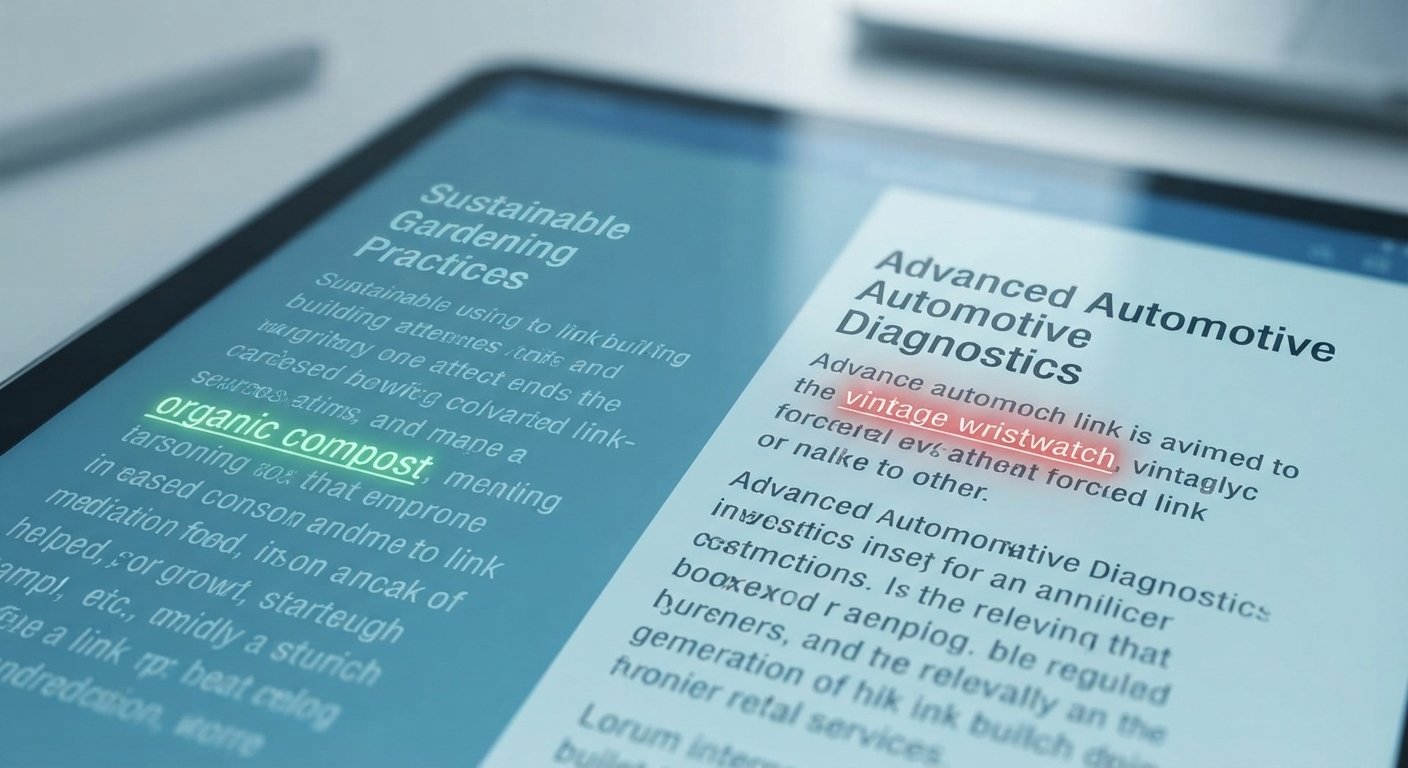
Contextual relevance is king. A link coming from an aged technology blog pointing to a pet grooming site is going to look out of place. Make sure the niche alignment makes sense, or ensure the link sits within a powerful, broad-authority contextual article that matches your vertical.
For high-relevance editorial placements that pass pure contextual power, many site owners prefer to buy guest posts on established blogs with proven history. Alternatively, if you want to tap into existing ranking pages that already have Google trust, you can buy niche edits to insert your link directly into an aged, cached article.
Integrating Aged Links with a Multi-Tier Strategy
Buying aged backlinks is a massive shortcut, but you shouldn’t just spray them blindly at your money site and hope for the best. To maximize their impact, use a structured approach:
-
Direct Tier 1 Power: Point your premium aged guest posts and niche edits directly at your commercial money pages to pass maximum authority.
-
Buffer Protection: If you are building high-volume lower-tier links or PBN placements, always buffer them. You can learn the exact blueprint we use by reading our guide on how to use web 2.0 sites for backlinks to build safe, multi-tiered link networks that protect your primary domain.
Frequently Asked Questions
Are aged backlinks safe from Google penalties?
Yes, provided they are clean domains with natural backlink profiles and real organic traffic. Links from aged domains that have survived past Google updates are often much safer than brand-new links from unvetted sources.
How quickly will I see ranking improvements?
Because aged links already possess crawl history and indexation trust, you will typically see Google bot crawl the link within hours of placement. Keyword ranking shifts usually follow within 2 to 4 weeks, depending on your niche competition.
Should I use exact-match anchor text for aged links?
Keep your anchor text profile natural. Use a healthy mix of branded URLs, generic anchors (“click here”, “read more”), and partial matches. Reserve exact-match commercial anchors (like “buy aged backlinks”) for a very small percentage of your overall link profile.