
If you’re running a website and trying to figure out why your pages are stuck on Page 2 or 3 of Google, let’s cut straight to the chase. You can have the best on-page SEO, world-class design, and content written by actual human experts, but without real authority, you won’t rank. Period.
Over the past decade of testing links, building networks, and running empirical SEO experiments here at Rankers Paradise, I’ve seen every shortcut, automated software tool, and black-hat trick in the book. Most of them will burn your domain faster than a match on dry timber.
If you want to move the needle safely and secure those top-tier rankings, you need best authority link packages that rely on a calculated, multi-tiered approach rather than random spam blasts.
Let’s break down exactly what goes into a high-performing link package, why piecemeal link building fails without structure, and how to combine foundational buffers, contextual power, and editorial juice to take over the SERPs.
Why Single, Isolated Backlinks Stop Working
Most beginners make the same mistake. They read an article, buy a single backlink, and sit back waiting for a #1 ranking. When nothing happens after two weeks, they panic, buy a thousand cheap profile links from a low-quality marketplace, and watch their organic traffic flatline.
Google’s algorithm doesn’t reward isolated actions; it looks at patterns, velocity, topical relevance, and trust.
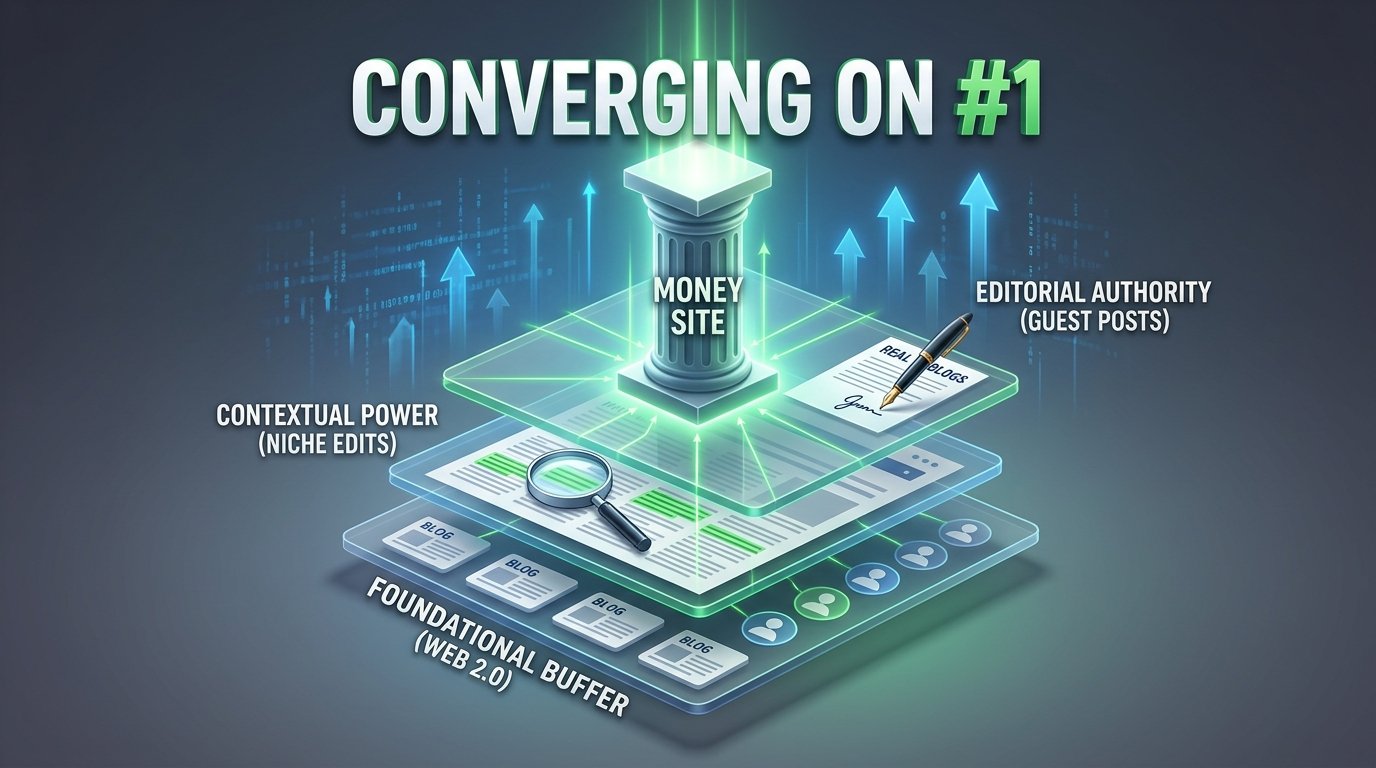
When you invest in structured authority link packages, you aren’t just buying a random URL drop. You are engineering a natural ecosystem of trust signals that Google’s crawlers love. A proper campaign requires a balanced portfolio:
-
Foundational Buffer Properties: Setting up secure, user-generated networks to absorb crawl activity and shield your money site.
-
Contextual Power Injections: Placing links inside aged, indexed articles that already hold historical authority.
-
High-DA Editorial Placements: Securing real guest posts on active sites to drive top-tier topical relevance.
If you want to understand the foundational philosophy of acquiring these assets safely, take a look at my complete guide on how to buy backlinks.

Layer 1: Building Foundational Trust with Web 2.0 Backlinks
Every solid authority campaign needs a rock-solid foundation. Before you point heavy editorial links straight at your money page, you need a buffer layer. This is where web 2.0 backlinks come into play.
Web 2.0 properties are high-authority user-generated content platforms where you can build mini-blogs and content hubs. When executed correctly, they act as safe buffer networks. They pass tiered link juice while keeping your primary domain insulated from aggressive anchor text manipulation.
-
Anchor Text Discipline: Never hammer your exact-match commercial keywords on your foundational tier. Keep exact-match keywords under 10% to 20% of your total profile, leaning heavily on branded terms, naked URLs, and generic variations.
-
Indexation Support: Use secondary indexing tiers to ensure Googlebot actually crawls and counts your buffer properties.
If you want a step-by-step breakdown of how to construct these properties without triggering spam filters, check out my detailed tutorial on how to use web 2.0 sites for backlinks.
Layer 2: Instant Authority via Niche Edits
If you want to bypass the months-long sandbox waiting period, you need contextual power. When you buy niche edits (also known as curated link insertions), your backlink is placed directly inside an existing, aged article that Google has already crawled, indexed, and ranked.
Because the host page has already aged and earned trust in Google’s eyes, the link equity passes almost instantaneously. However, not all niche edits are created equal. Here is my real-world vetting checklist before placing a link on any host site:
-
Real Organic Traffic Floor: The host domain must have a verifiable floor of at least 1,000+ monthly organic visits. If a site has zero traffic, its links carry zero weight.
-
Traffic Trend Check: Look at the traffic graph. If it took a 50%+ nosedive during recent core algorithm updates, skip it—the site is suppressed.
-
Clean Outbound Link Ratio: Ensure the page isn’t a link farm stuffed with hundreds of outbound commercial links.
To see how I source and place these clean contextual links, explore the options available when you buy niche edits.
Layer 3: High-DA Editorial Power Through Guest Posts
Guest posting remains the gold standard of off-page SEO for a reason. Getting a fresh, human-written, contextually relevant article published on an authoritative blog sends massive relevance signals to search engines.
When you buy guest posts, you are paying for content creation, contextual placement, and direct topical endorsement. But remember: relevance is king. If you sell fitness equipment, buying a guest post on a random technology blog looks forced and unnatural to Google’s semantic search filters.
Keep your content hyper-relevant, ensure the article reads naturally for human visitors, and always demand that the content is written by actual humans—never spun AI gibberish.
To secure top-tier editorial placements that actually move the needle, check out my guide on how to buy guest posts.
The Rankers Paradise Transparency Guarantee
One of the biggest problems with the SEO industry is the wall of secrecy. Agencies hide behind vague jargon, fake metrics, and black-box delivery methods.
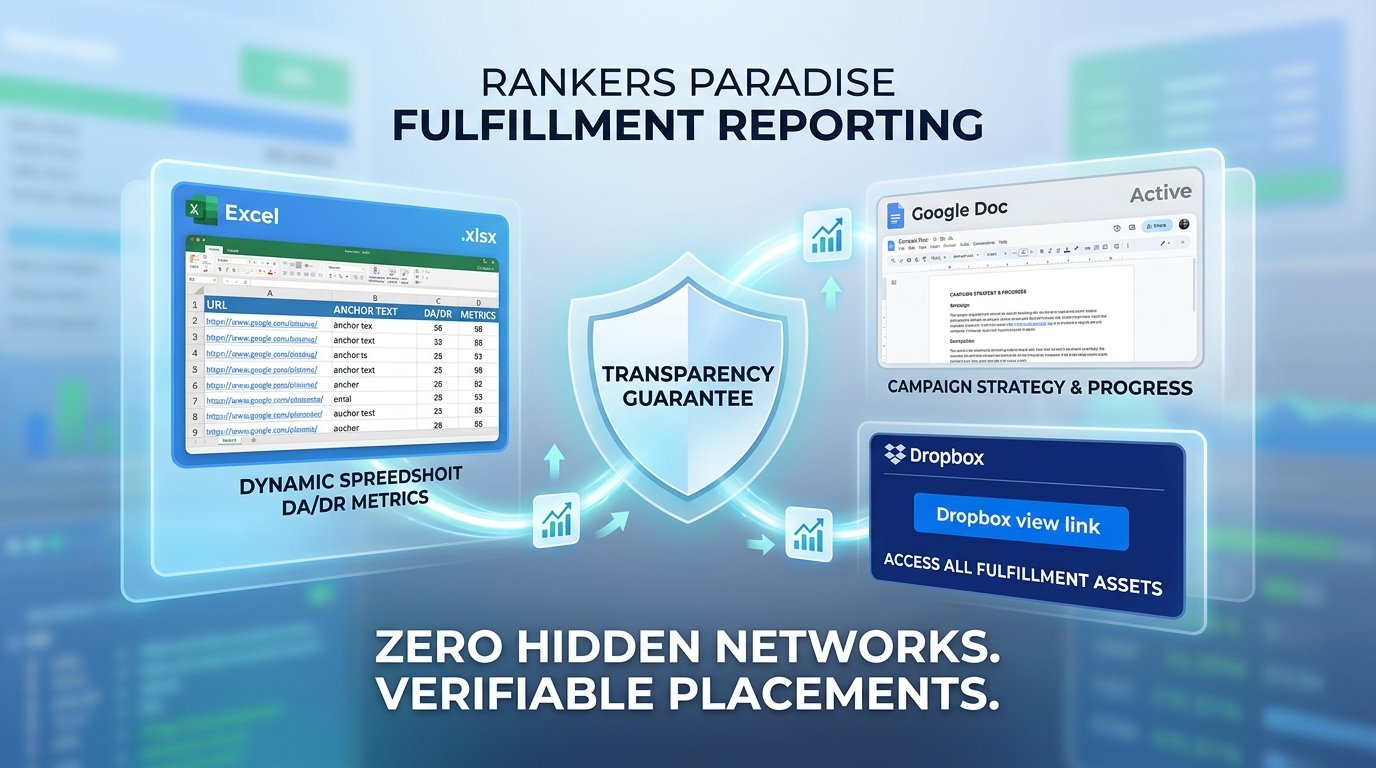
We operate differently. When you order authority link packages from Rankers Paradise, you get total visibility into what is happening. We provide comprehensive fulfillment tracking across accessible formats so you can audit every single live placement yourself:
-
Microsoft Excel Spreadsheet (.xlsx): Detailed breakdown of URLs, anchor texts, and metrics.
-
Google Doc Reports: Clean, organized documentation of campaign progress.
-
Dropbox View Links: Direct access to all supporting campaign assets.
No hidden PBN networks disguised as premium outreach, no fake metrics, and no empty promises. Just clean, hand-vetted links built by someone who has spent over a decade testing what actually works in the trenches.
Summary: How to Put It All Together
Ranking #1 on Google isn’t about finding a magic bullet; it’s about executing a balanced, diversified strategy over time.
-
Optimize Your On-Page SEO First: Never point authority links at a broken, unoptimized page.
-
Build a Natural Anchor Text Mix: Keep commercial anchors low and balance them with brand names and generic terms.
-
Deploy Multi-Tiered Packages: Combine safe Web 2.0 buffer properties, rapid-fire niche edits, and high-DA guest posts into a cohesive monthly campaign.
-
Keep the Link Velocity Steady: Build your links consistently over a 2-to-3-month window rather than dropping them all on day one and stopping.
Stop chasing fleeting trends and start building real authority today.