
If you are running a website, you already know the raw truth about modern search engine optimization: content alone is not going to put you at the top of Google organic SERPs anymore.
You can spend days crafting the most detailed, beautifully formatted article on the internet, but if your competitors have authority pointing at their domains and you have zero, you will sit on page two forever.
That is why site owners look to buy seo backlinks.
When done right, buying links bypasses the grueling, slow-moving grind of traditional outreach and hands you the exact link equity needed to secure top rankings. But when done wrong, it burns your budget and invites algorithmic penalties.
Over the last ten years testing link-building strategies right here on Rankers Paradise, I have seen every shortcut, trick, and penalty trap in the book. This deep-dive guide strips away the textbook fluff and shows you how to safely buy backlinks, what metrics actually move the needle, and how to plug those rankings directly into a commercial sales funnel.
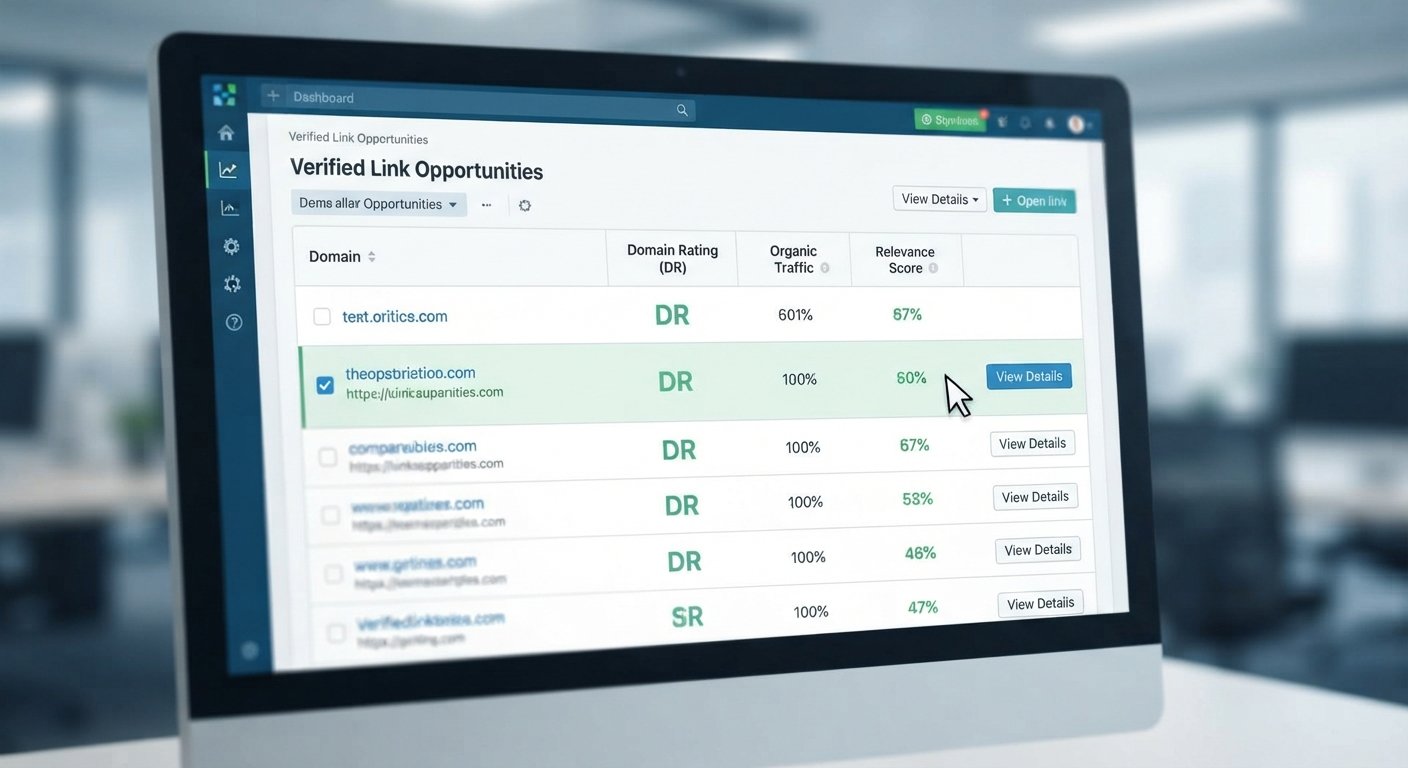
Why You Need to Buy SEO Backlinks
Let’s be honest with each other. Manual outreach—sending out thousands of personalized emails begging for links—has a success rate hovering near zero unless you are a household media brand. Webmasters get bombarded with dozens of spammy guest post pitches every single day. They either ignore them, send them to the trash, or reply asking for extortionate fees for a single low-quality drop.
Buying backlinks changes the equation. It gives you:
-
Predictable Turnaround Times: You know exactly when your links will go live and when the link juice will start flowing into your target URLs.
-
Control Over Anchor Text Profiles: You decide whether your anchor text ratio needs exact-match variants, branded anchors, or naked URLs to keep your profile entirely natural.
-
Access to Aged Assets: Instead of waiting years for a brand-new domain to build natural authority, you can acquire contextual power from established blogs that already possess historical trust in Google’s eyes.
Of course, rushing out to buy the cheapest links on Fiverr or sketchy public forums is a fast track to disaster. You need a structured approach. Before you spend a dime, make sure you understand the baseline mechanics outlined in our foundational guide on how to buy backlinks.
The Core Types of Backlinks You Can Buy
Not all links carry the same weight. If someone tries to sell you a bulk package of ten thousand profile links for five dollars, run away. Those are dead-end spam footprints that Google filters out instantly.
To rank #1, your campaign needs a tiered structure or a mix of heavy-hitting contextual placements. Here are the three primary service types worth paying for:
1. Guest Posts
Guest posting involves placing an original, niche-relevant article onto an established third-party website with a permanent contextual link pointing back to your money page.
-
Why it works: It is completely white-hat in appearance, highly relevant, and passes maximum editorial link juice.
-
Where to look: Always verify organic traffic trends rather than relying purely on third-party metrics like Domain Rating (DR) or Domain Authority (DA). A site with real, stable organic traffic is worth ten times more than an inflated metrics site with zero human visitors. Explore our vetted options directly through our buy guest posts store collection.
2. Niche Edits (Contextual Link Insertions)
Instead of writing a brand new article from scratch, a niche edit places your link inside an existing, already-indexed blog post that has already aged on Google.
-
Why it works: Age matters. Google already trusts the ranking page because it has lived on the index for months or years. Your link inherits that existing trust instantly.
-
Where to look: Ensure the host post matches your exact sub-niche. Check out our high-retention packages over at buy niche edits to see how we handle safe contextual placements.
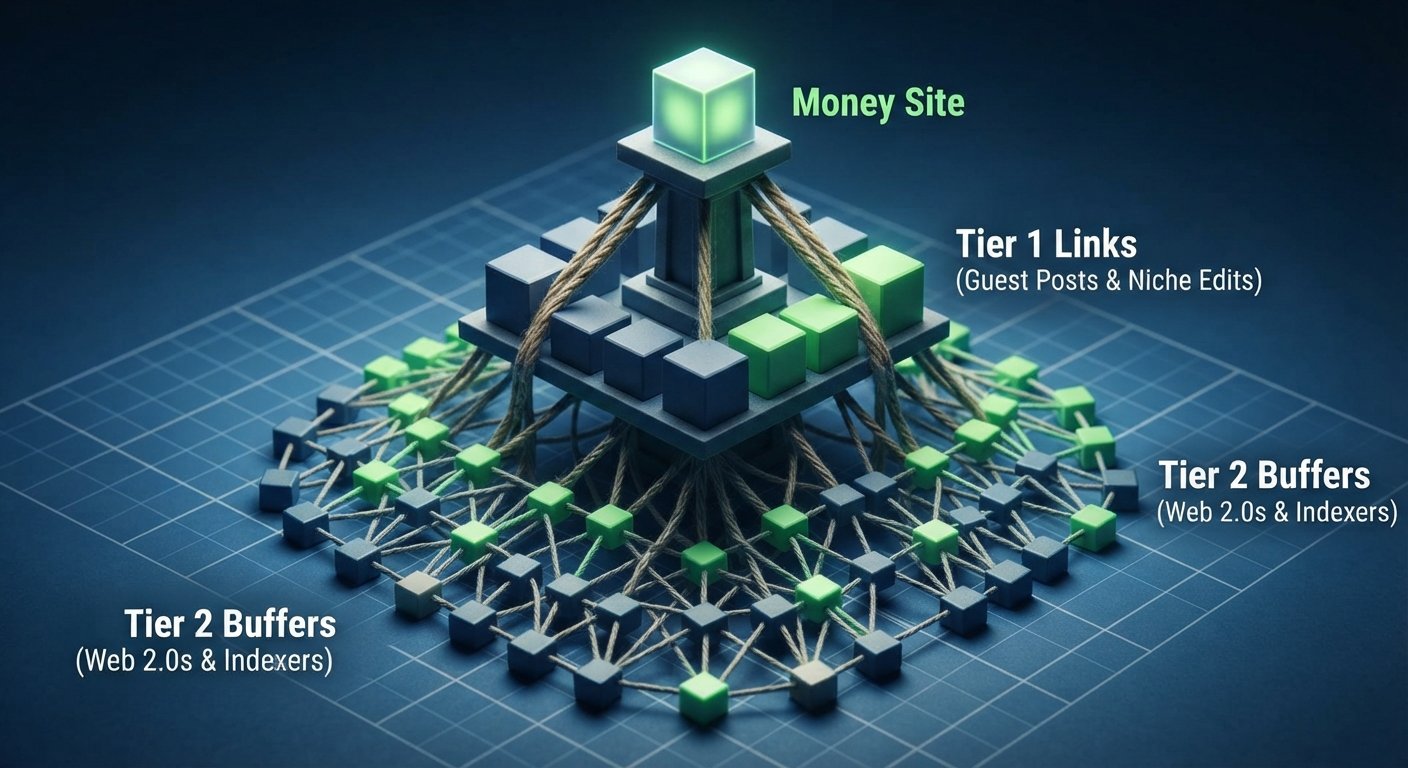
3. Tiered Link Networks (Web 2.0s & Buffers)
If you want to push power safely to your money site or drive fast indexing for your primary tier-one links, building out a buffer layer is essential.
-
Why it works: You retain total control over the assets. You can build out tiered link pyramids using high-authority properties.
-
How to execute: If you prefer a hands-on approach to building your own buffer tiers before pushing juice upward, read our step-by-step tutorial on how to use web 2.0 sites for backlinks.

How to Safely Buy Backlinks Without Triggering Algorithmic Penalties
Google’s spam algorithms are sharper than ever. If you buy links carelessly, you will watch your keyword rankings drop overnight. Protect your digital real estate by sticking to these strict rules:
-
Never Over-Optimize Your Anchors: If your target keyword is “buy seo backlinks,” do not make every single purchased link use that exact match text. Keep exact-match anchors under 5% to 10% of your total profile. Mix in branded anchors (e.g., Rankers Paradise), URL anchors (e.g., https://rankersparadise.com), and generic terms (e.g., click here or read this guide).
-
Prioritize Thematic Relevance: A link from a pet care blog pointing to an industrial software site looks unnatural. Stick strictly to your niche or closely related broad categories.
-
Inspect the Indexation: A backlink stored on a page that Googlebot refuses to crawl or index is completely useless. Always confirm that your link providers ensure proper indexation and verification.
Frequently Asked Questions About Buying SEO Backlinks
Are purchased backlinks safe for a brand-new website?
If you blast a brand-new domain with thousands of low-grade commercial links on day one, you will trigger a filter. However, if you start slow with contextual tier-two buffers and gradual, high-authority niche edits or guest posts, even fresh domains can rank safely.
How many backlinks do I need to reach page one?
It entirely depends on your keyword’s SEO competition. If you target low-competition commercial terms using the strategies detailed in our free backlinks guide, you will need far fewer links than someone trying to rank for ultra-competitive global financial keywords.
How long does it take to see ranking improvements after buying links?
Once Googlebot crawls the new placement and recalculates the page’s link equity, you typically notice movement within two to four weeks. Real, stable algorithmic adjustments settle in around the 60-to-90-day mark.
Stop Guessing and Start Ranking
Waiting around for organic links to roll in naturally is a slow strategy that leaves money on the table. If you want to take control of your traffic, outrank your competitors, and drive active buyers straight to your checkout pages, you need a reliable link acquisition plan.
Explore our proven, tested link-building packages today and let us do the heavy lifting for your rankings.