
If you have been in the SEO trenches for more than five minutes, you already know how most link-building marketplaces operate. You land on some flashy digital storefront, drop a few hundred dollars on a bulk package of links, and wait. What happens next? Absolute silence. Your rankings stay glued to page two, your indexation rates hover near zero, or worse, you check your backlink profile a month later and find that half the links have been nuked by automated spam filters.
I’ve been running tests and building networks here at Rankers Paradise for a decade. Back in 2016, when I published my first guide on how to use web 2.0 backlinks, the game was entirely different. You could spin up a basic sub-domain, drop a spun article with a naked URL, and watch Google crawl it within hours.
Today? Algorithms are smarter, and search engines instantly sniff out automated garbage. If you are looking for a reliable Web 2.0 store that actually delivers structural authority, context, and long-term index stability, you need to understand what separates a high-tier asset from a disposable footprint.
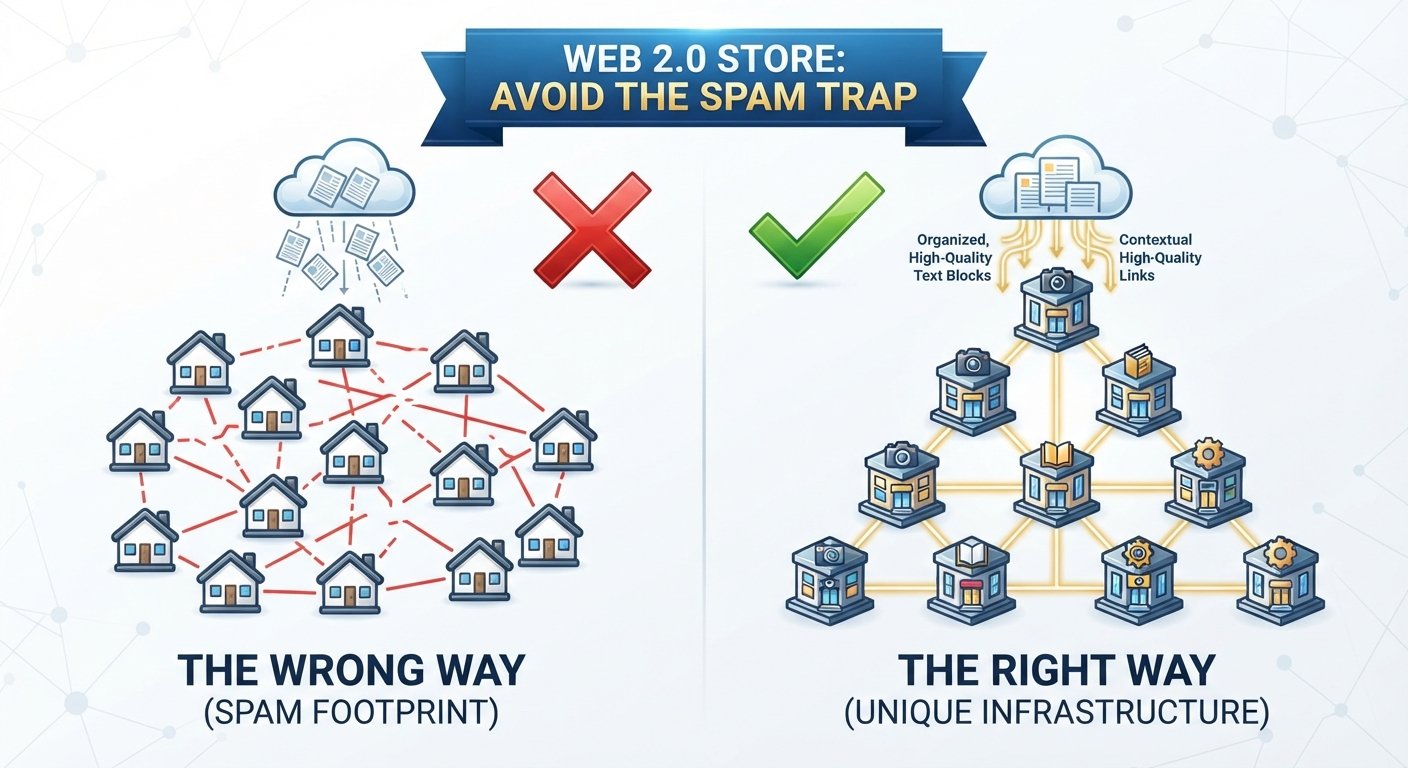
The Broken State of Most SEO Marketplaces
Let’s be completely honest. The internet is flooded with low-tier link brokers who treat Web 2.0s like a numbers game. They rely on cheap scripts to blast out hundreds of automated subdomains across platforms that haven’t seen an active human visitor since the Obama administration.
What do you get in that kind of store?
-
Zero Editorial Oversight: Content written by bottom-of-the-barrel AI models that reads like absolute gibberish.
-
Instant De-indexing: Links that get indexed for a week before Google’s automated filters recognize the footprint and wipe them from the index.
-
Zero Juice Transfer: Because the parent domains lack trust and the inner pages have no internal linking architecture, the link equity dies before it ever reaches your money site.
When you buy backlinks, you shouldn’t be gambling your hard-earned marketing budget on algorithmic landmines. You need real, battle-tested assets built with precision.
What to Look for in a Professional Web 2.0 Store
If you want off-page SEO that moves the needle without risking a manual penalty, your link acquisition strategy needs to mirror natural human behavior. When I build or manage networks for client campaigns, we don’t cut corners.
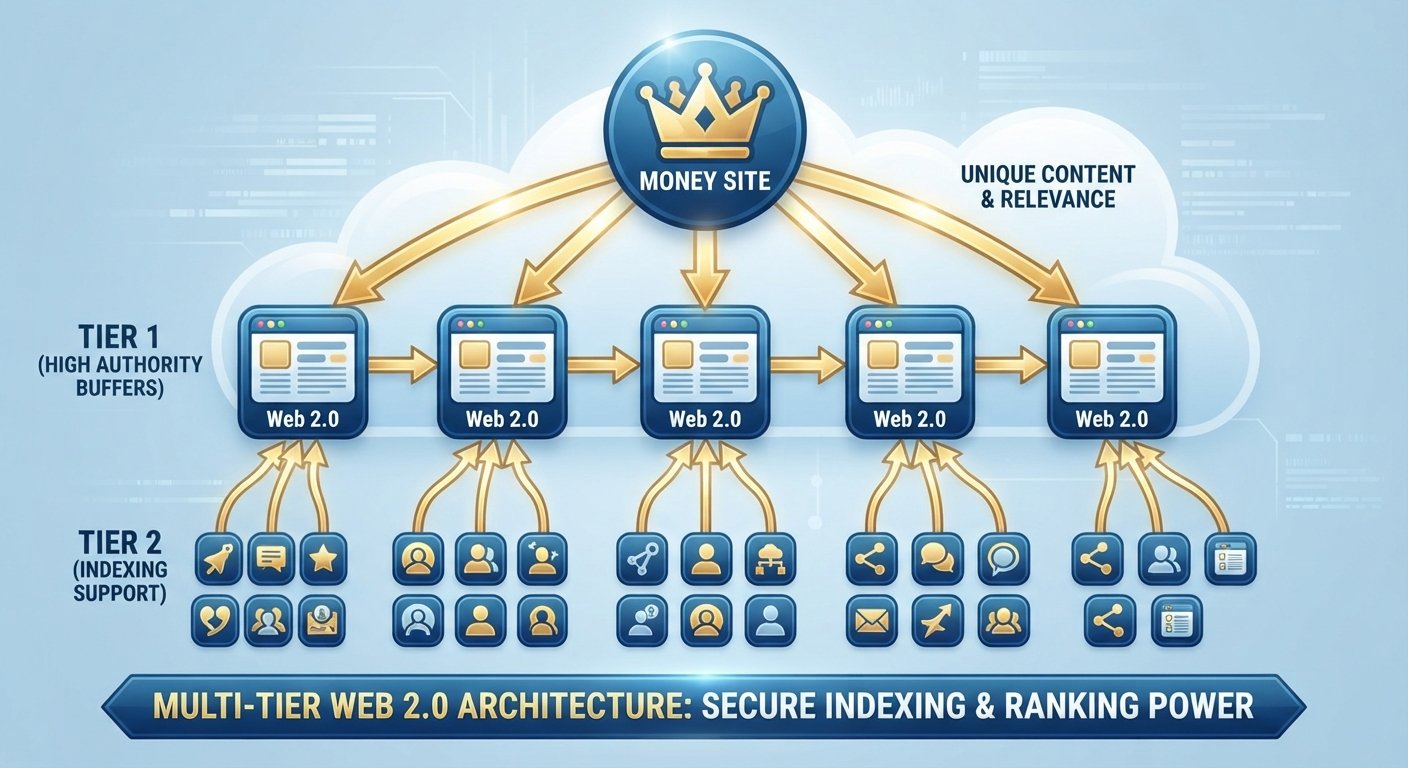
Here is what a proper, high-end Web 2.0 store must provide:
1. Unique Account Infrastructure and Footprint Control
You cannot scale link building by using the same template for every single property. A legitimate provider ensures that accounts are registered with clean, randomized profiles, distinct email registration trees, and staggered creation dates. This eliminates the programmatic footprint that search engine spiders look for when identifying manipulative networks.
2. Contextual Relevance and Readable Content
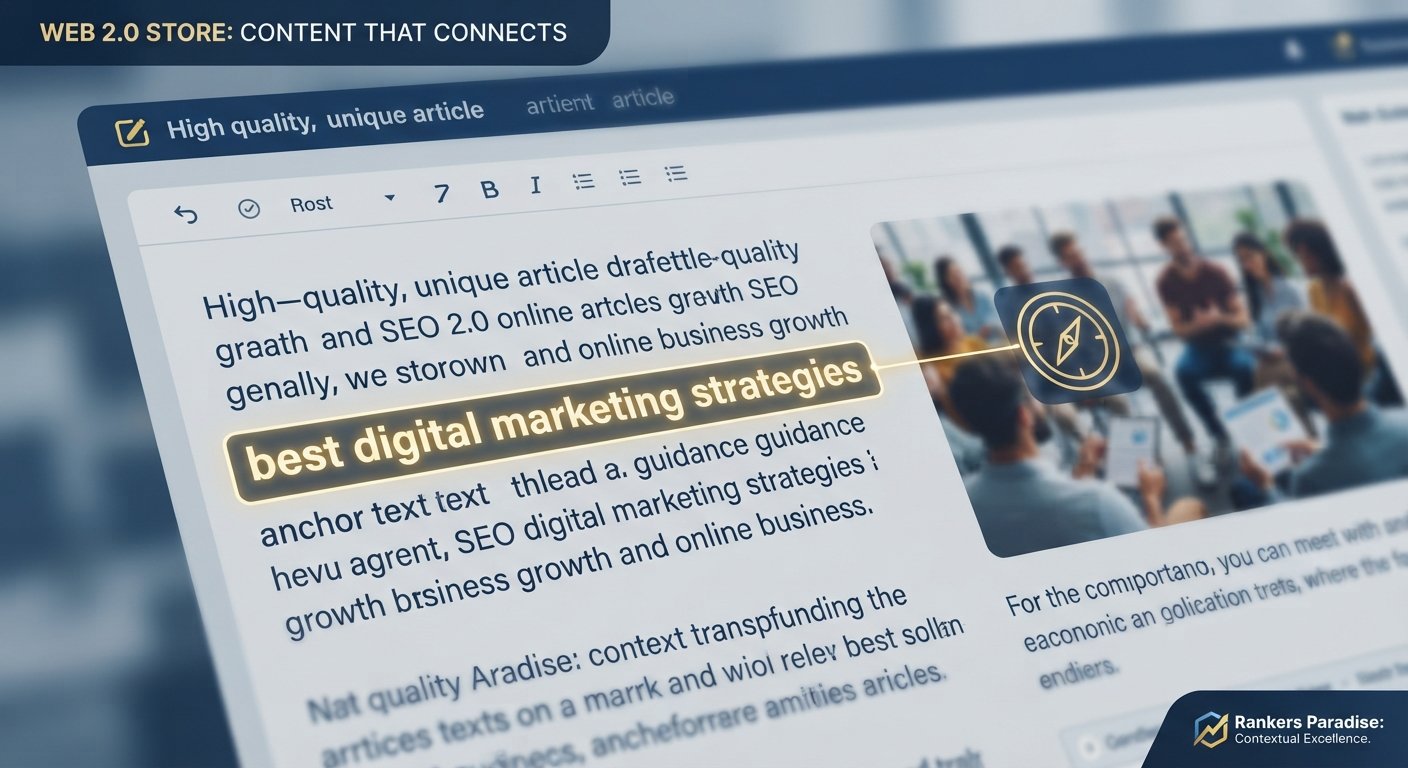
A backlink sitting on a blank page with three sentences of spun text is useless. The article surrounding your link must match your niche, provide genuine contextual value, and read naturally. If a user lands on that buffer page, it should look like a legitimate, standalone blog post—not a transparent doorway page built solely for search engines.
3. Multi-Tier Link Architecture (The Secret to Indexing)
Getting a Web 2.0 property live is only half the battle. Getting Google to crawl and index it consistently is where most people fail. We solve this by feeding authority directly into our properties using structured tier-two link pyramids. If you want to dive deeper into how this works from a foundational standpoint, check out this comprehensive resource on free backlinks and how to structure your own outreach.
Web 2.0s vs. Other Power Links: Where Should You Spend Your Budget?
When structuring an aggressive off-page campaign, Web 2.0 properties shouldn’t be your only weapon—they are your foundational buffer layer. To build a bulletproof rank-tracking profile, you need a balanced mix of contextual assets.
-
Web 2.0 Networks: Perfect for controlling anchor text distribution, driving tier-one relevance, and buffering your money site from aggressive anchor ratios. If you want to master the structural mechanics, review this detailed breakdown of the classic web 2.0 link wheel.
-
Niche Edits: If you want aged authority that passes juice instantly from established pages already ranking in Google, you should buy niche edits. This allows you to tap into existing index equity without waiting for new domains to mature.
-
Guest Posts: For high-intent commercial terms and authoritative brand mentions, nothing beats securing fresh, high-context content on real sites in your industry. When executed correctly, you can safely buy guest posts to compound your site’s topical trust.
For external reading on how modern search engines evaluate semantic authority and link graphs, you can also reference resources like Search Engine Journal’s Link Building Guide to understand industry benchmarks on anchor text diversification.
Stop Guessing. Start Ranking.
You don’t need another theoretical blog post telling you that content is king. If you have the content, but your commercial pages are stuck on page two or three, off-page authority is the missing puzzle piece.
Skip the trial and error of unverified platforms, avoid the burn of dead links, and get your campaigns handled by someone who has been in the trenches for a decade.
Head straight over to the Rankers Paradise Shop and explore our proven, battle-tested inventory. Pick the package built for your niche, and let us handle the heavy lifting while you watch your organic rankings climb.