
If you have been following my work here at Rankers Paradise for a while, you know I like to stay several steps ahead of the curve. While the rest of the SEO community is still arguing over whether traditional link building is dead or alive, I am already testing what comes next.
If you want to rank #1 in the Google organic SERPs, you cannot just copy what worked five years ago. Back in the day, you could buy a batch of cheap directory links or spam a few forum profiles, and your rankings would climb. Those days are gone. Today, Google’s algorithms—and the massive Large Language Models powering modern search queries—look at the web through an entirely different lens. They look at entities, semantic proximity, and training corpora.
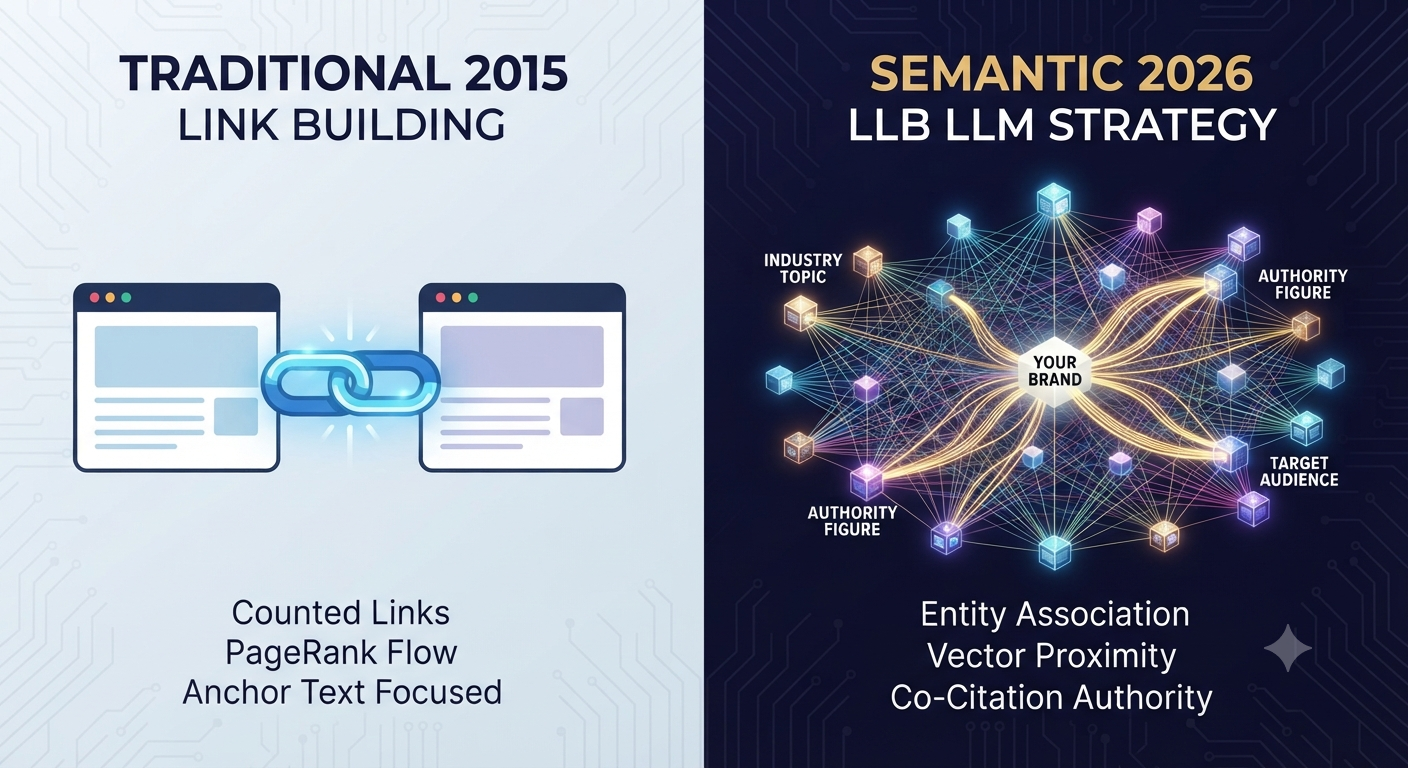
If you want to future-proof your digital assets and dominate futuristic search queries, you need to understand how to buy semantic entity mentions and LLM training backlinks.
In this comprehensive guide, I am going to break down what this means, why traditional link building alone is no longer enough, and how you can acquire these advanced authority signals safely and effectively.
What Are Semantic Entity Mentions and LLM Training Backlinks?
To understand this new frontier, we first need to look at how modern search engines and AI search agents process information.
Traditional SEO taught us that a backlink is simply a vote of confidence. If Website A links to Website B with an exact-match anchor text, Website B gets a boost in PageRank. That model still holds some weight, but it is incomplete.
Modern search infrastructure uses Retrieval-Augmented Generation (RAG) and massive vector databases. When a search engine or an AI model processes a piece of content, it does not just count links; it extracts entities (people, brands, concepts, and locations) and analyzes how those entities relate to one another in a vast mathematical space.
-
Semantic Entity Mentions: These are references to your brand, product, or core subject matter embedded within deeply relevant, context-rich content. Even without a clickable hyperlink, the co-occurrence of your brand name next to key industry terms builds massive authority within Google’s Knowledge Graph.
-
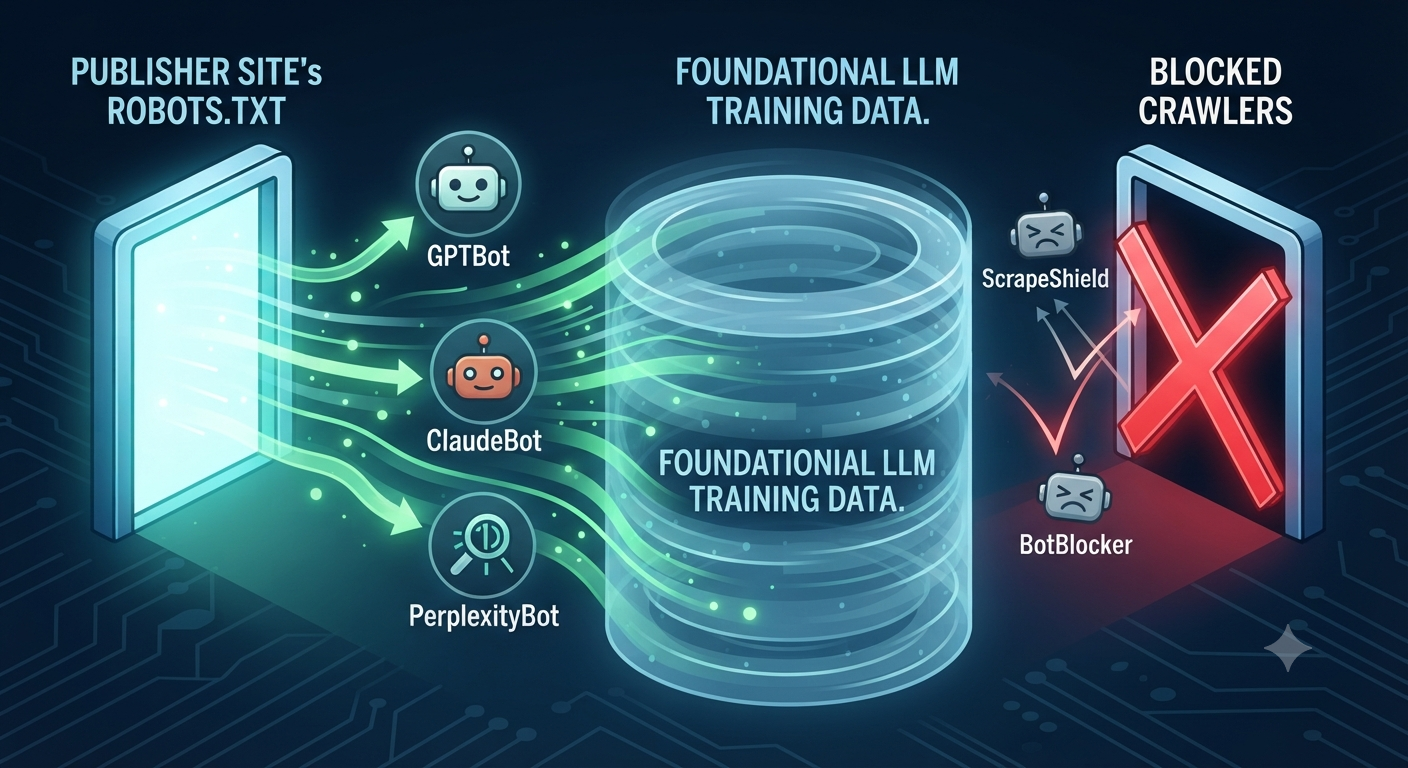
LLM Training Backlinks: These are contextual placements on publisher websites, high-authority archives, and structured Web 2.0 properties that are actively scraped and ingested into foundational AI training datasets (such as OpenAI’s GPTBot, Anthropic’s ClaudeBot, and Perplexity’s crawler). When these AI models crawl a site, they read the hyperlink and the surrounding context, treating that link as a verified semantic bridge between two concepts.
If you are looking to scale your off-page campaigns properly, you can read my core breakdown on how to buy backlinks to understand the baseline fundamentals before layering on these advanced AI concepts.
Why Traditional Link Buying Falls Short in Modern SERPs
Let’s be completely honest with ourselves. If you buy cheap, low-quality links from automated networks, your site might see a temporary spike, but it will eventually stall out or get caught in a spam filter.
If you want to see what happens when a site is hit or how to clean up a messy profile, you should check out my guide on how to perform a comprehensive backlink audit.
Traditional link buying fails in modern search environments for three major reasons:
-
Lack of Semantic Context: Dropping a link on an unrelated site tells the algorithm nothing about what your brand actually is. If you sell running shoes and you buy a link on a random gaming blog with zero contextual bridge, the AI vector graph ignores the connection as noise.
-
The
robots.txtBlindspot: Many low-tier blog networks block AI scrapers to save on bandwidth. If an AI crawler cannot access the page where your link lives, that backlink contributes zero value to your brand’s presence in AI Overviews or LLM-driven chat answers. -
Missing Entity Validation: Search engines want to see that your brand is recognized as an authoritative entity across multiple trusted nodes on the internet, not just pointed to by a single isolated anchor text.
To fix this disconnect, you need a multi-layered approach that combines traditional link equity with modern entity signals. For a deep dive into structuring these secondary assets safely, take a look at my tutorial on how to use web 2.0 sites for backlinks.
How to Properly Buy Semantic Entity Mentions and LLM Backlinks
Acquiring these advanced digital assets requires a strategic shift in how you evaluate link sellers, guest post opportunities, and private blog networks. You cannot just look at Domain Rating (DR) or organic traffic metrics anymore. You have to look at crawlability, topical relevance, and semantic depth.
Here is my step-by-step framework for executing this strategy successfully:
Step 1: Audit the Publisher’s AI Crawler Accessibility
Before you spend a single dollar on a guest post or a contextual placement, check whether the host domain permits AI scrapers.
-
Look at the site’s
robots.txtfile (e.g.,[domain.com/robots.txt](https://domain.com/robots.txt)). -
Ensure they have not blocked
GPTBot,ClaudeBot, orPerplexityBot. -
If a site blocks AI scrapers, your bought backlink will remain completely invisible to modern LLM citation engines, neutralizing half of its potential value.
Step 2: Focus on Co-Citation and Entity Proximity
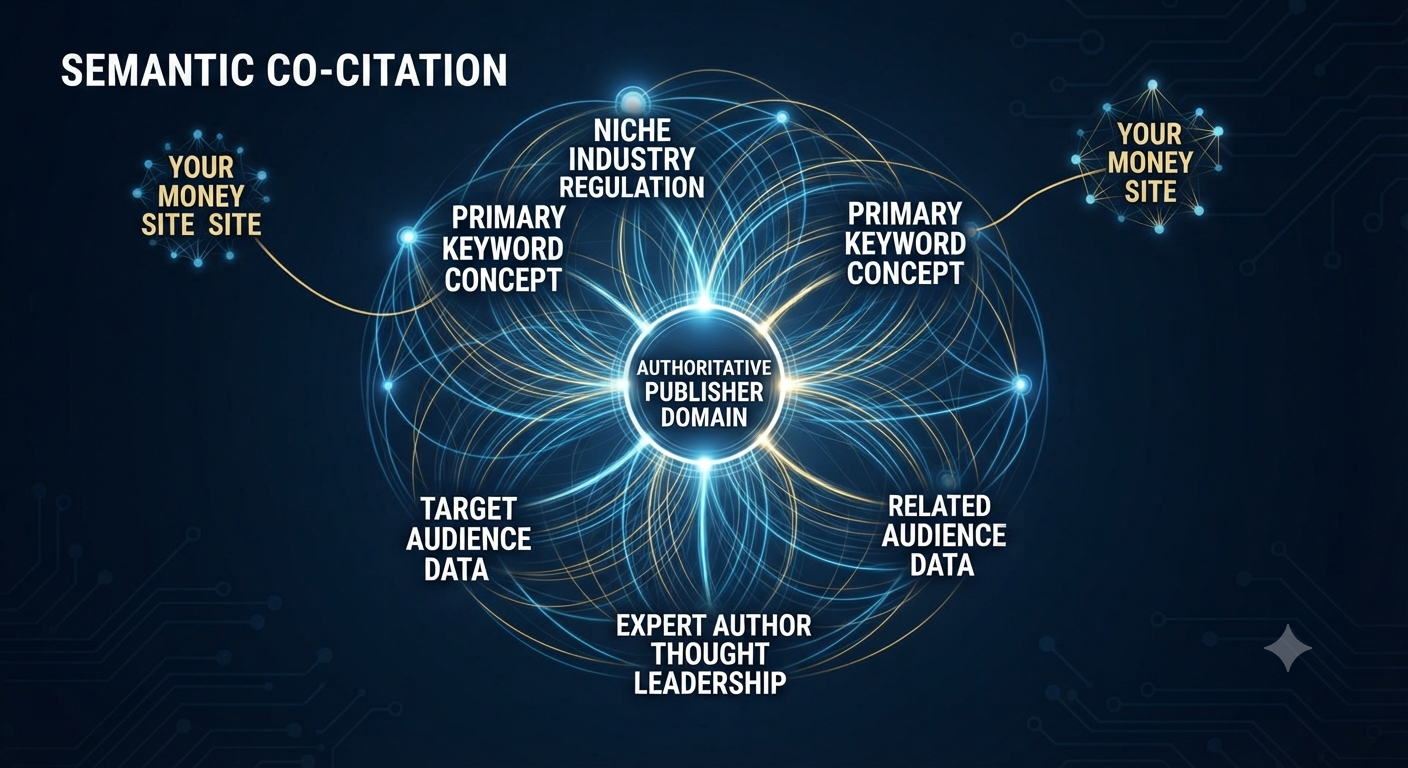
When writing or commissioning the content for your backlink placement, do not obsess solely over your target keyword. Instead, focus on surrounding entities.
-
If your website is in a competitive niche—such as the highly regulated online entertainment sector, which I analyzed in detail within my iGaming SEO case study—your content must naturally mention industry terms, regulatory standards, and brand names.
-
Ensure the author bio, the paragraphs preceding your link, and the concluding statements mention related sub-topics. This creates a dense semantic web that makes it easy for Google’s NLP (Natural Language Processing) models to understand your brand’s core identity.
Step 3: Layer Your Placements with Tiered Web 2.0 Properties
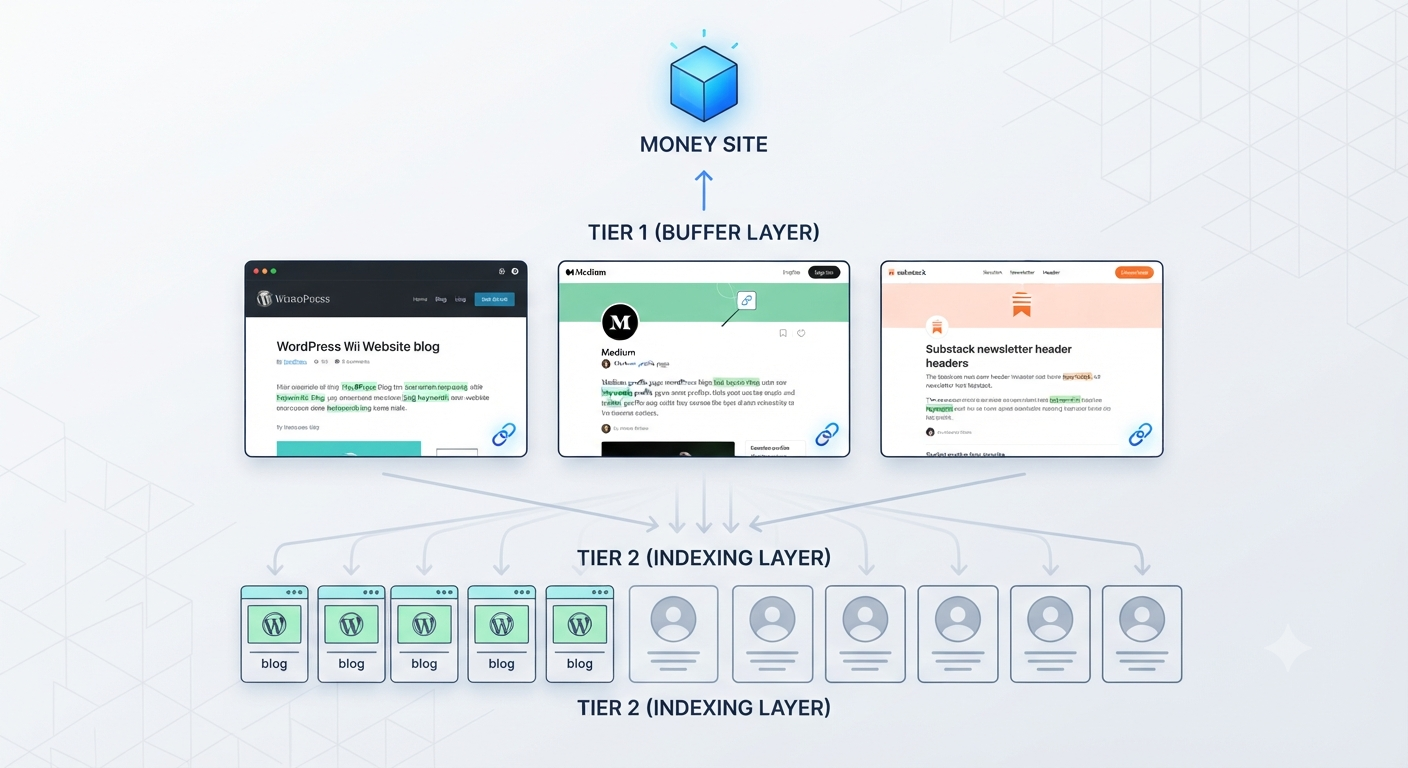
To make your bought semantic entity mentions stick and pass maximum authority to your money site, you should support them with structured tier-one buffer assets.
-
Build out verified, branded profiles on high-authority subdomains.
-
Ensure these properties feature unique, helpful content rather than low-quality spun paragraphs.
-
For advanced tips on keeping these buffer properties safe and effective, read through my recent breakdowns on AI Entity Trust Signals in Web 2.0 Backlink Indexing and my guide on how to build branded Web 2.0 entities for AI search citations.
Key Strategies to Ensure Your Campaign Ranks #1
To guarantee that your content ranking for this long-tail keyword climbs straight to the top of the Google organic SERPs, you must execute clean on-page optimization while delivering unmatched informational depth.
-
Satisfy Search Intent Instantly: Readers searching for advanced link-building methodologies want clear, actionable advice without fluff. Give them exact steps, clear definitions, and a forward-looking perspective.
-
Leverage Internal Linking: Guide your readers through your site architecture naturally. Connect your advanced off-page tutorials with foundational guides, such as my breakdown on how to index web 2.0 backlinks without paid indexers and my analysis of how to choose anchor text when buying backlinks.
-
Monitor Your Progress: Keep a close eye on your search console metrics. If you notice indexing fluctuations after core algorithmic updates, refer to my troubleshooting guide on how to fix web 2.0 backlink indexation drops after Google spam updates.
Conclusion
Search engine optimization does not stand still for anyone. The methods that worked yesterday will not sustain your rankings tomorrow. By shifting your focus from traditional, blunt-force link building toward semantic entity mentions and LLM training backlinks, you position your website at the bleeding edge of search technology.
Take action on these strategies today, build your digital assets with semantic depth in mind, and watch your website dominate the Google organic SERPs for years to come.