
If you have been following my work here at Rankers Paradise for a while, you know I like to stay several steps ahead of the curve. While most digital marketers are still stuck arguing over traditional link-building metrics, domain ratings, and standard guest posts, the entire landscape of organic search is shifting beneath our feet.
Generative AI search engines, multi-layered agentic workflows, and automated knowledge synthesizers are taking over the SERPs. If you want to keep your rankings high, secure long-term traffic, and dominate Google’s changing ecosystem, you need to understand how the future works before your competitors even realize the game has changed.
I am going to show you exactly how to buy LLM citation backlinks for generative engine optimization step-by-step. If you want to master this emerging frontier, protect your off-page strategy, and future-proof your digital marketing efforts, read this guide from start to finish.
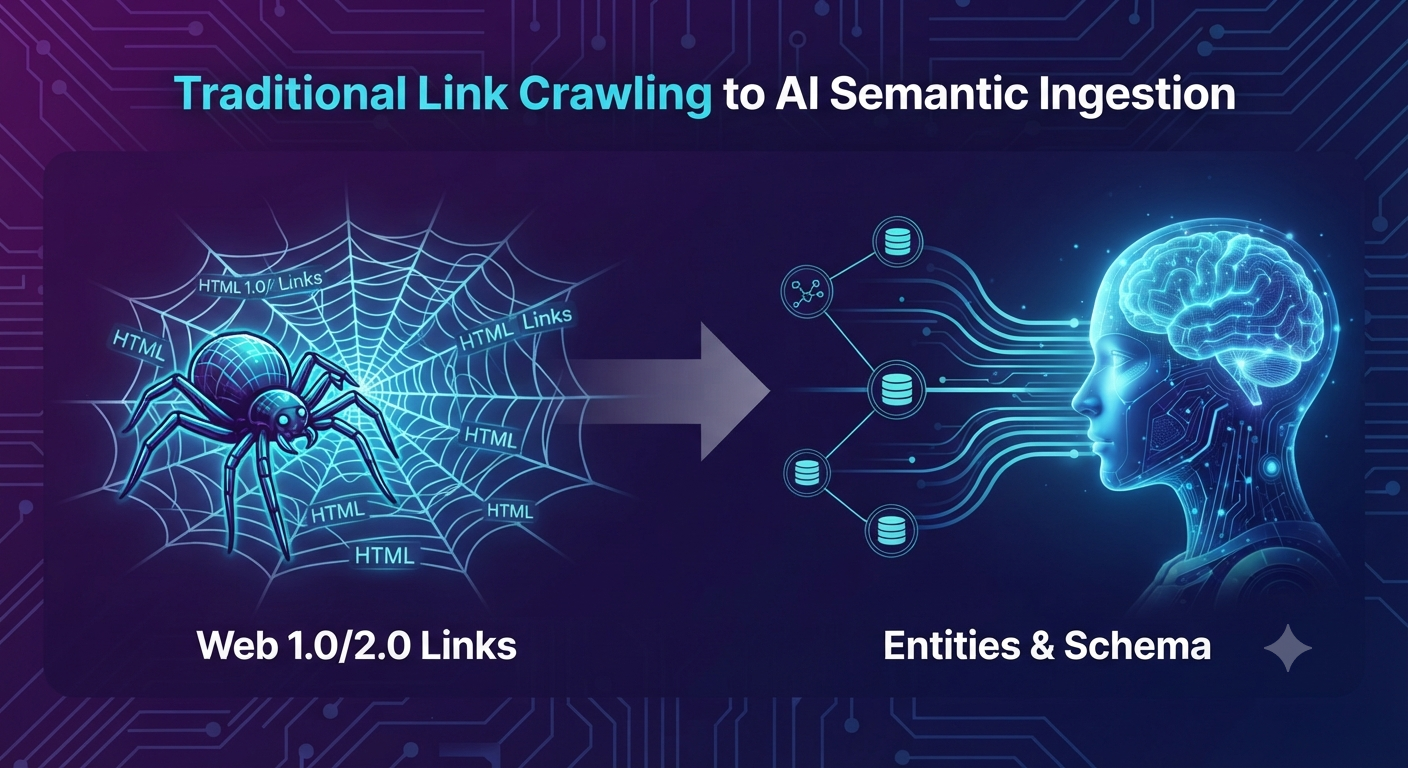
What Are LLM Citation Backlinks and Why Do They Matter?
For over two decades, search engine optimization was simple to understand on a fundamental level: searchers typed keywords into a search box, Google crawled the web via hyperlinks, and PageRank flowed from one webpage to another through HTML anchor text.
If you wanted to learn how to buy backlinks safely, you looked for relevant sites, checked their organic traffic, and built contextual links.
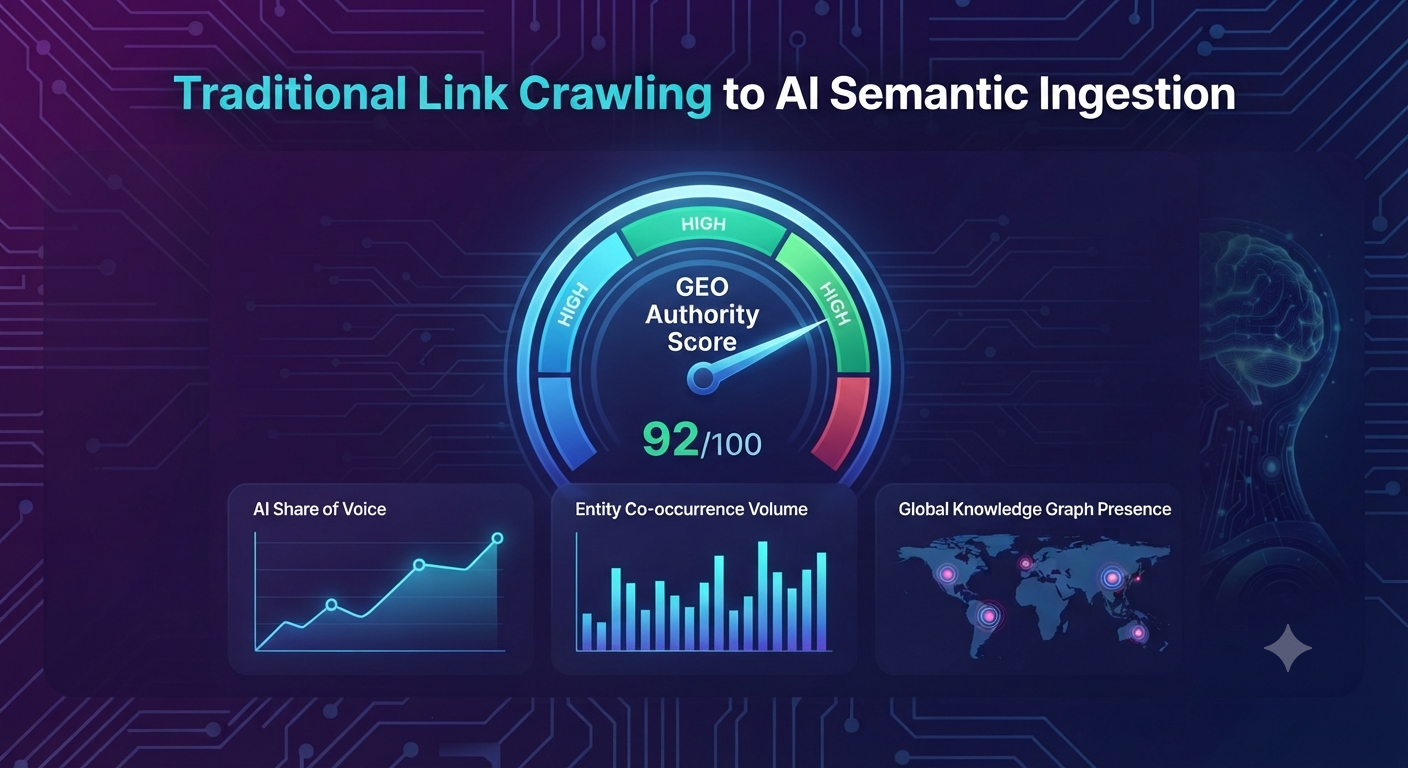
Today, generative engines don’t just read hyperlinks—they parse vector embeddings, semantic relationships, and structured entity knowledge graphs. When an AI model generates an answer inside an AI Overview or a conversational query response, it doesn’t just “follow” a link. It cites a trusted source based on semantic authority and data-feed prominence.
An LLM citation backlink is essentially a machine-readable reference, a structured API mention, or a high-authority contextual entity placement inside datasets that large language models ingest during training, fine-tuning, or real-time Retrieval-Augmented Generation (RAG).
If you are looking at how this fits into broader modern frameworks, you might want to review how to build web 2.0 backlinks as foundational tier networks, or look at how niche-specific authority is built by studying our iGaming SEO case study to see how aggressive entity structuring delivers results in tough markets.
The Core Shift: From Anchor Text to Entity Co-Occurrence
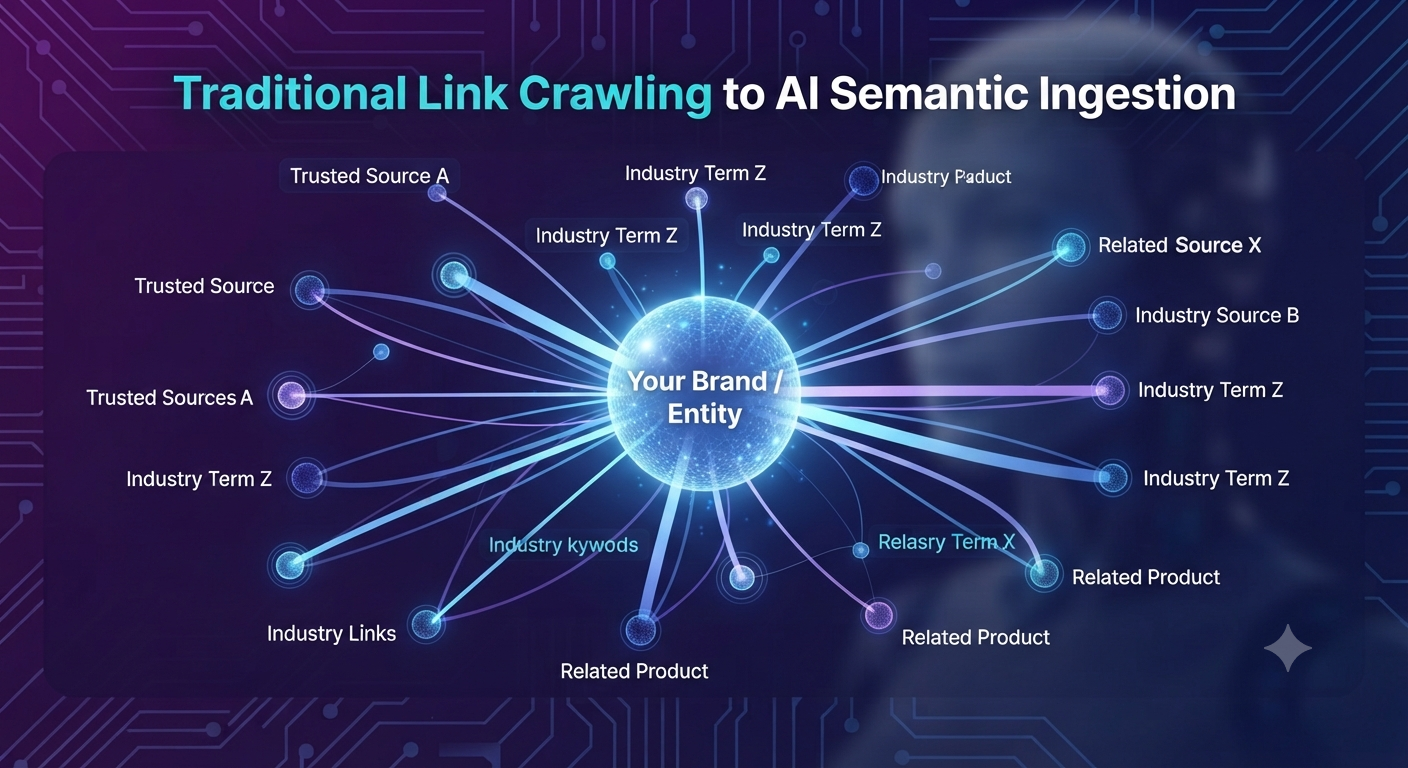
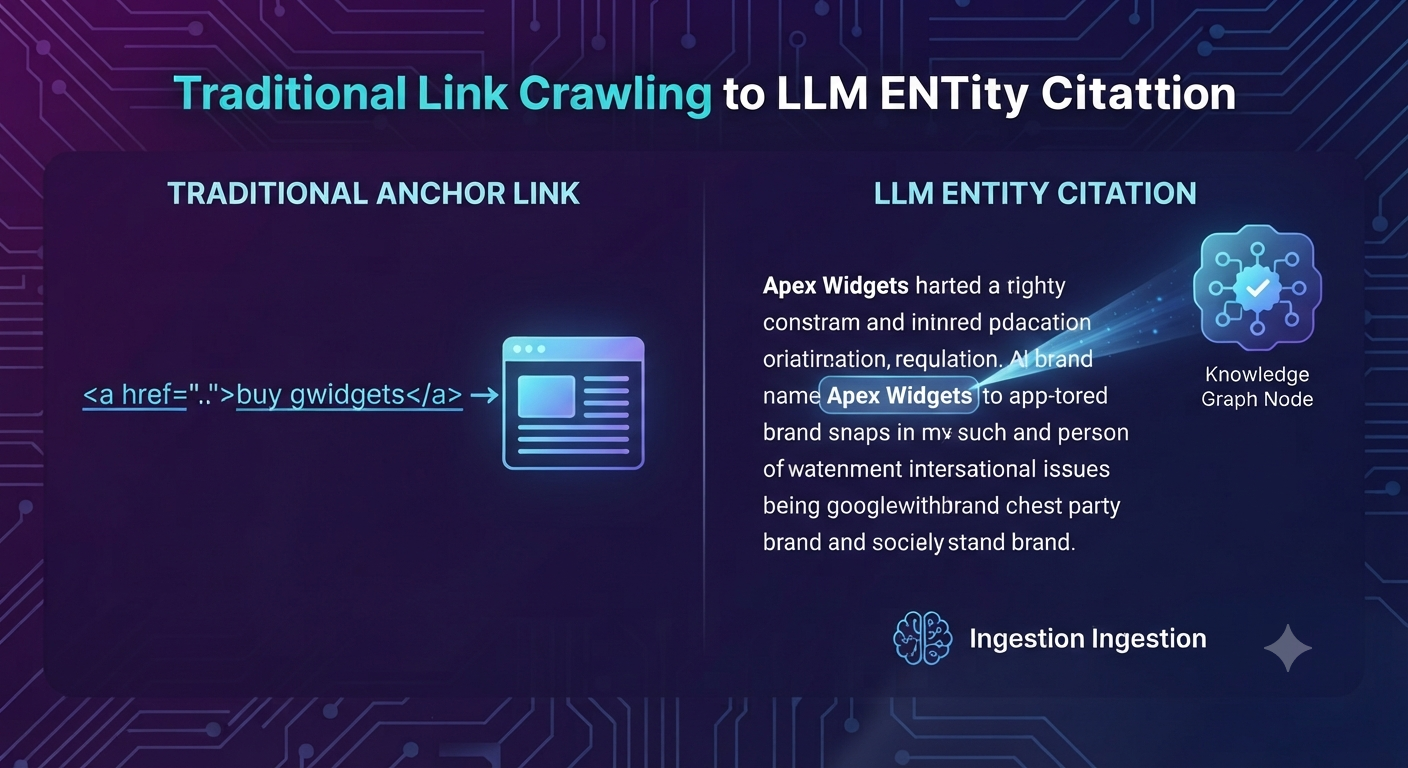
In traditional link building, you obsess over exact-match anchor text ratios to tell Google bot what keyword your page is about. In the world of generative engine optimization (GEO), exact-match anchor text is secondary to entity co-occurrence.
When you buy traditional links, you look for a dofollow anchor pointing to your money page. When you secure an LLM citation backlink, the objective is to have your brand name, product, or proprietary framework mentioned alongside universally recognized industry terms within high-trust documents that AI web scrapers crawl daily.
If you want to understand how these advanced asset layers connect, take a look at our guide on how to build branded web 2.0 entities for AI search citations. It explains how to structure subdomains so that AI bots recognize them as legitimate brand properties rather than cheap spam footprints.
Step-by-Step: How to Buy LLM Citation Backlinks Safely
If you are ready to invest in this futuristic link strategy, you cannot approach it like a standard PBN or low-quality blog network purchase. You have to treat every asset like a trusted data node. Follow this exact workflow to build your generative optimization profile:
Step 1: Target Semantic Knowledge Bases and Industry Data Hubs
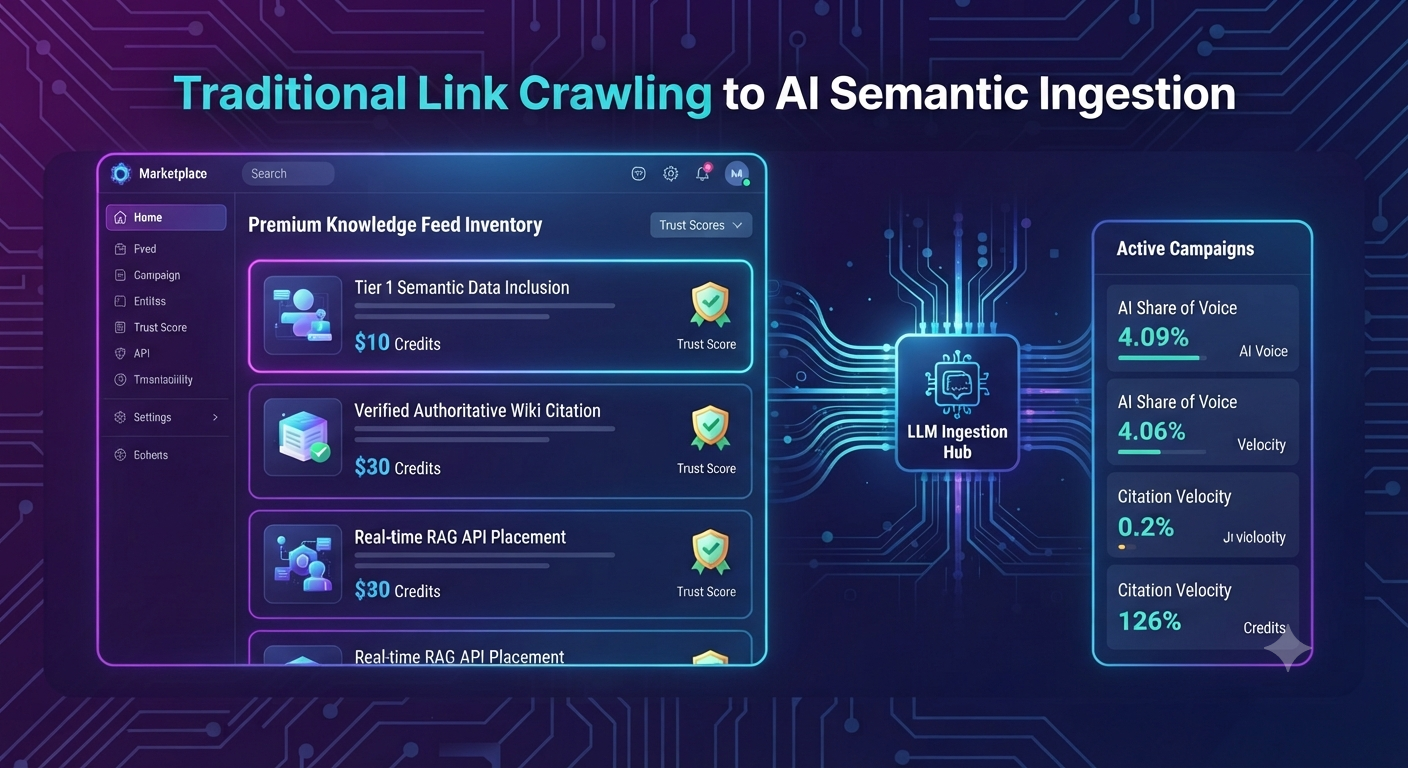
Traditional link sellers offer blog comments and low-tier forum spam. That stuff is dead. To secure citation power for LLMs, you need placements on sites that act as reference hubs for automated crawlers—such as structured industry wikis, data repository aggregators, and high-tier digital PR distributions that feed real-time RSS and news vectors.
Step 2: Structure Your Tiered Framework
Just like we build multi-layered link structures, your generative optimization strategy needs depth. You can read more about balancing your approach by checking out our breakdown on Web 2.0 backlinks vs cloud stacking. Combining tiered properties with verified entity signals ensures that when an AI crawler hits your network, it finds a complete web of connected brand data.
Step 3: Embed Contextual Schema and API Readiness
When you buy citation placements or guest posts designed to feed AI models, make sure the target page utilizes robust JSON-LD schema markup. AI agents rely heavily on structured data objects (Organization, Product, FAQPage) to verify who owns the content. If your backlink source page lacks proper schema, the LLM parser will struggle to attribute the citation equity back to your main domain.
For a deeper dive into making sure your link properties stay visible to search bots, check out our tutorial on how to index web 2.0 backlinks without paid indexers.
Common Mistakes to Avoid When Buying AI-Era Backlinks
Whenever a new SEO trend emerges, scammers pop up overnight promising “AI-guaranteed rankings” or “instant generative citations.” Keep these rules in mind to protect your budget:
-
Don’t Buy Automated Spin-Spam: Generative engines are built by some of the smartest machine learning engineers on the planet. They can easily spot low-quality, spun paragraphs stuffed with keywords. Your citation content must read naturally and provide actual value.
-
Don’t Ignore Traditional Metrics Completely: Even in the era of GEO, a site with zero organic traffic, zero referring domains, and a spammy backlink profile will not pass valuable citation equity. Always vet your link sources carefully, as outlined in our guide on how to audit a link building agency before buying backlinks.
-
Don’t Forget Indexation: A link cannot influence an AI model or pass PageRank if Google bot and third-party scrapers never crawl it. Monitor your indexation rates closely, especially after core algorithm updates (read our guide on how to fix web 2.0 backlink indexation drops after Google spam updates if you notice volatility).
Final Thoughts: Preparing Your Website for the Future
Search engine optimization never stays still. The marketers who win are the ones who look at where the puck is going, not where it has been. By understanding how to secure LLM citation backlinks for generative engine optimization today, you put your website in a prime position to capture high-intent organic traffic while your competitors are still trying to figure out why their old-school tactics stopped working.
Keep testing, keep refining your link structures, and check back here at Rankers Paradise for more cutting-edge strategies designed to keep you at the top of the SERPs.