
If you have just launched a brand new domain, you are probably asking yourself one critical question: what happens when you buy backlinks for a new website?
Does Google immediately slap your site with an algorithmic penalty, or will your rankings shoot to the top of page one overnight?
There is a ton of conflicting advice out there. Some self-proclaimed SEO gurus will tell you that buying links for a fresh domain is instant suicide. Others claim you can blast thousands of cheap links right away and start banking traffic in a few weeks.
I am going to break down exactly what happens behind the scenes when you buy backlinks for a new domain, what Google’s algorithms actually see, and the exact step-by-step strategy you must follow to get #1 rankings without burning your brand-new site.
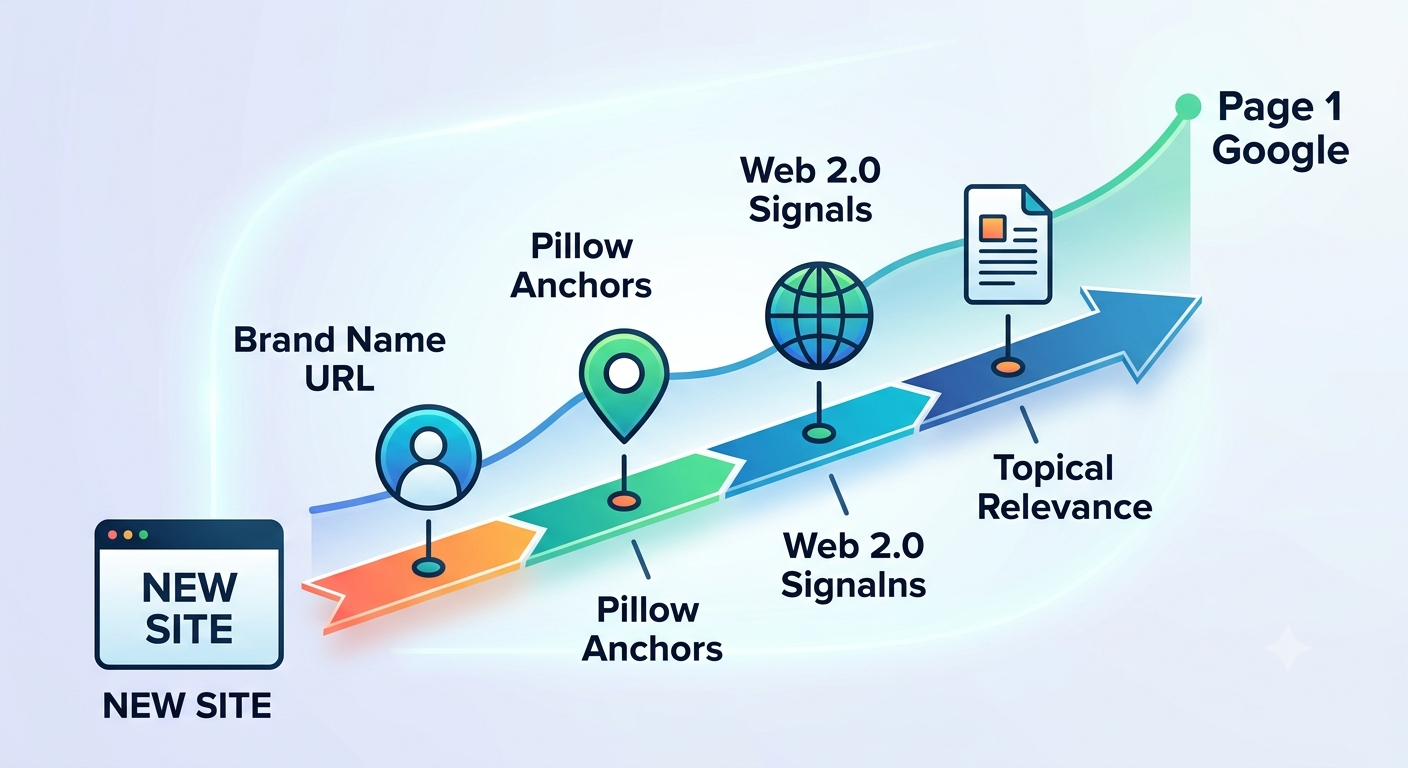
What Google’s Algorithm Sees When a New Domain Acquires Backlinks
When you register a new domain, your site starts with zero trust, zero history, and zero authority. Google places your domain into what many SEOs call the “sandbox” or a testing period.
During this initial phase, Google Bot monitors how fast your site gains links and what kind of anchor text you are using.
[ New Domain Registered ] ──> Zero Trust / Zero History
                                   │
                  ┌────────────────┴────────────────┐
                  ▼                                 ▼
   [ Natural Ramped Velocity ]          [ Sudden Link Spike / Aggressive Anchors ]
                  │                                 │
                  ▼                                 ▼
   Indexed, Tested in SERPs             Algorithmic Filter / Ignored Links
1. The Link Velocity Trap
If a brand-new website suddenly gets 200 high-powered contextual links in week one, Google’s automated spam detectors flag it immediately. Real websites build authority over time as people discover their content.
A sudden, unnatural spike in backlink velocity tells Google that the site owner is actively manipulating the search results.
2. The Penalty Fallacy: Devaluation vs. Penalties
What actually happens when you mess up link building on a new site? Most of the time, Google doesn’t send a manual action notice inside Search Console. Instead, Google simply ignores the links.
You spend your hard-earned money buying backlinks, and nothing happens—no rank jumps, no traffic increases, and zero indexation. In worst-case scenarios with heavy exact-match anchor manipulation, your pages get filtered out of top 100 search results altogether.
The 3-Phase Link Strategy for Brand New Websites
You can buy backlinks for a new website and rank #1 on Google. You just have to follow a structured roadmap that mirrors natural growth.
Here is the exact framework we use at Rankers Paradise to safely rank new domains.
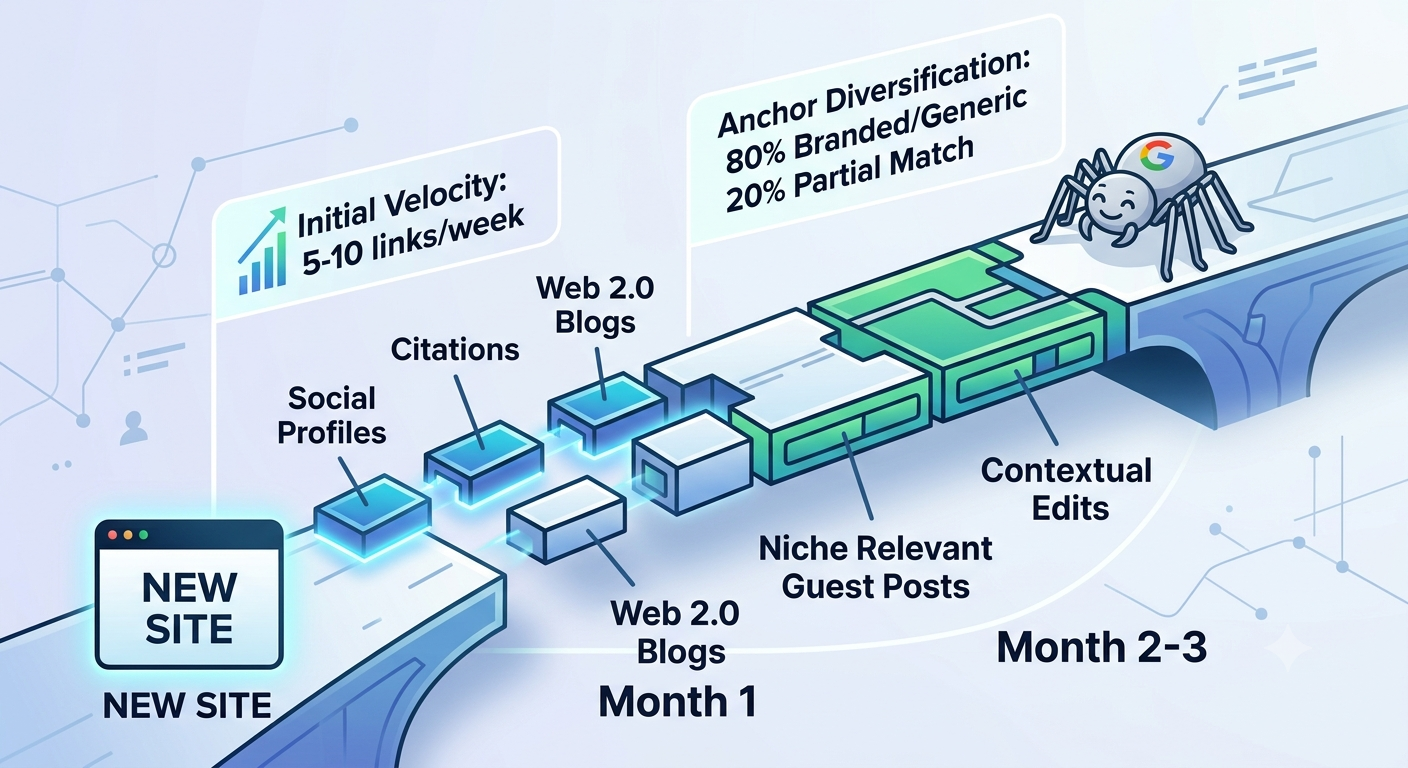
Phase 1: Months 1 to 2 – Foundation & Pillow Links
Before you send high-powered contextual guest posts or niche edits to a brand new domain, you need to set up “pillow links.” These are safe, foundational backlinks that establish brand trust and natural diversity.
-
Social Profiles & Citations: Set up your main social media channels and directory listings.
-
Web 2.0 Backlinks: Build contextual links on high-authority platforms. Learning web 2.0 backlinks allows you to control the content, test anchor text ratios, and build early trust for free.
-
Branded & Naked URL Anchors: At this stage, do not use exact match commercial keywords as anchor text. Stick to anchor types like:
-
yourbrandname.com -
[https://yourbrandname.com](https://yourbrandname.com) -
click here -
brand name
-
Phase 2: Months 2 to 3 – Building Topical Relevance
Once your site has 10 to 20 foundational links indexed and Google bot is crawling your pages regularly, you can begin introducing contextual links with targeted anchors.
       [ Foundational Pillow Links ]
       (Socials, Citations, Web 2.0s)
                     │
                     ▼
       [ High-Relevance Guest Posts ]
       (Partial Match & Niche Anchors)
                     │
                     ▼
       [ High-Power Niche Edits ]
       (Exact Match Anchors for #1 Rank)
-
Guest Posts on Niche-Relevant Blogs: Buy contextual guest post links from websites inside your industry. Relevance matters far more than arbitrary metrics like Domain Authority (DA) or Domain Rating (DR).
-
Partial-Match Anchor Text: Start introducing partial-match anchors (e.g., “buying backlinks safely for fresh sites”) rather than strict exact matches.
-
Internal Link Distribution: Pass the equity from your homepage down to your target money pages using clean internal link structures.
Phase 3: Months 3+ – High-Power Links & Ranking Push
Now that your site has a solid foundation, established indexation, and a natural anchor profile, you can push for competitive page-one positions.
-
Powerful Niche Edits & Editorial Links: Insert links into aged, indexed articles that already carry authority and trust in Google’s index.
-
Exact-Match Anchors: You can now safely use your target exact-match keywords for a small percentage (around 5% to 10%) of your total backlink profile.
Anchor Text Strategy for Fresh Domains
Using the wrong anchor text is the #1 reason people fail when buying links for new websites.
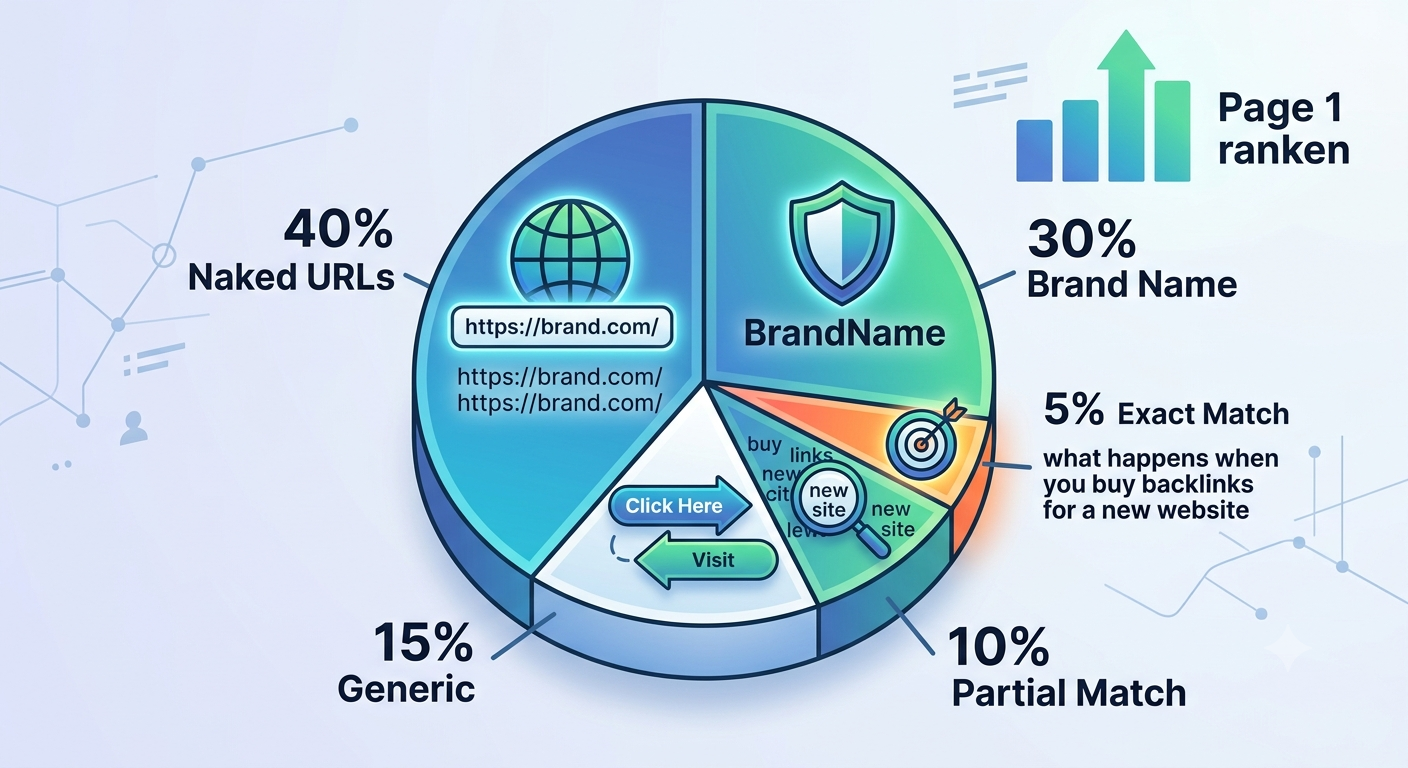
Here is the exact anchor text distribution ratio you should follow for any site under 6 months old:
| Anchor Text Type | Percentage | Example |
| Naked URLs | 40% | [https://yoursite.com/page](https://yoursite.com/page) |
| Brand Name | 30% | Your Site Name |
| Generic | 15% | click here, visit website, source |
| Partial Match / LSI | 10% | learn what happens when you buy backlinks |
| Exact Match | 5% | what happens when you buy backlinks for a new website |
If you flip these numbers and use 50% exact-match anchors on a fresh domain, Google will filter your target keywords.
4 Rules to Follow When Purchasing Backlinks for Fresh Sites
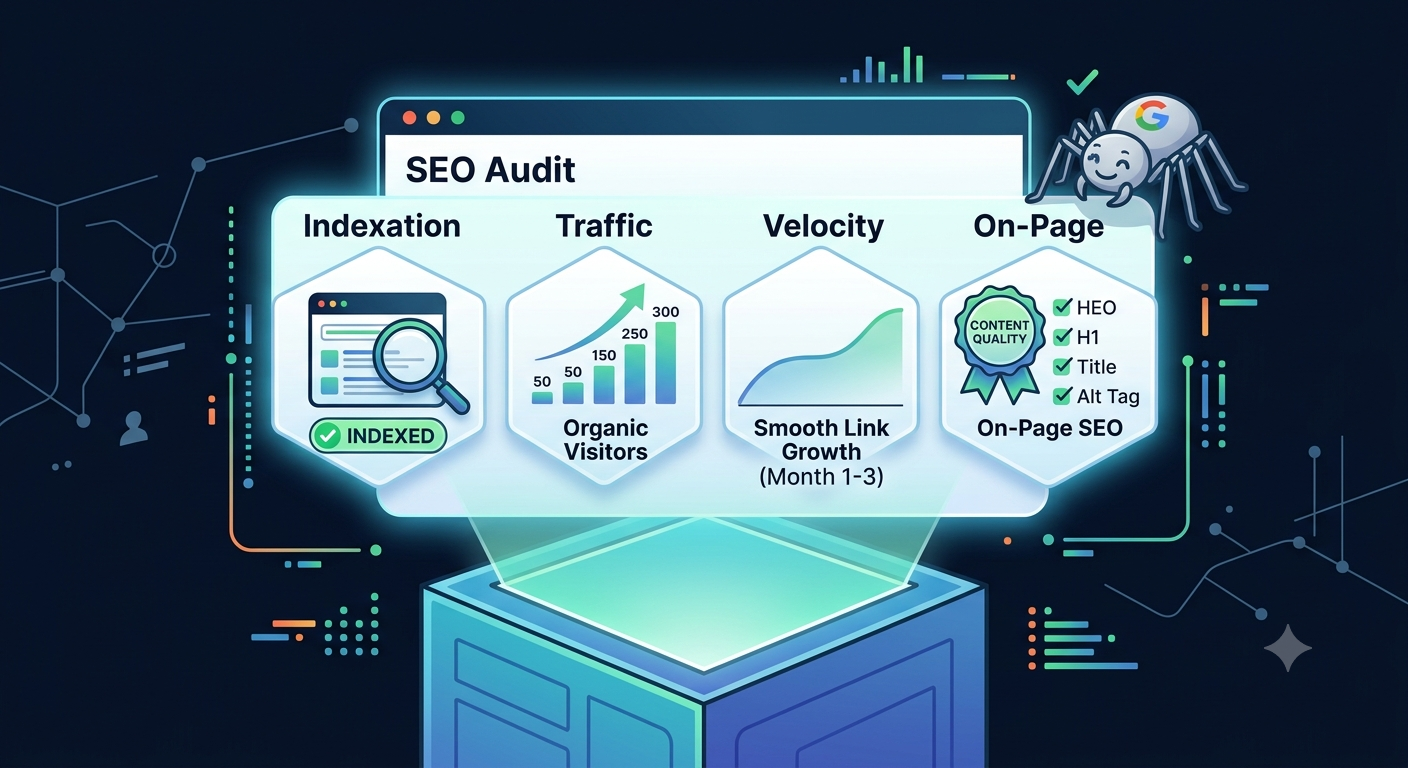
To ensure your investment delivers positive ranking jumps on Google organic SERPs, keep these 4 rules in mind:
-
Focus on Indexation: A backlink does not exist in Google’s eye until Google Bot crawls and indexes the page hosting the link. Always check that the seller’s links actually get indexed into organic search.
-
Check Traffic, Not Just Metrics: Metrics like DA or DR can be easily inflated with spam. Always check if the referring domain receives real organic search traffic from Google using tools like Ahrefs or Semrush.
-
Control Your Link Velocity: Spread your link purchases evenly across 30 to 60 days rather than blasting them all in 24 hours.
-
Optimize On-Page SEO First: Backlinks act as a multiplier. If your on-page SEO, title tags, H1s, and content quality are poor, even high-quality backlinks won’t get you to position #1. Ensure your content satisfies user intent completely before buying links.
Summary: Does Buying Links Work for New Sites?
Yes. Buying backlinks for a new website works extremely well to bypass the standard waiting period and fast-track your keyword rankings on Google SERPs.
However, success depends entirely on how you do it:
-
Don’t blast hundreds of exact-match commercial links to a day-old site.
-
Do build a strong foundation of pillow links, keep your initial link velocity smooth, maintain clean anchor ratios, and ramp up authority gradually.
Follow this blueprint, keep your on-page content top-notch, and your new domain will rise to the top of Google organic search results.