
If you want to secure the #1 spot on Google, you cannot ignore search engine optimization’s most influential ranking signal: SEO backlinks.
While search algorithms evolve daily, integrating advanced AI features and complex user-experience metrics, Google’s core foundation remains built on a system of trust. In the digital landscape, a backlink is the ultimate vote of confidence. When an external domain links to your content, it passes algorithmic authority—traditionally known as “PageRank”—straight to your website.
But modern link building is no longer a numbers game. In the current search climate, low-quality, automated spam will trigger algorithmic filters or manual actions faster than ever. To outrank established competitors, you need a sophisticated strategy rooted in relevance, authority, and safety.
This definitive blueprint covers everything required to master SEO backlinks and scale your organic rankings.
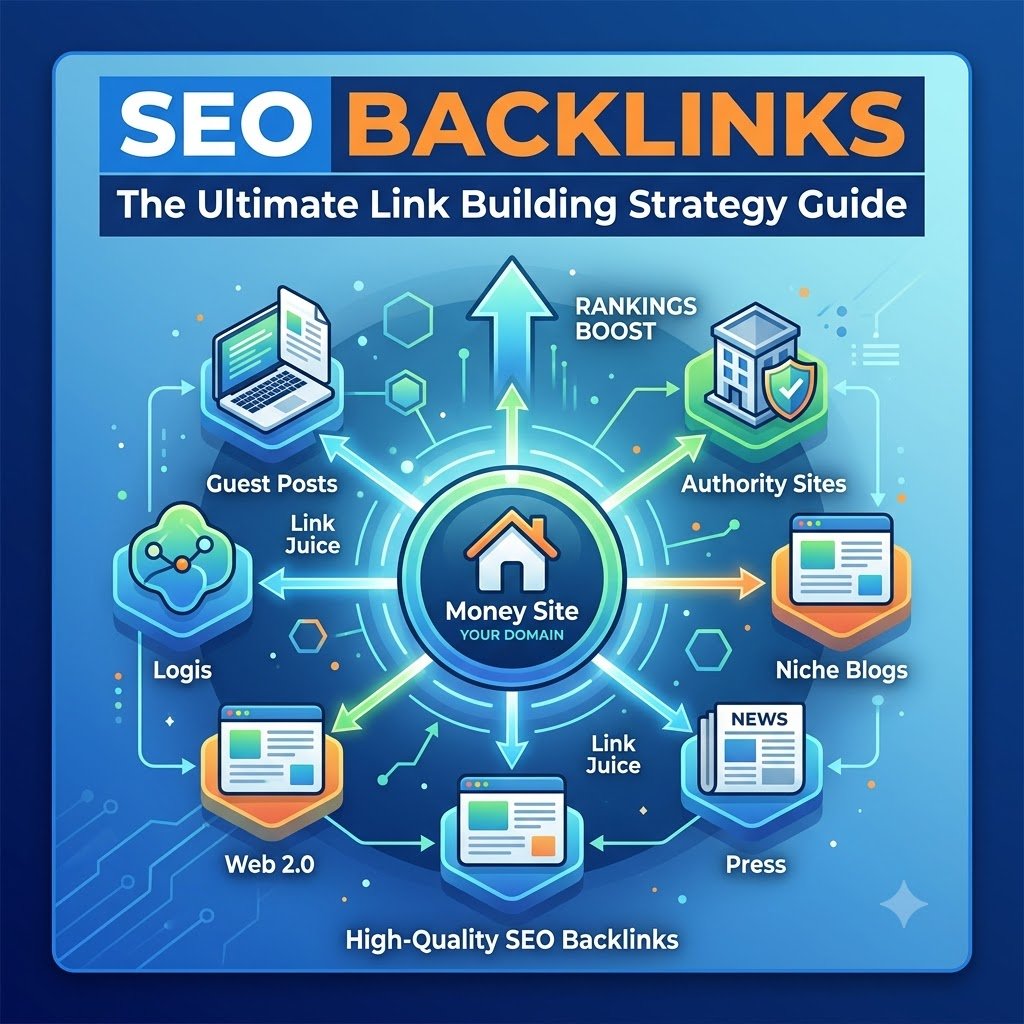
1. What Are SEO Backlinks and Why Do They Still Dominate?
An SEO backlink is a hyperlink from an external website that points back to your own domain.
Google’s algorithm views every incoming link as a third-party endorsement. However, the search engine treats links differently based on their origin, placement, and context.
[External Website] ---> (Contextual Anchor Text) ---> [Your Target Page]
                                                             |
                                               (Passes Authority & Relevance)
To understand why backlinks dominate the SERPs, look at how Google crawls the web. Search bots use hyperlinks to discover new pages, understand relationships between different web entities, and calculate the overall trust score of a domain. A page with a high volume of authoritative links will always outperform a page with identical content but a weak link profile.
2. Anatomy of a Rank-Worthy Backlink
Before scaling your acquisition, you must understand the exact attributes Google evaluates to determine a link’s true ranking power.
Contextual Relevance
Relevance is the primary filter Google applies to link equity. If your website is about digital marketing, a backlink from a food blog holds very little algorithmic weight. The content surrounding the link, the topic of the linking page, and the overall niche of the linking domain must match or closely complement your own industry.
Domain and Page Authority
A link from a trusted, high-traffic site passes significantly more equity than a link from a brand-new or neglected blog. Look for links from domains that possess:
-
Consistent organic traffic trends.
-
Clean backlink profiles free of historical spam.
-
Real user engagement and active indexing.
Strategic Anchor Text Distribution
Anchor text is the clickable text housing the hyperlink. It tells search engine crawlers exactly what the destination page is about. To keep your profile completely safe and avoid algorithmic penalties, you must maintain a natural anchor text distribution:
| Anchor Text Type | Example | Targeted Distribution |
|---|---|---|
| Branded | Rankers Paradise | 40% – 50% |
| Generic / Naked URL | Click here, https://site.com | 20% – 30% |
| Partial Match / LSI | Effective link building frameworks | 15% – 20% |
| Exact Match | SEO backlinks | Less than 5% |
3. The 3-Tier Link Building Architecture
The most effective, scalable way to build authority safely is through a structured, multi-layered backlink framework. This approach allows you to channel massive ranking power to your money site while filtering out risks.
             ▲
            / \
           /   \       Tier 1: High-Authority Guest Posts & Web 2.0 Hubs
          / T1  \      (Points directly to your Money Site)
         /_______\
        /         \    Tier 2: Contextual Articles & Niche Properties
       /    T2     \   (Supercharges and powers up Tier 1 links)
      /_____________\
     /               \ Tier 3: Indexing Layer & High-Velocity Links
    /       T3        \(Drives crawler activity to Tier 2 properties)
   /_________________\
Tier 1: The Core Foundation
These are your most premium, high-quality links that point directly to your primary content or commercial pages. Because they connect to your money site, Tier 1 properties must be clean and highly contextual. Elite Web 2.0 properties, editorial guest posts, and targeted niche resources form this foundational layer.
Tier 2: The Power Boosters
Instead of overloading your money site with countless direct links, you build Tier 2 links to point at your Tier 1 properties. This supercharges the page authority of your Tier 1 links, filtering the power down the chain. Tier 2 assets generally consist of distributed contextual articles, social bookmarks, and secondary Web 2.0 networks.
Tier 3: The Velocity and Indexing Layer
Tier 3 links target your Tier 2 assets. This massive outer ring creates an ecosystem of relevance that forces search engine spiders to crawl, discover, and index your Tier 2 and Tier 1 layers swiftly. This ensures no link equity is wasted or left undiscovered in the search index.
4. Advanced Strategies to Acquire SEO Backlinks
The Web 2.0 Authority Hub Strategy
Web 2.0 properties (such as WordPress, Tumblr, and Blogger) allow you to build custom, mini-authority sites for free. By publishing highly optimized, unique content on these high-DA platforms, you can craft perfectly tailored contextual links that point straight to your target pages.
Premium Content Assets (Pillar Content)
To earn high-quality links naturally, you must create content worth linking to. This means publishing massive, in-depth resources, original data studies, or comprehensive checklists that other bloggers and journalists want to reference as a source.
Outsourcing to Scale Your Traffic
Building, structuring, and indexing thousands of contextual links manually requires immense time, specialized software, and continuous maintenance. For fast-growing digital entrepreneurs and brands looking to scale their operations, outsourcing this technical workload is the most efficient choice.
If you want to accelerate your growth and bypass the time-consuming process of manual outreach, you can buy high-quality backlinks from trusted providers who understand proper tiering, indexing safety, and precise anchor text balance.
5. Tracking, Indexing, and Protecting Your Gains
Securing your links is only half the battle; ensuring Google recognizes and maintains them completes the ranking puzzle.
-
Force Indexation: A link only passes ranking power if Google indexes the page it sits on. Use premium indexing tools or Tier 3 velocity blasts to ensure search bots crawl your new assets.
-
Monitor SERP Movements: Use a reliable rank tracking tool to monitor your target keywords. When a new batch of backlinks hits the index, you should typically see a positive ranking dance within 7 to 14 days.
-
Audit regularly: Keep a close eye on your referring domains using tools like Ahrefs, Semrush, or Google Search Console to verify that your link profile stays balanced, active, and clean over time.
Keep reading…
The Missing Step in Most Link Building Guides
Advanced Backlink Buying Strategies for Small Businesses
Best Link Building Companies: Top Agencies Reviewed for 2026