
If you are running a local business, you have probably heard the same tired advice from “white-hat” agencies: “Don’t ever buy backlinks, they will kill your rankings!”
They scare you into paying massive monthly retainers while your competitors who do know how to play the game are taking all the local traffic.
I’m going to tell you the truth. Is buying backlinks still worth the risk for local SEO in 2026? The answer is a resounding yes, but only if you know exactly what you are doing. The game has changed, but the fundamental mechanics of how Google ranks websites—trust, relevance, and authority—remain exactly the same.
The Reality of Google’s 2026 Landscape
I have been in this game a long time, and I have seen Google update its algorithm more times than I can count. Every time they roll out a new spam update, they claim they are “killing” link building. Yet, every single time, I see websites with high-quality, relevant backlinks sitting at the top of the SERPs.
The issue isn’t the act of buying backlinks; the issue is spam.
If you go to a cheap link farm and buy 5,000 links from a site that looks like a digital dumpster fire, yes, you are going to get hit. You are essentially asking Google to penalize you.
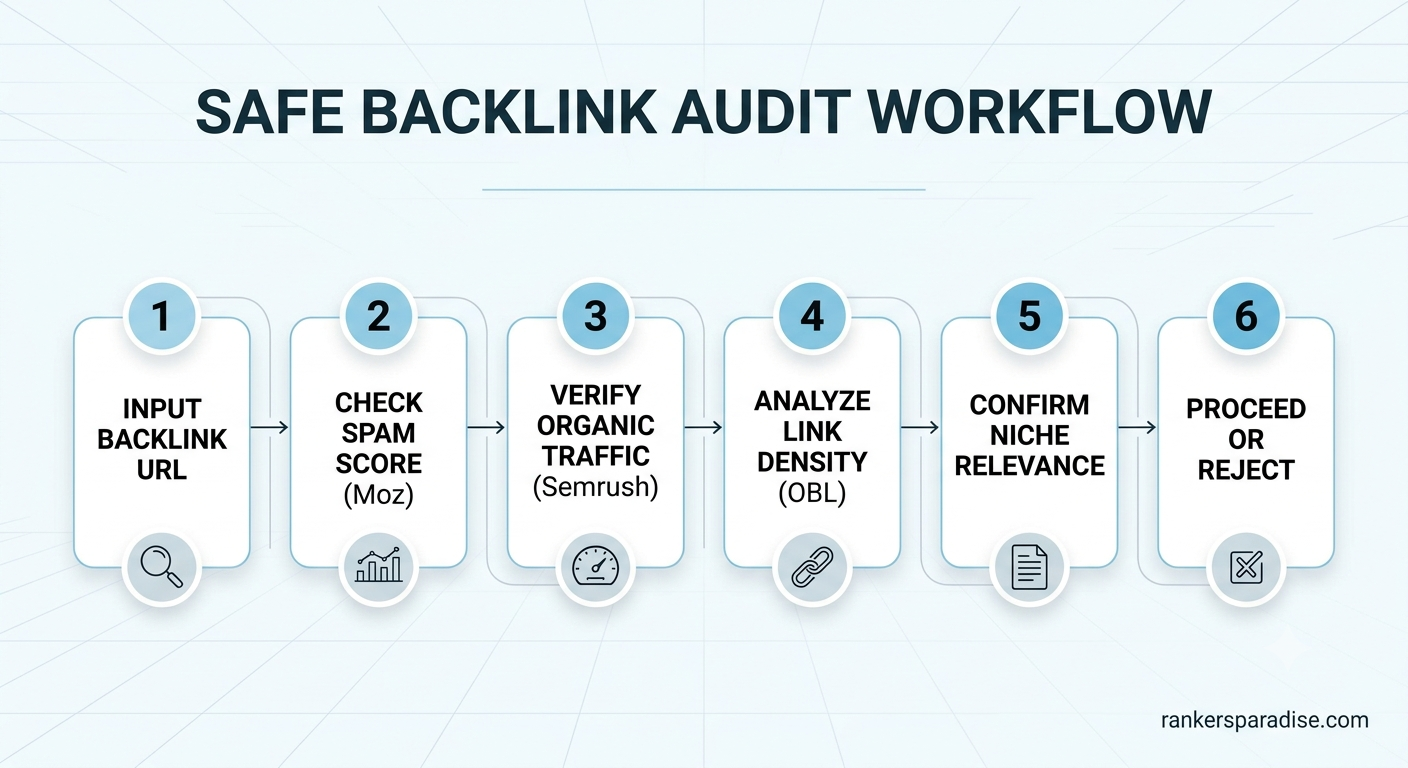
However, if you buy backlinks from sites that are niche-relevant, have organic traffic, and are managed as “real assets,” you are just accelerating your growth. In 2026, Google cares more about local relevance than ever before.
When is Buying Backlinks Worth the Risk?
For a local business, not doing SEO is the biggest risk of all. If you are not in the Google Maps 3-Pack, you are invisible. You should consider buying backlinks to be worth the risk when:
-
You are stuck on Page 2: Your content is great, your on-page SEO is perfect, but you just need that extra “vote of confidence” to push you into the top 3.
-
Your competitors are out-linking you: Go to a tool like Ahrefs or Semrush and look at the top-ranking local site. If they have 50 referring domains and you have 5, you have a massive authority gap. You cannot bridge that gap with content alone.
-
You want to control your assets: When you buy from a reputable source, you know exactly where the link is coming from. You aren’t “hoping” for a natural mention; you are building a controlled digital footprint.
How to Buy Backlinks Safely in 2026
If you want to avoid the “risk,” you need to stop thinking about links as “manipulation” and start thinking about them as authority signals.
Here is the strategy I use at Rankers Paradise to keep my clients’ rankings safe:
1. Niche Relevance is Everything
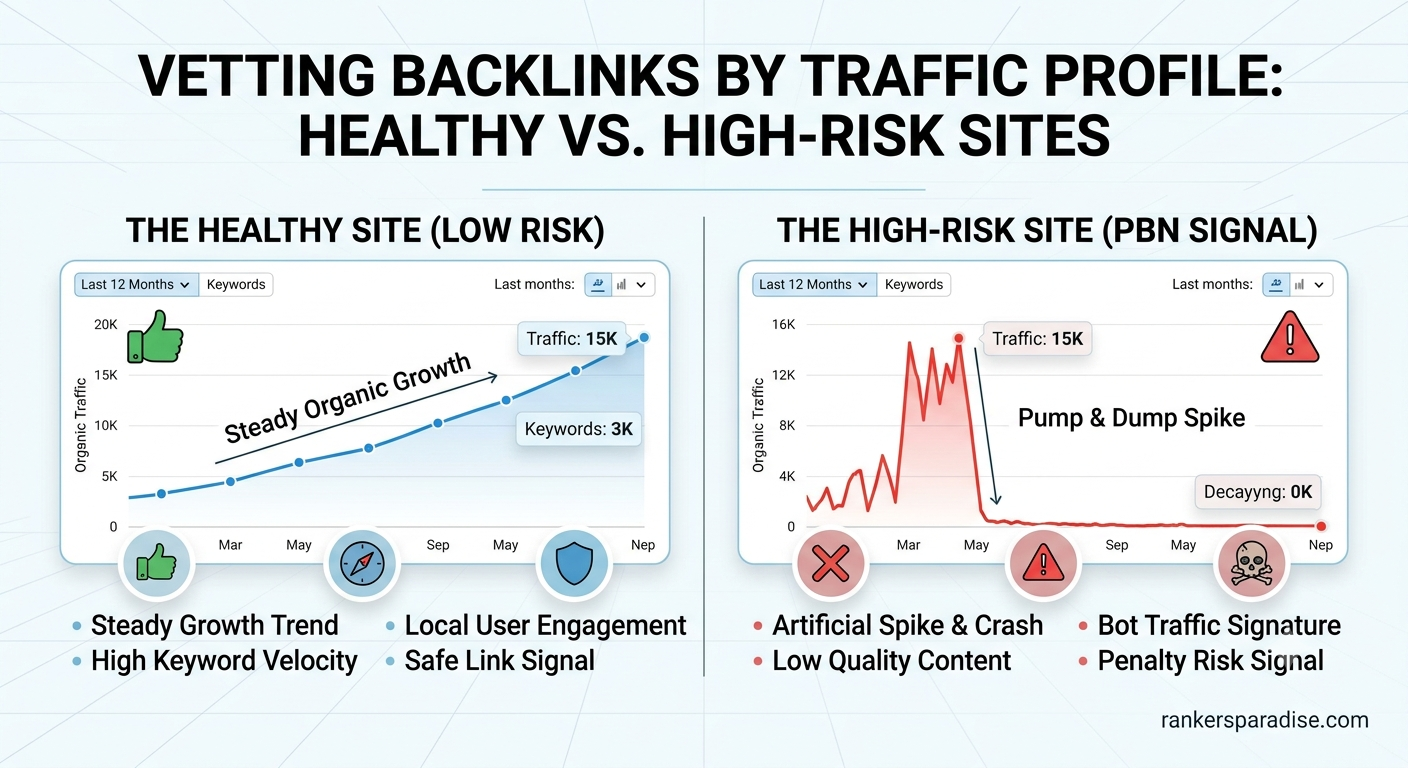
A link from a high-authority cooking blog might be impressive, but if you are a plumber in Scarborough, it tells Google nothing about your business. Buy backlinks from sites that are related to your industry or your local geography. This helps maintain a high Relevance Score, which is a key metric in modern link building.
2. Check the “Organic Pulse”
Before buying a link, check the site in a tool like Ahrefs. Does it get organic traffic? If the site has zero traffic and zero keywords, it’s a PBN that Google has likely already devalued. If it has a steady, growing trend of organic traffic, it’s a “living” site that is safe to link from.
3. Don’t Over-Optimize Anchor Text
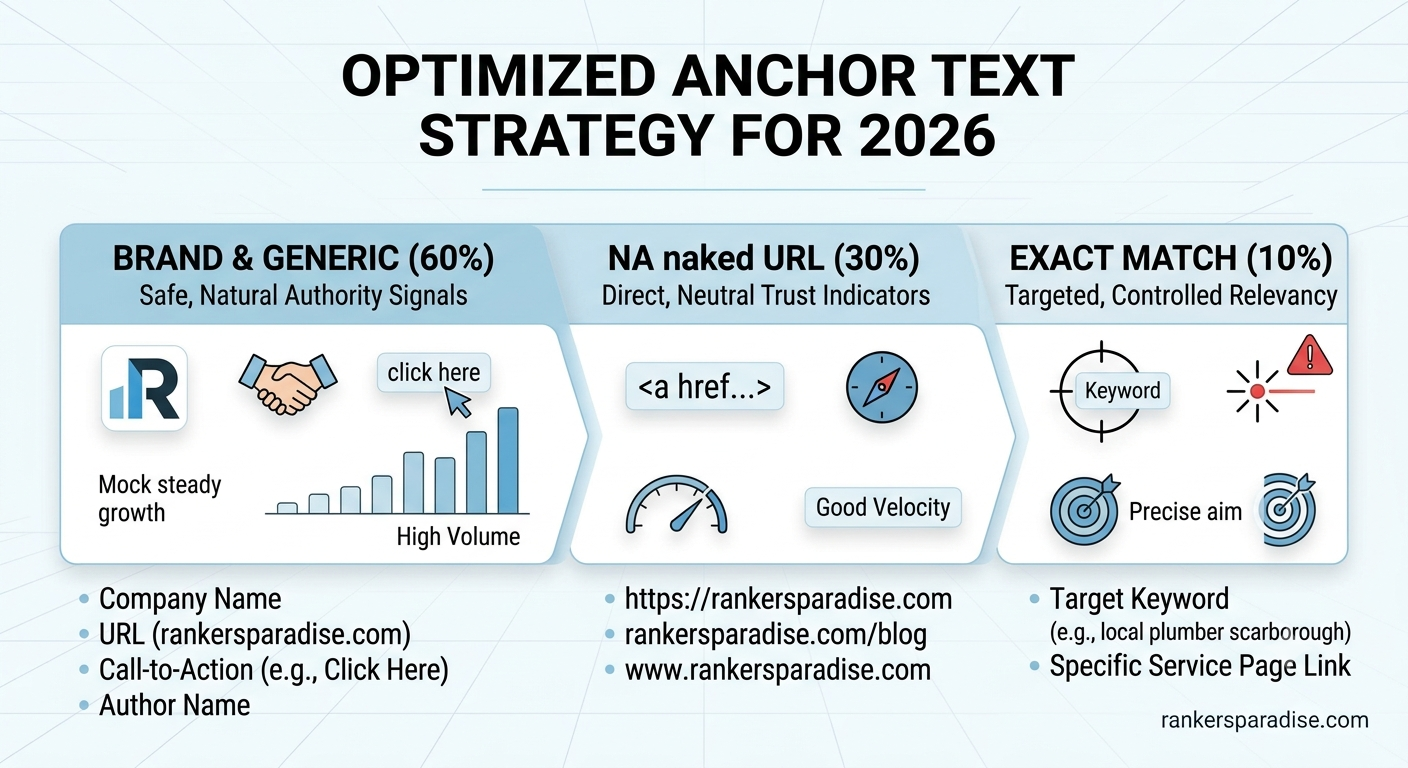
This is where most people get caught. If you are buying 10 backlinks and all 10 use the anchor text “best plumber in Scarborough,” you are going to trigger an over-optimization filter.
Follow this golden ratio:
-
60% Brand/Generic: Use your company name, “click here,” or your full URL.
-
30% Naked URL: Just use your website address (e.g.,
rankersparadise.com). -
10% Exact Match: Use your target keyword sparingly.
The Verdict: The Real Risk is Inaction
Is there a risk involved in buying backlinks? Yes. There is a risk in everything you do in SEO. Even “natural” link building can backfire if you don’t vet the sites linking to you.
The real danger in 2026 is sitting on the sidelines while your competition dominates the local market. If you follow a strict, high-quality approach—focusing on niche-relevant sites, diverse anchor text, and steady link velocity—buying backlinks is not just “worth the risk”; it is the most effective way to rank your website.
At Rankers Paradise, we don’t just “sell links.” We build assets that help you rank, stay ranked, and drive leads to your business.
Frequently Asked Questions (FAQ)
Can I get penalized for buying backlinks in 2026?
Yes, if you buy low-quality, automated, or “spammy” links. If you buy high-quality, manual, niche-relevant links that look natural, the risk is drastically reduced.
How many backlinks should I buy per month?
It depends on your current authority. I recommend starting slow—perhaps 5–10 high-quality links per month—and monitoring your ranking improvements. You can learn more about how we manage this in our Do-It-Yourself SEO Guide.
Are Web 2.0 backlinks still effective?
Absolutely. When used correctly as part of a Web 2.0 link wheel, they can pass significant power to your site. The key is to ensure they are indexed properly and contain quality content.
What should I do if I suspect a competitor is using PBNs?
Don’t panic. You can often outrank them by building better content and acquiring higher-quality, legitimate backlinks. You can read my guide on how to tell if a seller is using a PBN to see exactly what to look out for.
Do you have questions about your current link-building strategy? Get in touch with us on live chat or send me an email. I’m happy to take a look at your site and tell you exactly what you need to move to the #1 spot.