
If your keyword rankings or traffic shifted recently, you’re not alone. Google has rolled out major core algorithm updates that have altered how authority, content quality, and search visibility are evaluated across the web.
Here’s a breakdown of what changed, why it matters, and the exact steps you should take to protect and grow your search performance.
1. The May Core Update: Massive Volatility & AI Search Integration
The May Broad Core Update (May 21 – June 2) stood out as one of the most powerful updates we’ve seen. Running alongside major announcements at Google I/O, this update aligned ranking signals directly with Google’s expanding AI-driven search experience.
Key Findings & Shifts:
-
Entity Authority Over Page-Level Hacks: Google is evaluating site-wide authority rather than isolated pages. Sites with clear entity graphs (consistent branding, verified authors, distinct niche positioning) held steady or gained ground.
-
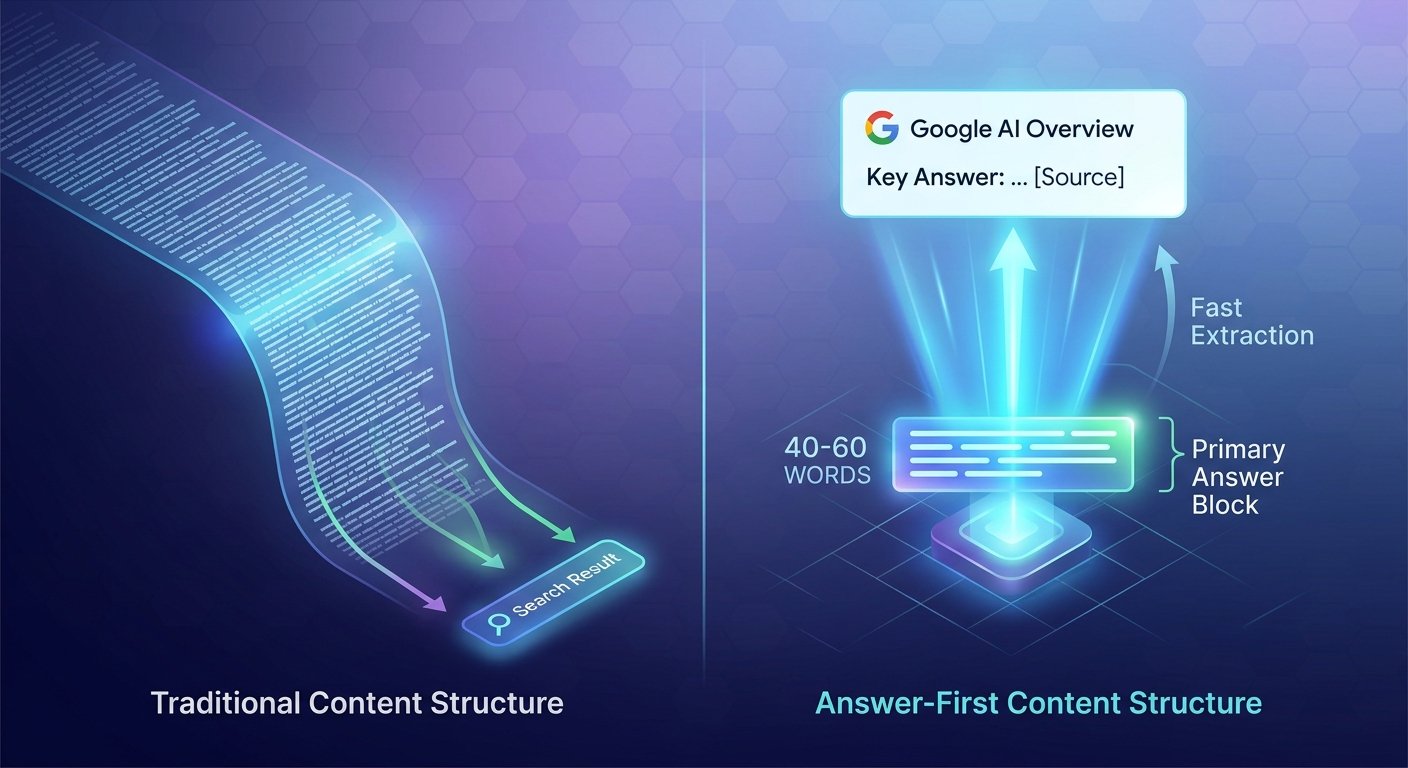
Answer-First Formatting: Pages that answer the searcher’s core query in the opening 40–60 words are winning both traditional featured snippets and citations inside AI Overviews.
-
Decline of Scaled, Generic Content: Mass-produced AI content or thin translated articles without original insights, real-world experience, or unique proof lost visibility rapidly.
-
Primary Source Attribution: Claims backed by structured data, primary data, and outbound citations to trusted authoritative sources received strong trust signals.
2. The March Core & Spam Updates: Credibility Beats Pure Volume
Before the May rollout, the March Core and Spam Updates established a clear trend: publishing volume alone no longer works. Sites that churned out hundreds of thin, unverified posts saw diminishing returns, while lean sites with deep topic clusters and verified link equity gained ground.
Actionable Steps to Recover or Boost Your Rankings
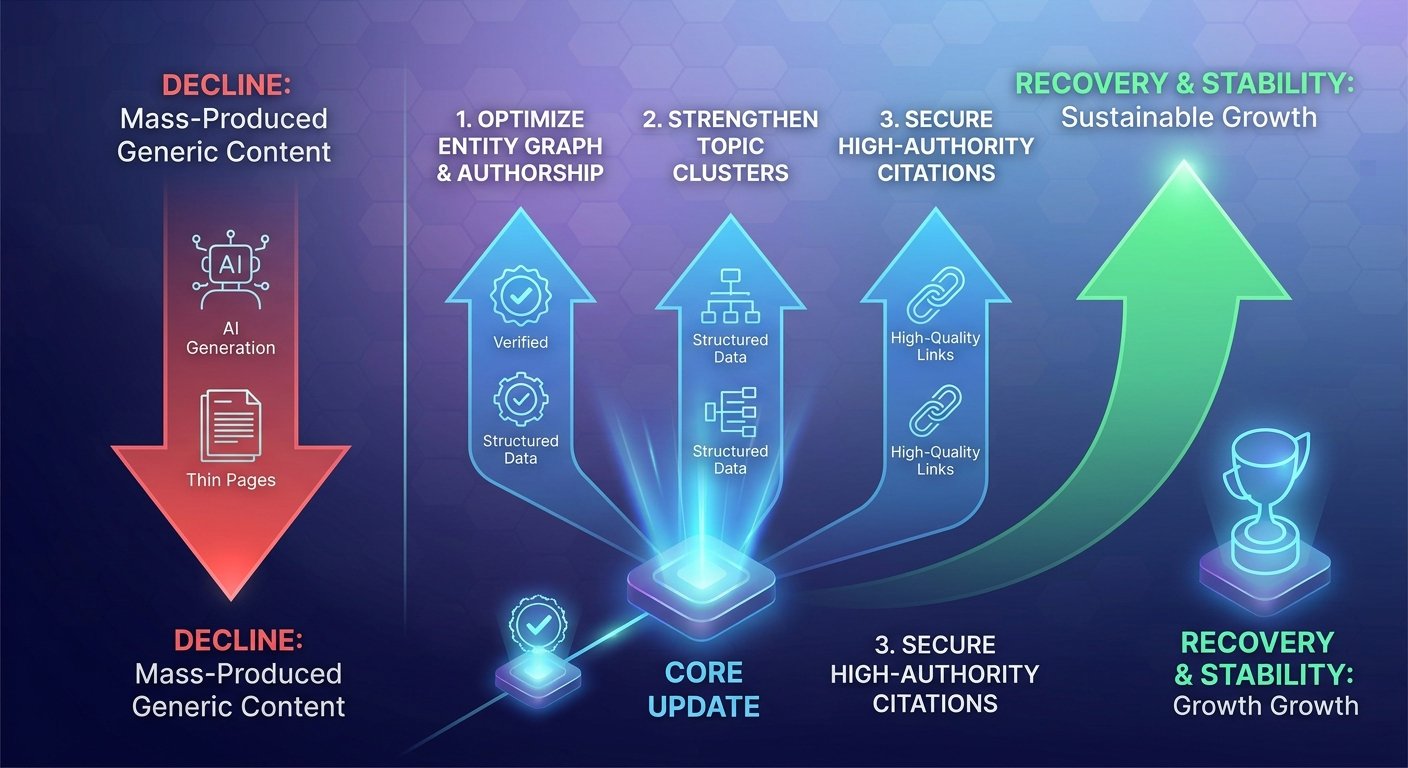
If you saw movement during these recent rollouts, don’t panic or make rash changes. Follow this recovery and optimization checklist:
-
Audit Your Top-Impression Pages First: Do not randomly edit pages that are performing well during or immediately after a core update. Protect high-performing assets.
-
Restructure Content to Answer Queries Directly: Ensure your target pages provide a direct, concise summary near the top before diving into deep contextual details.
-
Strengthen Your Entity Graph & Internal Links: Ensure your About page, author bylines, and internal topic clusters clearly communicate your brand’s expertise to Google.
-
Build Real, High-Authority Backlinks: Off-page trust remains the backbone of core update resilience. High-quality backlink signals and natural anchor text profiles reinforce your domain’s topic authority when ranking algorithms recalibrate.
For a deeper technical dive into specific site impact cases and data analysis from the rollout, check out this May Core Update Analysis Video. It offers excellent visual case studies detailing which site verticals saw the biggest shifts during the update.