
If you’ve been in the SEO game for more than five minutes, you’ve heard the same tired debate: “Are Web 2.0s dead?”
People have been screaming that Web 2.0 properties are a waste of time since 2016. They say they’re spam, they get de-indexed, and they don’t pass value. But here is the reality from my desk at Rankers Paradise: they only fail for people who buy automated, mass-produced junk.
If you want to buy custom web 2.0 links that actually move the needle in the SERPs without triggering algorithmic penalties, you need a hands-on strategy. You need real accounts, unique content, proper tier structures, and a clear-eyed understanding of how search engines evaluate authority today.
Let’s cut through the theory. Here is how I build and deploy custom Web 2.0 campaigns that stick.

Why Mass-Produced Web 2.0 Packages Fail
Let’s be honest about what happens when you buy a cheap 500-link package from an automated marketplace.
You pay $20. A bot spins up 500 identical subdomains on platforms like WordPress.com, Tumblr, and Blogger. It drops a 300-word spun article packed with exact-match anchor text pointing straight to your money page. Two weeks later, Ahrefs shows a massive spike in your backlink profile. Then, Google rolls out an update, those pages get nuked from the index, and your rankings plummet.
That isn’t SEO. That’s digital vandalism.
When I first started testing web 2.0 backlinks back in 2016, the landscape was a lot more forgiving. You could point a basic link wheel at a site and watch it climb to position one within three months. Today’s search engines are far more sophisticated. They look at user intent, semantic relevance, indexation stability, and outbound link hygiene. If your tier-one properties look like automated footprints, you’re throwing money into a bonfire.
What Makes a Custom Web 2.0 Link Actually Work?
If you want custom links that survive core updates and pass serious link juice, every single property needs to be treated like an independent micro-brand. Here is what goes into a true custom campaign:
-
Aged, Trusted Subdomains: Brand-new registrations on free blog hosts get heavily scrutinized. A proper custom network utilizes established roots with clean history and natural trust flow.
-
Contextual Relevance: The article surrounding your link cannot be generic filler. It needs to match the topical vertical of your money site, utilizing proper LSI keywords and semantic depth.
-
Outbound Authority Links: Real human bloggers don’t just link to one commercial page and nothing else. Every custom property should link out to high-authority Wikipedia or industry resource pages to look natural in the eyes of crawlers.
-
Embedded Media: Images, videos, and properly formatted headers break up text and signal to search engine spiders that a real human is curating the page.
If you are trying to figure out how to safely scale your off-page profile without risking your core assets, you should read my complete guide on how to buy backlinks. It lays out the exact risk assessment matrix I use for high-value commercial sites.
How to Structure Your Custom Link Campaign
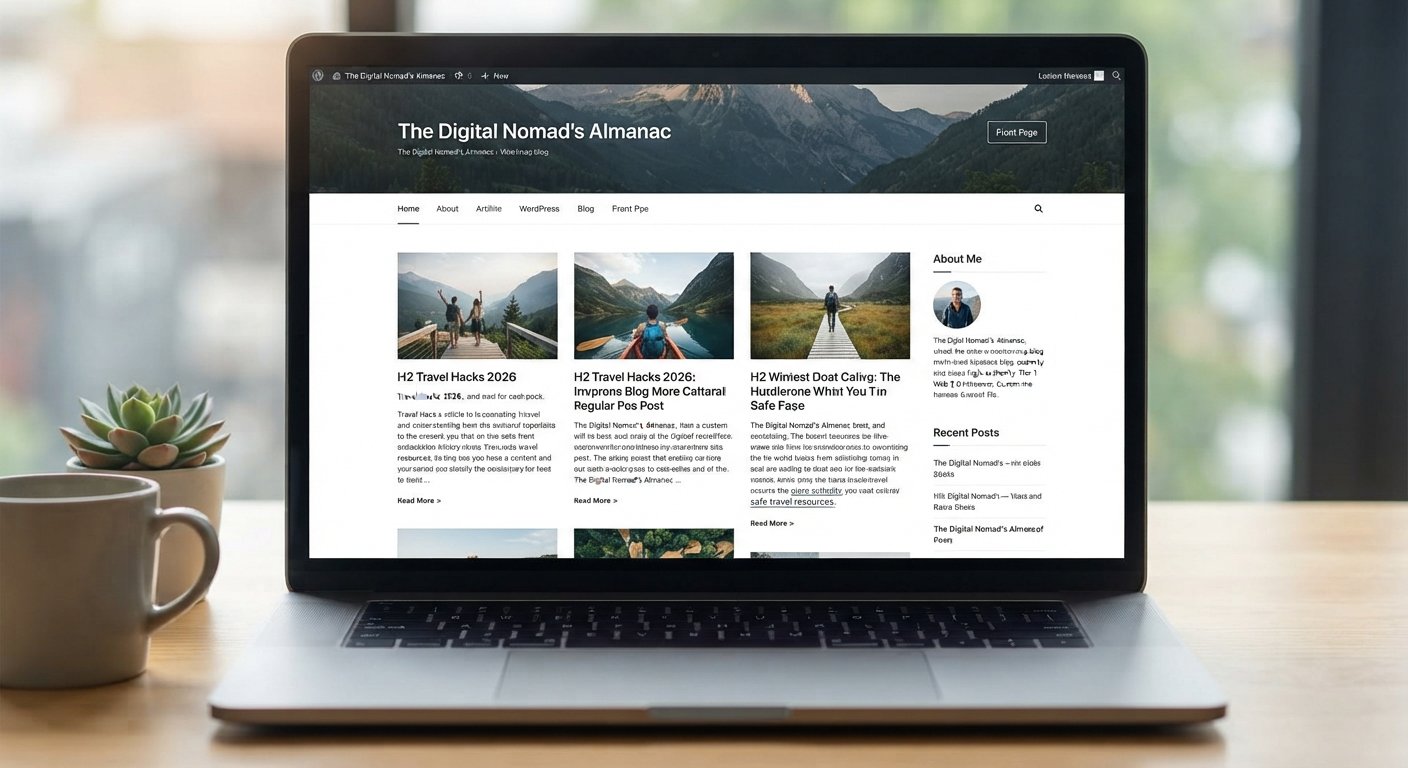
Building custom Web 2.0s isn’t just about throwing links at your homepage. You have to think about link velocity and architecture.
When handling competitive verticals—especially in high-stakes niches like iGaming SEO where competition is cutthroat—you cannot afford sloppy footprints. In that case study, I broke down how careful tiering and anchor text diversification kept revenue-driving pages safe while outranking aggressive competitors.
Here is the exact tier structure I recommend:
-
Tier 1 (Custom Web 2.0 Properties): High-effort, manually created micro-blogs built on trusted platforms. These point to your inner pages or tier-one buffer assets, never directly hammering your money site with aggressive exact-match anchors if you can avoid it.
-
Tier 2 (Indexing Catalysts): Social bookmarks, web directories, and tier-two buffer links that point exclusively to your Tier 1 properties to force rapid crawler discovery and indexation.
Before you launch any off-page campaign, it’s always smart to run a thorough check on your current profile. Take a look at my guide on how to perform a proper backlink audit to ensure your site is clean and ready to absorb fresh link equity safely.
Skip the Trial and Error: Get Custom Links Built For You
You can spend weeks manually registering accounts, writing custom articles, managing login credentials, and tracking indexation drops. Or, you can let a specialist handle it.
At Rankers Paradise, we don’t do cookie-cutter automation. Every custom Web 2.0 package we build is hand-crafted to meet the rigorous standards I use on my own revenue-generating sites.
Don’t waste budget on disposable domains that vanish in the next algorithm update. Head over to our SEO Shop today to check out our proven link building packages, or reach out to our team directly to build a custom ranking strategy tailored specifically to your niche.