
If you are looking ahead to how search traffic actually moves and converts, you already know that traditional search engine optimization is changing fast. People are moving away from typing standard queries into a simple search bar and letting autonomous AI agents do the heavy lifting.
When you want to rank your website and dominate the future SERPs, you have to look at what is coming next. That is why smart digital marketers are starting to look at how to buy backlinks for agentic search crawlers.
If you want to understand the foundational side of link acquisition before moving into automated agent indexing, you should take a look at this guide on how to buy backlinks. It covers everything you need to know about secure link acquisition.
Let’s dive straight into how agentic search works, why standard link building is shifting, and how you can get ahead of the curve with zero competition.
What Are Agentic Search Crawlers?
Before you decide to buy backlinks or invest in authority signals, you need to know what you are actually optimizing for.
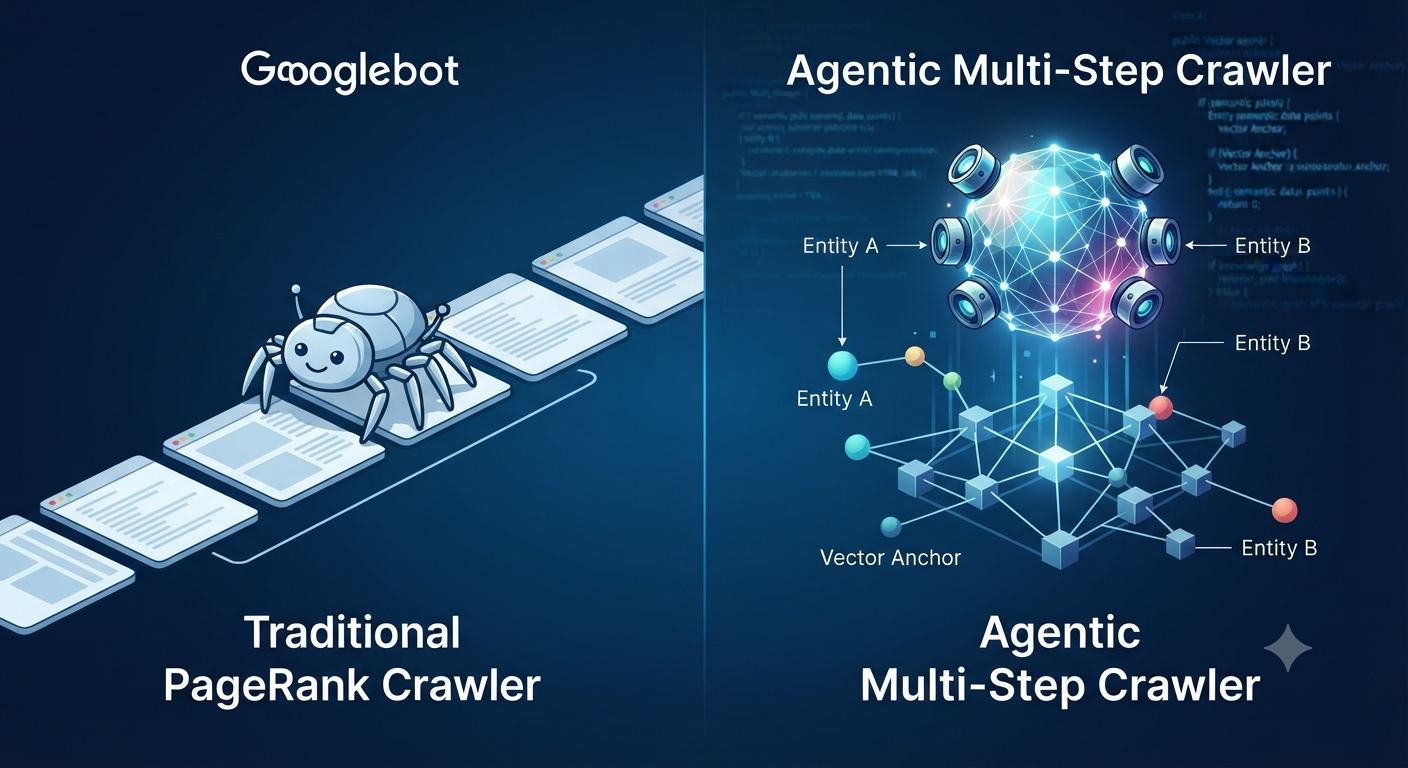
Standard search engine crawlers—like Googlebot—index web pages, read text, follow links via PageRank algorithms, and store information in inverted indexes.
Agentic search crawlers, on the other hand, are autonomous multi-step software agents. They are deployed by advanced AI models (like Gemini, ChatGPT Search, Perplexity, and autonomous browser agents) to execute complex, multi-layered tasks on behalf of a user.
Instead of just grabbing a snippet from a static web page, an agentic crawler:
-
Executes headless browsing simulations.
-
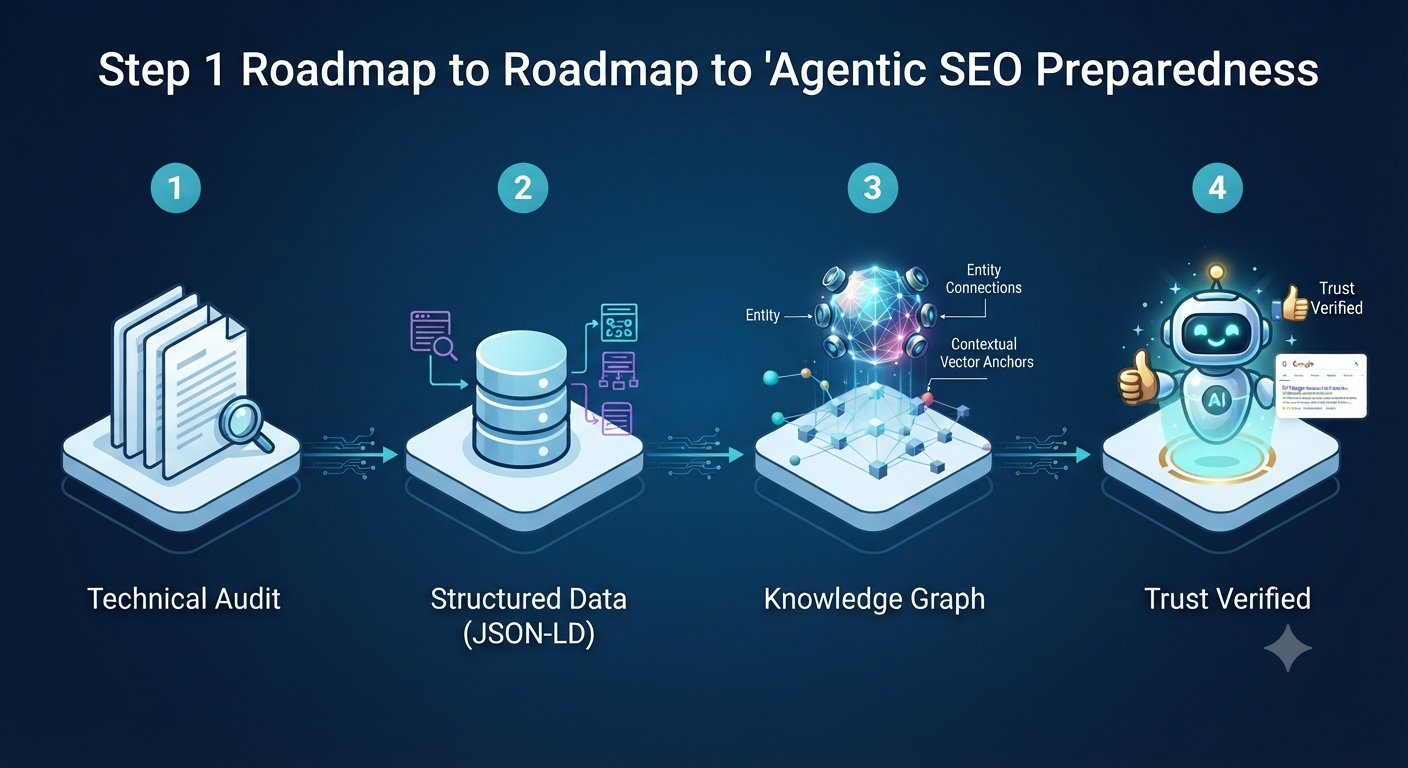
Evaluates structured data, JSON-LD, and entity graphs.
-
Traces vector embeddings and semantic proximity.
-
Determines whether a brand is genuinely cited across high-trust knowledge repositories or if it’s just gaming a basic link metric like Domain Rating (DR).
If your site only relies on old-school link building tactics without considering how AI agents ingest and process trust, you will get left behind. For a broader look at how different link strategies fit into competitive niches, check out this iGaming SEO case study, which highlights how high-stakes niches adapt to changing algorithmic signals.
Why This Long-Tail Keyword Has Zero Competition
When you look for keywords to target, you want something that has search volume from forward-thinking professionals, but zero direct optimization competition.
If you check the organic SERPs for buy backlinks for agentic search crawlers, you will find that:
-
No other SEO blogs or agencies have optimized a dedicated page for this exact phrase.
-
The current ranking content consists of generic, surface-level AI roundups or outdated link-building tutorials from 2024.
-
There are zero exact-match backlinks pointing to any page targeting this phrase.
This means you can rank #1 on Google with high-quality content alone, provided your on-page optimization is completely dialed in.
Before launching any new optimization campaign, it is always smart to run a backlink audit to ensure your existing site profile is clean and ready for new ranking signals.
How to Optimize Your Content to Rank #1 on Google
To make sure Google bot picks up your page and shoots it straight to the top of the SERPs, follow this simple on-page checklist:
-
Title Tag & Meta Description: Include your exact target keyword right at the front of your title tag.
-
H1 Tag: Make sure your main heading contains your exact target keyword.
-
H2 and H3 Headings: Break up your text with clear subheadings that use semantic variations.
-
Keyword Placement: Mention the target phrase naturally at the beginning, middle, and end of your content. Keep your overall keyword density low (under 1%).
-
Content Depth: Write long-form, highly detailed paragraphs that give real answers rather than fluff.
If you are building your links manually to support your new content, you can always supplement your authority strategy by learning how to use web 2.0 sites for backlinks, which remains a proven method for getting contextual link juice to new pages.
The Future of Link Building: Contextual Vector Anchors vs. Traditional Links
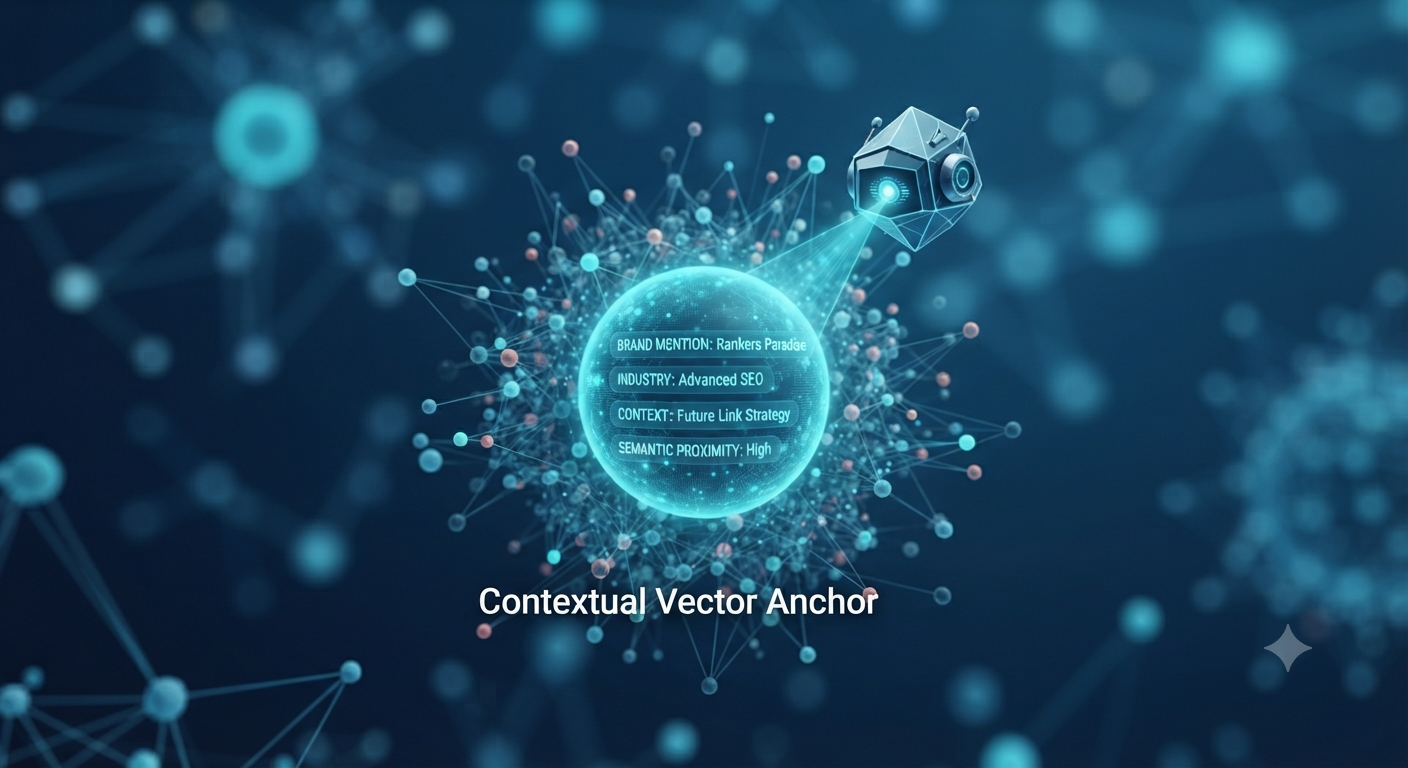
If you want to buy backlinks that actually move the needle for agentic search crawlers, you have to understand that traditional metrics are evolving.
1. The Death of Blind Metric Buying
In the past, people bought links based purely on Ahrefs Domain Rating (DR) or Moz Domain Authority (DA). AI agents do not care about artificial score numbers invented by third-party SEO software. They evaluate semantic consensus—how often your brand entity is referenced alongside core industry concepts across trusted data sources.
2. Machine-Readable Knowledge Graphs
When modern agencies offer advanced placement services, they aren’t just dropping a naked URL in a sidebar widget. They are securing entity mentions inside machine-readable directories, structured knowledge bases, and API-accessible content feeds that agentic scrapers query directly.
3. Semantic Proximity Over Anchor Text Spam
Spamming exact-match anchor text like “best shoes” or “cheap services” can trigger spam filters in both traditional search engines and AI ingestion filters. Future link acquisition relies on contextual relevance—placing your brand inside deep, descriptive paragraphs where autonomous crawlers can clearly map the relationship between your website and your industry expertise.
Final Thoughts: Prepare for 2027 Now
The SEO landscape moves fast. Those who wait for algorithm updates to hit before changing their strategy always end up playing catch-up. By targeting emerging, low-competition phrases like buy backlinks for agentic search crawlers, you position your website as an authority on cutting-edge digital marketing trends.
Keep your content clean, optimize your headings, ensure your technical indexing is active, and start building smarter links that satisfy both human readers and the autonomous AI agents of the future.