
Look, if you’re searching for a “backlink marketplace,” you’re likely tired of the same old story. You go to some massive platform, pay for a guest post or a niche edit, and three months later, the link is gone, the site is de-indexed, or worse—your money site gets hit with a manual action because the “authority” you bought was actually a PBN farm built on a foundation of sand.
I’ve been running Rankers Paradise for over a decade. I’ve seen the link wheels, the automated blast services, and the rise of AI-generated junk that clutters the SERPs today. The game hasn’t changed; the quality requirements have. If you want to rank in 2026, you don’t need a thousand spammy links. You need a controlled, authoritative strategy.
Here is how you navigate a real backlink marketplace and why you need to stop buying blind.
Why Most “Backlink Marketplaces” Are Burning Your Budget
Most platforms act as middle-men. They don’t own the sites; they just facilitate a transaction between you and a site owner they’ve never vetted. When you buy from a marketplace like that, you are essentially gambling.
In my own testing—which I detail in my iGaming SEO case studies—I’ve proven that the site owner’s intent matters more than the site’s metrics. A high-DR site with zero traffic is a waste of money. A site that sells links to anyone with a credit card is a ticking time bomb.
Before you drop a cent, you need to perform a backlink audit on your own domain. If your link profile is already toxic, buying more links—no matter where they come from—is just accelerating your penalty.
The Foundation: Building vs. Buying
If you want to buy backlinks that actually stick, you have to treat them as assets, not commodities.
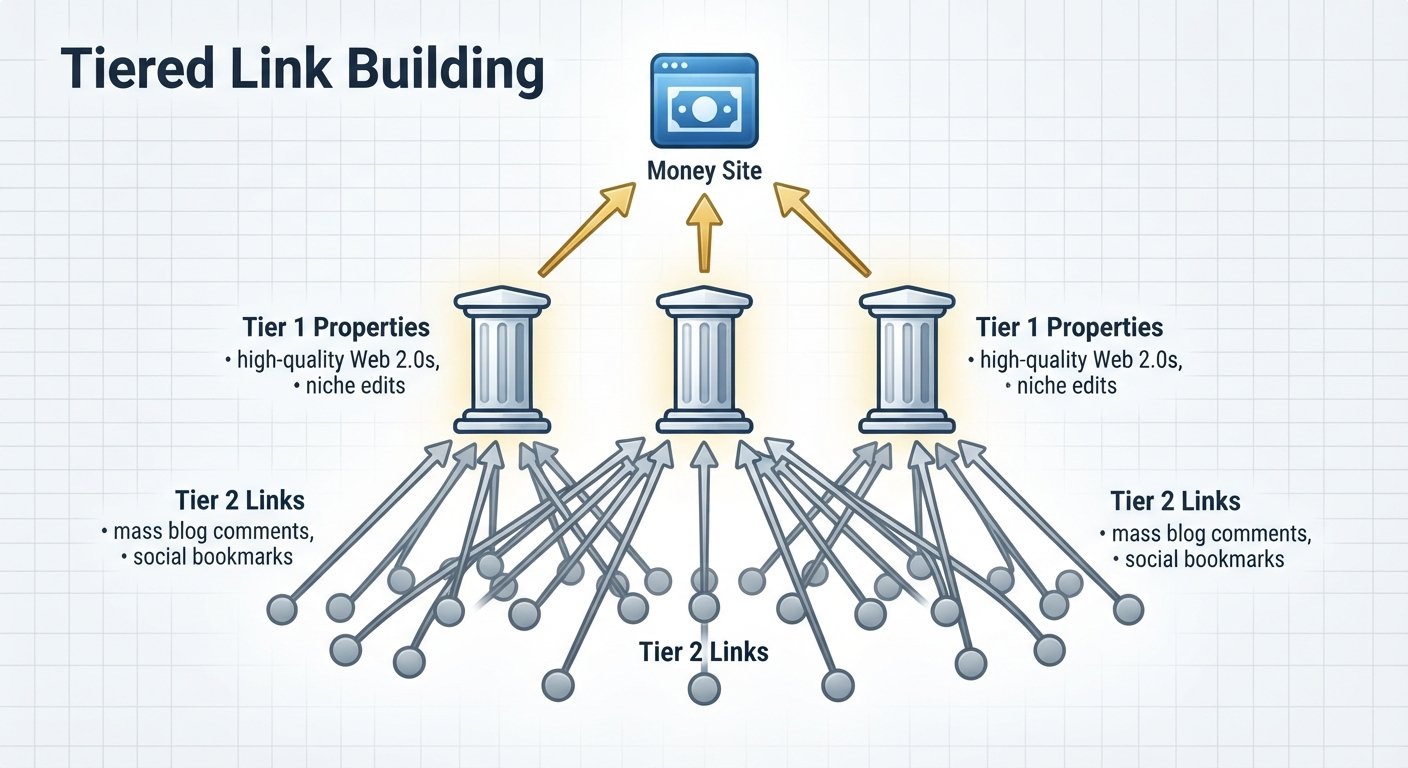
Most people try to shortcut the process by throwing exact-match anchor text at a fresh site. That’s how you get penalized. Instead, use a tiered approach.
I’ve written extensively on web 2.0 backlinks because, when done correctly, they provide the necessary buffer to protect your money site. A proper marketplace should offer you a mix of:
-
Tier 1 Contextual Authority: High-relevance, aged content that passes actual PageRank.
-
Tier 2 Buffer Sites: Properties that absorb the “noise” and signal to Google that your site is a legitimate brand, not a spam node.
How to Choose the Right Link Provider
When you’re browsing for links, ignore the vanity metrics like DA (Domain Authority) or DR (Domain Rating). Anyone can manipulate these numbers. Instead, look for these three things:
-
Transparency: Do they show you the sites they own? If they won’t show you a sample, don’t buy.
-
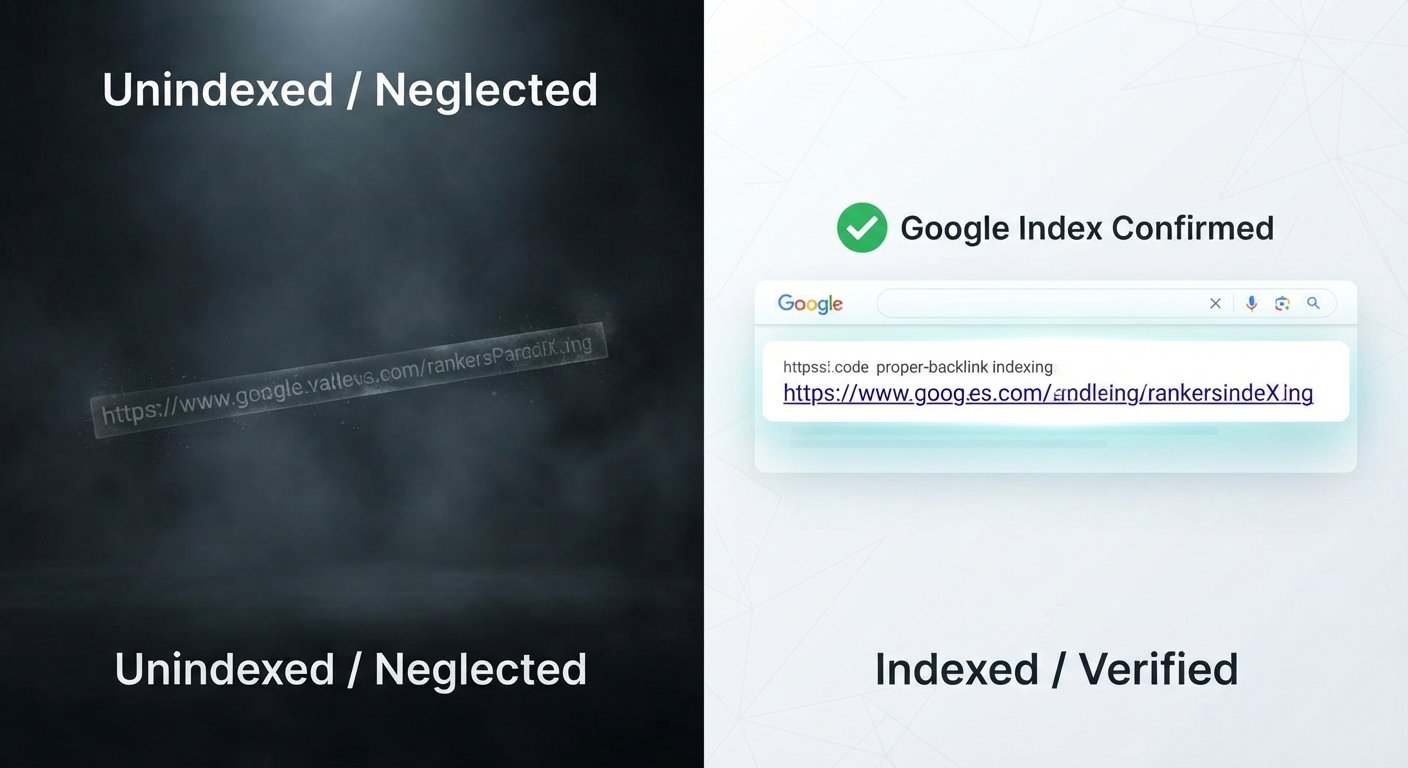
Indexing Protocols: Ask how they ensure the links get indexed. A link that never reaches Google’s index is just an expensive ghost.
-
Real-World Data: Are they just selling you a “package,” or are they selling you a strategy backed by results?
The Future of Link Building in 2026
Google’s search agents are getting smarter at spotting patterns. If your backlinks look manufactured, the algorithms will eventually catch up. This is why we focus on branded entities and natural-looking link velocity.
When you buy links, you aren’t just buying a path to the top of Google; you’re building the authority of your brand. You should be looking for niche-specific placements that provide value to the reader, not just a line of code in the footer.
Final Thoughts
Stop hunting for the “cheapest” link. Start hunting for the link that provides the most stable growth. If you are ready to stop guessing and start ranking, head over to the Rankers Paradise Shop. I’ve built my reputation on testing every single link type I sell, and I don’t put anything in the store that I wouldn’t use on my own money sites.
Need a custom strategy? Don’t just throw money at a marketplace. Understand the architecture of your site first. If you’re ready to get serious, let’s look at your profile and build a roadmap that works for the long haul.
(External Reference: For more on how major search engines are currently interpreting link quality, you can review the latest Google Search Quality Rater Guidelines.)