
If you are tired of playing guessing games with algorithm updates, wasting time on dead link networks, or watching your money sites stall on page two of Google, it is time to change how you approach off-page optimization.
Too many site owners buy random links in isolation—grabbing a guest post here, a forum link there, or a cheap automated blast that triggers an immediate manual penalty. That is not an SEO strategy; that is a lottery ticket.
To rank #1 in organic SERPs today, you need a cohesive, controlled, and battle-tested off-page blueprint. You need to order backlink campaigns that tie all the core ranking components together into a single, synchronized tier structure.
In this no-fluff guide, I am going to break down the exact 4-in-1 framework I use across my portfolio to rank difficult keywords, showing you how to combine buffer networks, aged authority, fresh editorial power, and master campaign architecture to dominate your niche.
The Problem with Isolated Link Building
Over the last 10 years building and testing backlinks at Rankers Paradise, I have audited hundreds of failed client sites. The number one mistake? Buying disjointed, single-source backlinks directly to a money site without any buffer protection or tier diversity.
If you hit a fresh site with aggressive anchor text and high-powered commercial links right out of the gate, Google’s automated filters spot the artificial footprint immediately.
A proper campaign architecture solves this by spreading link equity through a calculated sequence:
-
Buffer Protection: Absorb anchor text weight and shield your domain using controlled Tier-1 properties.
-
Instant Indexing & Power: Inject contextual authority through aged, active assets.
-
Topical Trust: Secure high-relevance editorial votes from real traffic-verified publications.
-
Unified Control: Coordinate every single asset into a balanced, natural-looking link profile.
The 4-in-1 Campaign Blueprint: Combining the Core Assets
To execute a winning backlink campaign, your strategy must incorporate four essential pillars. Each one serves a distinct purpose in moving your target keywords to the top of Google.
                          [ Order Backlink Campaigns ]
                                       │
         ┌───────────────────┬─────────┴─────────┬───────────────────┐
         ▼                   ▼                   ▼                   ▼
  [ Web 2.0 Backlinks ] [ Buy Backlinks ] [ Buy Niche Edits ] [ Buy Guest Posts ]
  (Buffer Layer)        (Campaign Hub)    (Aged Power)        (Topical Trust)
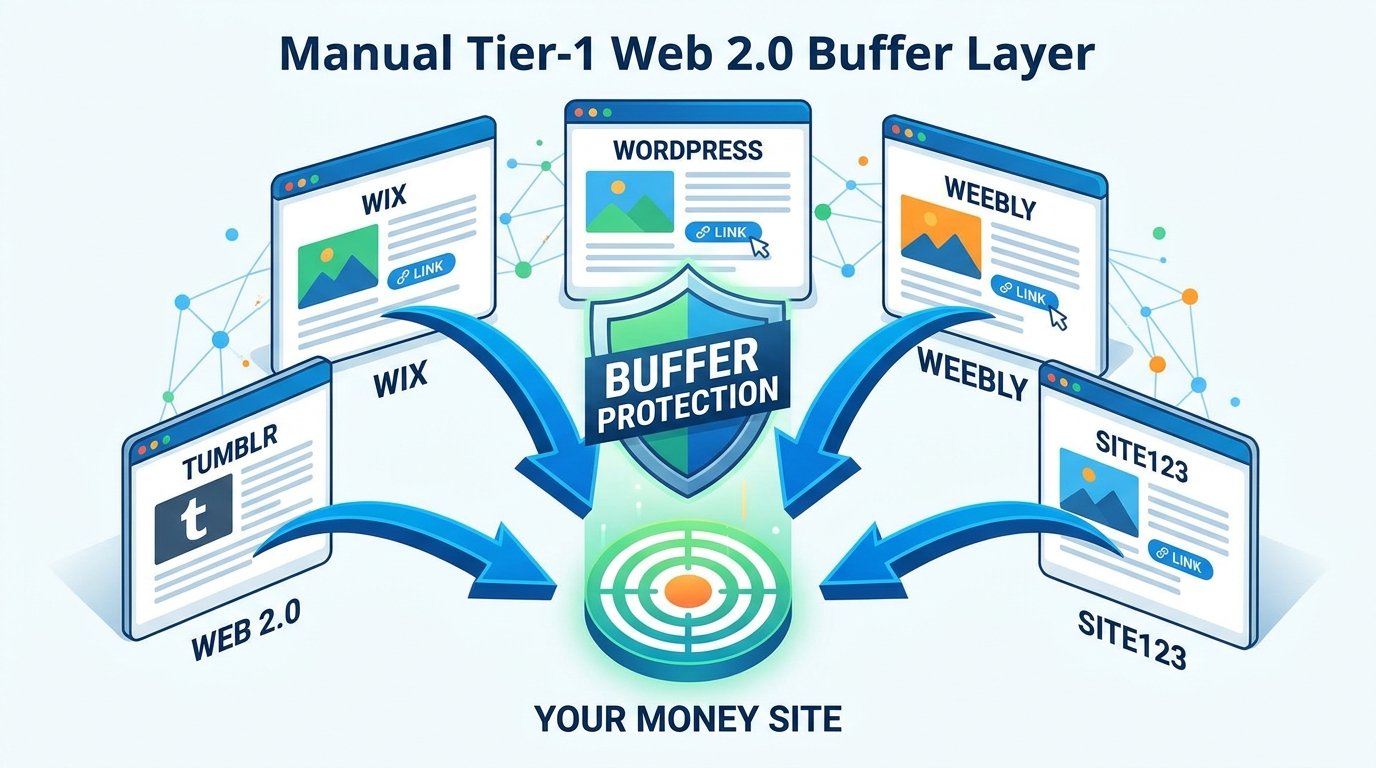
Pillar 1: Building a Safe Foundation with Web 2.0 Backlinks
Before you direct heavy commercial link juice straight to your money pages, you need a secure buffer layer. This is where controlled, high-authority blogging platforms come into play.
When you how to use web 2.0 sites for backlinks, you retain total control over the publishing environment. You can place contextual links, embed media, and route power safely down to your primary site while diffusing algorithmic risk.
-
The Execution: Set up manual properties on trusted platforms like WordPress, Weebly, and Wix. Use spun or unique supporting content, insert your media assets, and link downward using a balanced anchor text ratio (mixing brand, URL, and generic terms alongside your target keywords).
-
Why It Matters: These properties act as a shock absorber. They take the blunt force of aggressive tier building so your money site stays completely safe from filter updates.
Pillar 2: Accelerating Authority with Contextual Niche Edits
Waiting months for a brand-new blog post to crawl, index, and age naturally will stall your organic growth. If you want to bypass the indexation lag and inject immediate ranking power, you need to place your links inside content that Google already trusts.
When you buy niche edits, your contextual link is inserted directly into aged, existing articles that already possess historical trust, active indexation, and live keyword rankings.
-
The Execution: Target posts within your exact niche that have existing organic traffic. Ensure the linking page matches your semantic context so the algorithmic vote passes naturally without triggering relevancy flags.
-
Why It Matters: You skip the sandbox phase entirely. The search engine spiders crawl an established URL, recognize the fresh contextual link within historical code, and pass authoritative weight instantly.
Pillar 3: Securing Editorial Power with Guest Posts
Contextual niche edits provide aged power, but fresh editorial placements on active industry blogs provide raw topical relevance and brand-level validation.
When you buy guest posts, you are paying for unique, hand-written articles published on real websites with genuine traffic profiles and established backlink footprints.
-
The Execution: Secure placements on sites verified by metrics like Domain Rating (DR), Organic Traffic, and clean spam scores. Write comprehensive, high-value content that naturally integrates your contextual link back to your target asset.
-
Why It Matters: Modern algorithms look for real-world brand association. When active editorial sites in your vertical link out to your content, it sends an undeniable signal of authority and industry endorsement.
Pillar 4: Orchestrating the Complete Strategy
Buying individual links in a vacuum is a recipe for stalled rankings. The secret to running a successful campaign is orchestrating all these assets into a cohesive master plan.
When you how to buy backlinks, you must look at the big picture: balancing your anchor text distribution, building multi-tiered link wheels to pass power down efficiently, and ensuring every single external vote supports your primary commercial objectives.
Actionable Execution Checklist for Your Campaign
To ensure your newly published campaign page ranks effortlessly on Page 1 of Google, follow this technical on-page optimization checklist:
-
-
Exact-Match & Semantic Headings: Ensure your target short-tail keyword (
order backlink campaigns) appears naturally in your Title tag, H1 heading, and at least one H2 subheading. -
Keyword Density Control: Keep your primary keyword density strictly under 1% to prevent over-optimization penalties. Mention your variations naturally in the top, middle, and bottom sections of the article.
-
Internal Linking Bridges: Point contextual internal links directly to your core money pages using exact, highly relevant anchor text.
-
-
External Authority Citations: Reference authoritative resources like the Google Search Central Documentation to give your content deep E-E-A-T backing and technical credibility.
-
Instant Indexing: Push your finished URL directly through your indexing workflows so Googlebot crawls and registers the new asset immediately.
Save Time and Order Your Campaign Done For You
Building multi-tiered link architectures, vetting aged domains for niche edits, writing unique guest post content, and managing buffer networks takes serious time, technical testing, and operational overhead.
If you want to skip the manual grinding and put proven, battle-tested ranking systems to work on your website right now, head over to the Rankers Paradise SEO Store and explore our hands-off monthly and campaign-based packages. Get the exact infrastructure you need to lock down top Google rankings safely and permanently.