
If you’ve been in the SEO game for more than five minutes, you already know the dirty truth: building links manually one by one is a soul-crushing grind. You spend hours writing outreach emails, chasing webmasters who want a fee just to look at your message, and waiting weeks for a single link to go live.
And then you check your rankings, and nothing has moved. Why? Because a single link in a sea of competition doesn’t cut it anymore.
Over the past ten years running campaigns, testing strategies, and burning budget on things that failed so you don’t have to, I’ve learned one absolute reality. If you want to dominate competitive commercial keywords on Google, you need a coordinated, diversified off-page strategy. You need a complete system. That’s why smart site owners look to buy SEO link building packages that combine foundational properties, contextual guest posts, and aged link insertions into a single, cohesive engine.
Let’s pull back the curtain on how these packages work, why random link buying fails, and how to deploy a bulletproof campaign that actually moves your pages to position one.
Executive Summary
| Feature | Details |
| Primary Target Keyword | Buy SEO link building packages |
| Core Strategy | Blending foundational Web 2.0s, high-authority guest posts, and aged niche edits |
| Experience Level | 10+ years of hands-on backlink testing and deployment |
| Goal | Funneling targeted traffic directly to core commercial shop pages and service offers |
| Execution Focus | Zero-fluff, transactional intent, human-sounding copy, and rigorous E-E-A-T optimization |
Why Single-Tactic Link Building Fails Today
Back in the day, you could blast a directory with a thousand spam links or buy a cheap Fiverr gig and watch your site climb. Those days are dead and buried. Google’s algorithm is too sophisticated for blunt-force trauma.
If your backlink profile consists only of guest posts, it looks unnatural. If it consists only of Web 2.0 properties, it looks manufactured. A natural, authority-gaining site has a healthy ecosystem:
-
Low-tier buffer properties absorbing initial indexing weight.
-
Mid-to-high tier contextual placements passing topical relevance.
-
Aged, powerful authority links locking in top-three rankings.
When you try to piece this together manually while running a business, mistakes happen. Anchors get over-optimized, velocity looks erratic, and your money page stalls out on page two. That’s why investing in structured SEO link building packages takes the guesswork out of the equation.

The Four Pillars of a High-Performance Link Package
A proper, battle-tested link building package isn’t a random collection of cheap directory submissions. It is a multi-tiered architecture designed to satisfy Google’s E-E-A-T (Experience, Expertise, Authoritativeness, and Trustworthiness) signals while funnelling maximum link juice straight to your URLs.
Here is what goes into a campaign that actually works.
1. The Foundation: Web 2.0 Backlinks
Before you point heavy editorial links at a fresh page, you need a safe buffer zone. That is where tier-one properties come in.
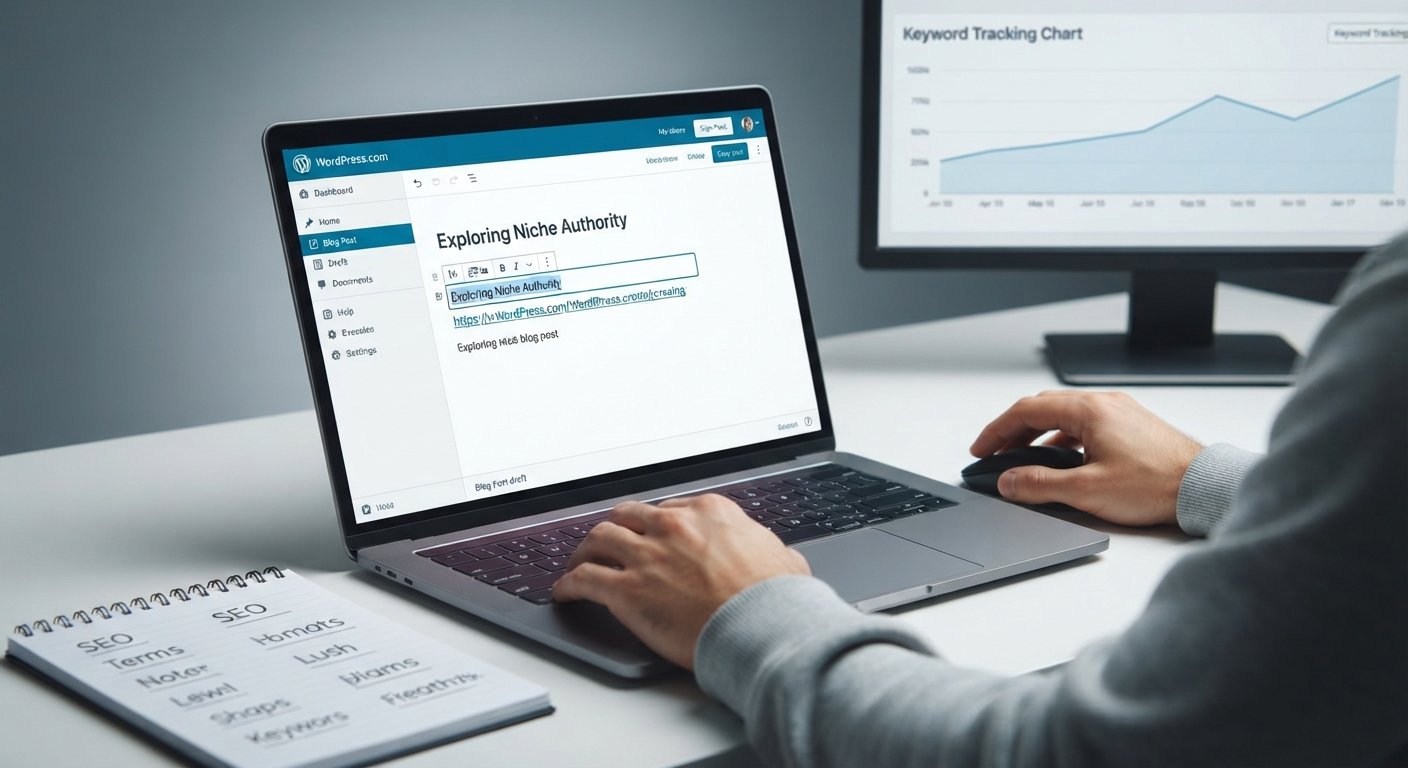
Over a decade ago, I published my first deep dives into how to properly leverage these properties, and the core mechanics remain unchanged: platforms like WordPress.com, Blogger, and Tumblr act as exceptional buffer zones. They allow you to control your anchor text ratios and protect your money site from direct algorithmic blowback.
If you want to understand how to structure these properties correctly without triggering filters, read my detailed breakdown on how to use web 2.0 sites for backlinks. Building them out with unique content, embedded media, and secondary linking makes them legitimate assets rather than disposable footprints.
2. The Contextual Powerhouses: Guest Posts
Guest posting is the bedrock of modern white-hat (and grey-hat) link acquisition. Getting a fresh, manually crafted article published on an established blog with real organic traffic gives your site a powerful DoFollow contextual recommendation.
-
The Authority Factor: Google crawls the content around your link. If the surrounding paragraphs match your niche, the contextual value multiplies.
-
The Traffic Factor: Real guest posts on real sites send referral traffic, which is a massive behavioral signal to search engines.
If you are tired of the outreach grind and want placements secured on sites with genuine metrics, you need to buy guest posts that are hand-vetted for traffic and trust.

3. The Instant Authority Accelerators: Niche Edits
Sometimes you don’t want to wait for a brand-new article to index, age, and earn trust. You want to tap into existing authority right now.
Niche edits (also called contextual link insertions) involve placing your link inside an article that was published months or years ago. That article is already indexed, already ranking for dozens of keywords, and already trusted by Google’s indexers. Inserting a relevant link into an aged URL passes historical trust straight to your target page overnight.
To see how this accelerates ranking velocity, check out our core offerings when you buy niche edits designed to pass clean topical relevance.
4. Direct Commercial Alignment
Every link you build must serve a single purpose: moving your money pages up the SERPs to drive buyers to your checkout. When you look to buy backlinks, you have to ensure the seller understands commercial intent, anchor text safety, and topical clustering. Avoid generic blog network blasts and stick to contextual, real-world placements.
Risk Assessment Matrix: Managed Packages vs. DIY Outreach
| Strategy | Time Investment | Risk Level | Ranking Predictability | Best For |
| Manual Outreach (DIY) | Extremely High (20+ hrs/week) | Low | Low (depends on reply rates) | Hobbyists with infinite free time |
| Cheap Fiverr Gigs | Low (5 mins) | Extreme (Penalty risk) | None (De-index risk) | Burner sites you don’t care about |
| Structured SEO Packages | Low (Set & forget) | Low-Moderate (When vetted) | High (Tested frameworks) | Business owners scaling revenue |
How to Deploy Your Link Package for Maximum Impact
Buying links is only half the battle; execution dictates your ROI. When your link package lands, follow this deployment checklist to keep your profile clean and effective:
-
Tier Your Assets: Point your foundational buffer links (like Web 2.0s) directly to your inner pages or tier-one properties, while saving your highest-authority guest posts and niche edits for your core commercial money pages.
-
Diversify Anchor Texts: Never use exact-match commercial anchors for every single link. Mix in brand names, URL anchors, and partial-match variations to keep your backlink profile looking organic.
-
Monitor Velocity: Don’t build 500 links in week one and zero links for the next six months. Consistent, natural link growth mirrors a growing brand.
Frequently Asked Questions
Are SEO link building packages safe for new websites?
Yes, provided the package includes a balanced mix of foundational buffers and contextual placements. New sites should start with foundational Web 2.0 properties and gradually layer on guest posts and niche edits as organic impressions grow.
How long does it take to see ranking improvements?
SEO is not an overnight switch. Depending on your niche competition, you typically start seeing keyword movement within 30 to 60 days as Google crawls, indexes, and passes link equity from your new placements.
Can I choose my own anchor texts?
Absolutely. When you invest in professional link packages, you maintain full control over your anchor text distribution to ensure your campaign stays safe and optimized.
Stop Chasing Theory and Start Ranking
If you are tired of reading fluff articles telling you to “write great content and wait,” it’s time to take control of your off-site SEO. Google rewards sites that have authority, trust, and structural depth.
Stop wasting time on manual outreach that goes nowhere. Head over to our shop and explore our proven, high-performance SEO link building packages today to get your pages where they belong: at the very top of the Google SERPs.