
If you run an SEO agency or manage your own money sites, you already know how exhausting off-page optimization can be. You spend weeks building content, optimizing your title tags, fixing schema, and tweaking your internal link graph—only to watch your target URL stall out on page two of Google.
The missing link is almost always the link profile itself.
Too many site owners throw money at random Fiverr gigs or spam software, hoping something sticks. When it fails, they blame Google’s algorithm. The truth is simpler: they aren’t using structured SEO link packages designed around real-world testing.
Over the last decade operating Rankers Paradise, I’ve tested nearly every link-building tactic under the sun. Some strategies burned sites to the ground. Others produced bulletproof #1 rankings that stuck through core updates.
In this guide, I’m pulling back the curtain on how we structure high-performing link packages, how we blend different link types safely, and why you need a diversified approach if you want to outrank your competitors.
Why Generic Link Building Fails (And What to Do Instead)
Let’s be honest. If you buy a cheap $10 backlink package from an automated marketplace, you aren’t buying links—you’re buying a one-way ticket to a manual action or a algorithmic filter.
Google’s core algorithms are exceptionally good at identifying unnatural link velocity and footprint patterns. If 500 links hit your new domain overnight from unrelated blogs with zero organic traffic, the system flags it instantly.
To win today, your off-page profile needs to mimic natural, organic growth. That means combining multiple link types that serve distinct purposes:
-
Buffer networks to control anchor text ratios and shield your money site.
-
Niche edits to inject instant authority from aged, indexed pages.
-
Guest posts to build top-level topical relevance and editorial trust.
If you want to understand the foundational rules of acquiring links safely without risking your main asset, read our complete guide on how to buy backlinks. It breaks down the exact vetting metrics we live by.
1. Web 2.0 Backlinks: The Ultimate Buffer and Anchor Shield
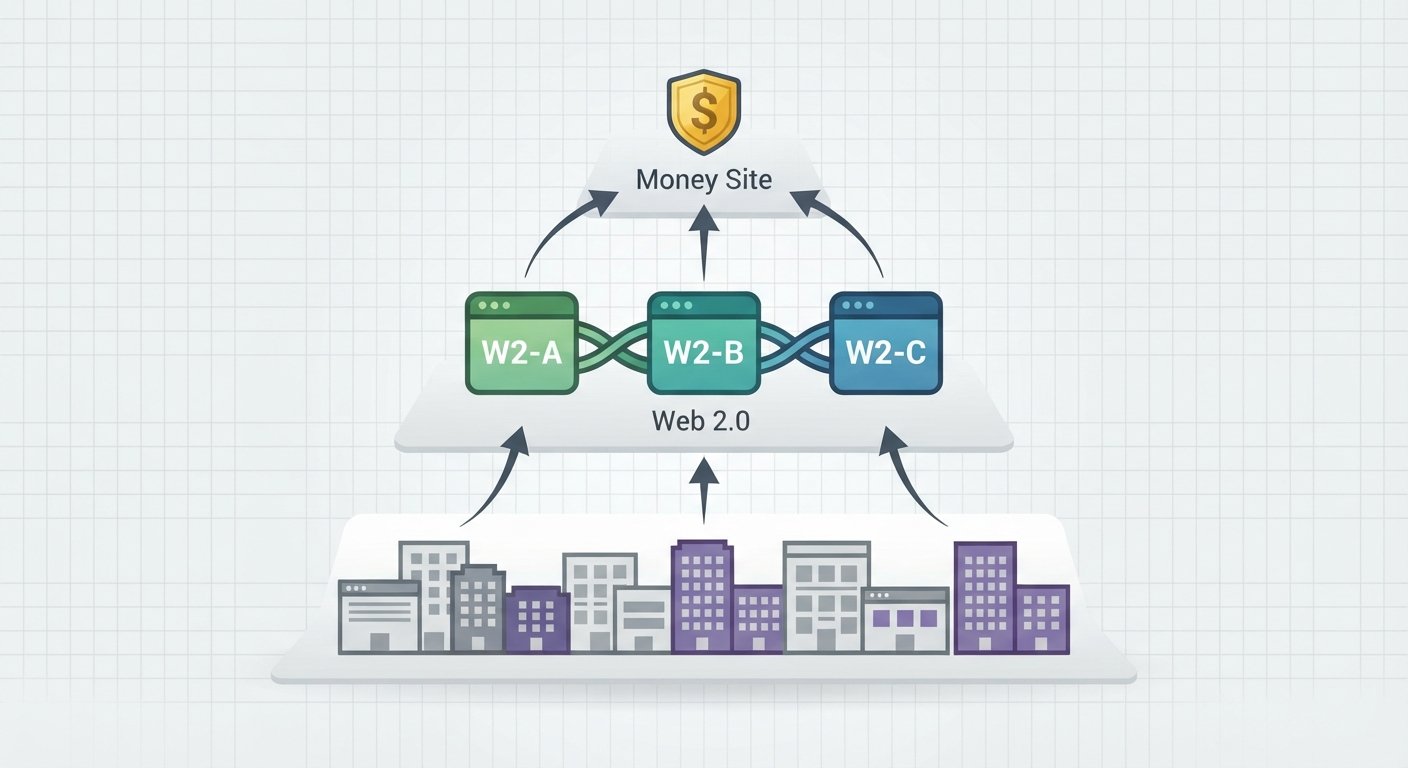
Never point aggressive, exact-match commercial anchors straight from high-powered guest posts to your money site. If you want to rank for competitive phrases, you need a buffer layer.
Web 2.0 properties give you total control over the content, outgoing links, and anchor text distribution. When executed correctly, they act as a sponge for link juice while protecting your money page from aggressive link velocity.
-
How We Build Them: We don’t just spin 300 words of garbage on a brand-new blog. We use aged subdomains, publish unique, media-rich content, and structure them into tiered linking architectures.
-
The Blueprint: If you want to master this strategy yourself, check out my step-by-step tutorial on how to use web 2.0 sites for backlinks. It covers everything from platform selection to avoiding common footprint traps.
2. Niche Edits: Bypassing the Indexation Waiting Period
Waiting months for Google to crawl and index a brand-new guest post is frustrating. If you are trying to capture fast ranking momentum, waiting for natural discovery won’t cut it.
This is where niche edits (contextual link insertions) come into play. Instead of waiting for a new page to gain traction, you place your link inside an existing, aged article that is already indexed, ranking, and pulling in organic traffic from Google.
-
Why They Work: The host page already has established trust flow and authority in Google’s eyes. Dropping a contextual link surrounded by tightly relevant semantic text passes equity immediately.
-
How to Get Them Right: You can explore our tested inventory and secure placements through our professional buy niche edits service page, where we vet every single host URL for organic traffic floors and clean backlink histories.
For broader industry standards on contextual link evaluation, you can also reference resources like Ahrefs’ Link Building Guide for foundational backlink metrics.
3. Guest Posts: Building Real Editorial Authority
Guest posting remains the gold standard of white-hat off-page SEO. Landing an editorial link wrapped in fresh, high-quality, niche-specific content on a real, thriving blog signals high-level trust to search engines.
However, the industry is flooded with PBNs (Private Blog Networks) disguised as real guest post sites. If a site has 50 outbound links to sketchy casino and crypto sites, stay away.
-
What to Look For: Real traffic from Google Analytics or Search Console, low outbound link counts, and genuine niche alignment.
-
Our Approach: We handle the manual outreach, content creation, and placement vetting so you don’t have to waste time dealing with unresponsive webmasters. You can view our live inventory and packages directly on our buy guest posts page.

Risk Assessment Matrix: Choosing Your Link Strategy
| Link Type | Primary SEO Function | Risk Level | Best Used For |
| Web 2.0 Backlinks | Anchor text control & buffer architecture | Low–Medium | Shielding money sites & passing tiered equity safely |
| Niche Edits | Immediate page authority & indexation power | Low (with traffic vetting) | Capturing fast ranking momentum on stagnant keywords |
| Guest Posts | Topical relevance & top-level editorial trust | Very Low (manual outreach) | Pushing primary keywords from Page 2 to Page 1 |
Final Thoughts: Putting Your SEO Link Package Together
Ranking a website in 2026 isn’t about finding a magic bullet or gaming a temporary loophole. It’s about building a robust, natural-looking link profile that satisfies search intent and proves your site’s authority to Google.
If you combine the safety of buffer properties, the immediate power of contextual edits, and the long-term trust of editorial guest posts, you create an unstoppable ranking machine.
Stop guessing what works. Explore our proven, tested campaigns and choose the right approach for your site on our store.