
If you have been in the trenches of search engine optimization for any length of time, you already know the unvarnished truth: static theory and automated shortcuts do not move modern Google rankings.
Every single week, site owners email me at Rankers Paradise complaining that their rankings have flatlined. When I pull up their backlink profiles, the issue is glaringly obvious. They treat off-page SEO like a one-off grocery list. They buy a random batch of cheap links, point them all at their money site with aggressive exact-match anchor text, and cross their fingers.
That is not how you build a sustainable search engine presence.
If you want to rank on Page #1 for competitive commercial terms, you have to approach your off-page strategy like managing a professional commercial link building inventory. You need a diversified, calculated blend of asset classes—contextual guest posts, aged niche edits, and safe Web 2.0 buffer networks—distributed with surgical precision.
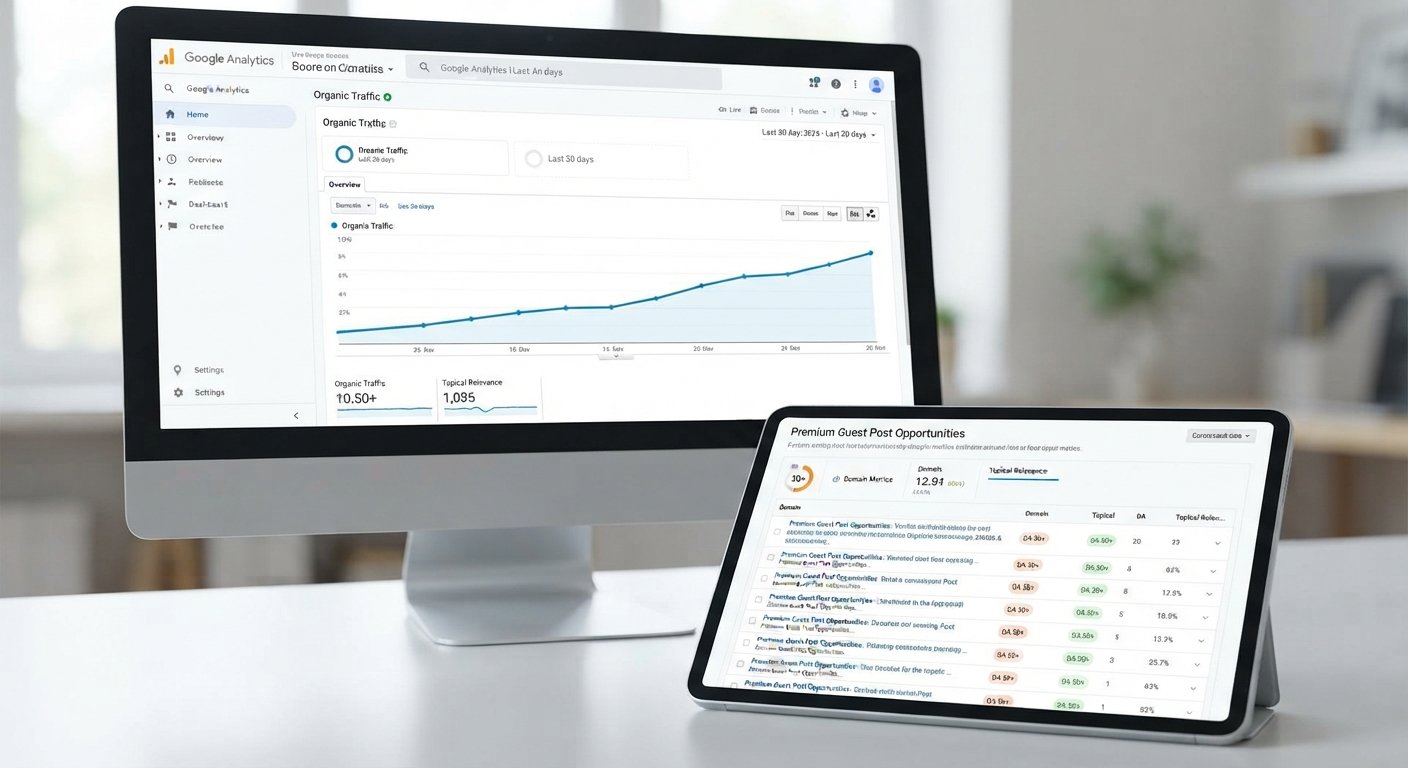
What Is a Commercial Link Building Inventory?
Think of a commercial link building inventory as your active portfolio of off-page ranking assets. Just like a high-end retail operation cannot survive on a single product line, a competitive money site cannot rank on the back of just one type of backlink.
Google’s algorithm looks at link velocity, anchor text distribution, contextual relevance, and domain trust flow. If your entire backlink profile consists of guest posts bought from the exact same private blog network footprint, you are walking a tightrope without a net.
A proper commercial inventory diversifies risk while compounding ranking power across three core pillars:
-
Contextual Guest Posts: Fresh, relevant content placed on real websites with established organic traffic.
-
Niche Edits (Contextual Links): Links inserted into aged, already-indexed articles that carry historical trust.
-
Web 2.0 Buffer Networks: Subdomain properties that absorb algorithmic volatility and pass clean, tiered link equity.
When managed correctly, these assets work in tandem to safely push your core pages to the top of Google organic SERPs.

Pillar 1: High-Authority Guest Posts for Direct Relevance
Guest posting remains one of the most reliable ways to pass contextual authority, provided you are vetting the host domains correctly.
Why Guest Posts Belong in Your Inventory
When you secure a guest post on a relevant, traffic-receiving website, you aren’t just getting a backlink—you are getting a vote of confidence from a peer in your industry. Google sees the surrounding topical context, the natural outbound link neighborhood, and the real human referral traffic.
If you want to understand how to evaluate real metrics rather than inflated toolbar numbers, take a look at my comprehensive guide on how to buy backlinks. It covers the exact vetting checklist I use before spending a single dollar of my budget.
Operational Rules for Guest Posts
-
Real Organic Traffic: Never buy a guest post from a site with zero organic traffic in Google Search Console or Ahrefs. If Google doesn’t care about the page, a link on it won’t move your rankings either.
-
Content Quality: The article hosting your link must read naturally and provide genuine value to the reader. Spun, unreadable garbage gets deindexed, dragging your link down with it.
Pillar 2: Niche Edits to Leverage Aged Index Authority
While guest posts require publishing new content, niche edits (also known as contextual link insertions) tap into the existing power of aged, indexed pages.
The Power of Aged URL Equity
When Google crawls an article that has been live for three years, has steady historical rankings, and possesses an established internal link structure, that page holds genuine authority. Inserting your contextual link into that existing article passes link equity instantly. You skip the waiting period required for a brand-new post to get indexed and trusted by the search engine.
If you are looking to add aged contextual power to your campaign, you can explore professional options via my service page to buy niche edits.
Best Practices for Niche Edits
-
Topical Match: The host article must be closely related to your target keyword. Sticking a casino link inside a baking recipe blog screams unnatural manipulation.
-
Clean Outbound Link Profile: Check how many other outbound links exist on that specific page. If the page is already stuffed with dozens of commercial links, the link juice passing to your site is diluted to almost nothing.

Pillar 3: Web 2.0 Backlinks as Safe Buffer Networks
Directly pointing aggressive commercial anchor text at your money site can trigger algorithmic filters. This is where Web 2.0 properties become your best friend.
How Buffer Networks Protect Your Money Site
Web 2.0 platforms (such as Medium, WordPress.com, and Tumblr) allow you to spin up free, authoritative subdomain assets. By building your tier-1 links to these Web 2.0 properties—and then pointing those properties to your money site—you create a safe buffer layer.
If you want to master the mechanics of building these properties without triggering footprint penalties, read my complete breakdown on web 2.0 backlinks. It details how to set up tier structures that safely pass link equity while keeping your primary domain insulated from risk.
For a deeper dive into advanced multi-tier mapping, you can also study the classic blueprint outlined in my guide on the Web 2.0 link wheel.
How to Balance Your Commercial Link Inventory
Building a winning campaign requires treating your link profile like a balanced portfolio. Here is the exact ratio framework I use when structuring campaigns for competitive commercial niches:
| Link Asset Class | Primary Role in Inventory | Recommended Budget Allocation |
| Guest Posts | Direct topical authority & high-impact ranking movement | 40% |
| Niche Edits | Immediate juice from aged, indexed pages | 40% |
| Web 2.0 Backlinks | Tiered buffering, indexation acceleration, & anchor diversity | 20% |
Why Diversification Wins in 2026
Google’s core updates continuously target single-strategy link profiles. If an SEO campaign relies 100% on guest posts or 100% on PBNs, it is vulnerable to algorithmic volatility. By maintaining a diversified commercial inventory, your site absorbs algorithm shifts smoothly and maintains steady upward momentum in the SERPs.
Conclusion: Take Control of Your Off-Page Assets
Stop guessing what works in search engine optimization and start treating your link acquisition like a measurable, systematic inventory. Combine the instant contextual power of guest posts, the aged authority of niche edits, and the protective buffer of Web 2.0 networks, and you will have an unshakeable foundation capable of dominating competitive search results on Google.