
If you want to rank #1 on Google today, automated spam tools and quick-fix link packages aren’t going to cut it. Search engines are smarter, algorithms filter out garbage faster, and a poorly structured profile will tank your domain before you ever see first-page traffic.
I’ve been testing, building, and scaling backlinks since 2016. I’ve watched core updates wipe out entire networks, and I’ve watched strategic, multi-layered link campaigns push competitive money pages straight to the top of Google.
Running a comprehensive seo link building campaigns strategy isn’t about throwing a thousand random links at your site and hoping something sticks. It’s about building a natural, powerful ecosystem of contextual links, tiered structures, and authority signals that look completely natural to search engine crawlers.
Here is the exact framework I use to build campaigns that rank.
What is a Comprehensive SEO Link Building Campaign?
A comprehensive campaign doesn’t rely on just one type of backlink. If all your links come from guest posts, or all from Web 2.0s, your profile looks manufactured.
A real campaign combines multiple assets:
-
Contextual Authority: High-relevance placements that pass real editorial trust.
-
Tiered Buffers: Protecting your money site by routing link juice through intermediary tiers.
-
Diverse Anchor Text Profiles: Balancing exact-match, branded, and URL anchors to avoid over-optimization penalties.
If you are looking to scale up your off-page efforts without spending years testing what works, you need to understand how these pieces fit together. For a deep dive into sourcing safe, high-performing assets, check out my guide on how to buy backlinks.
Phase 1: Foundation and Tiered Buffer Setup
Before you send high-powered links directly to your money site, you need a safe foundation. This is where tiered link building comes into play.
If you want to understand how to leverage free properties safely without triggering algorithmic filters, look at my guide on web 2.0 backlinks.
Why Tiered Link Building Works
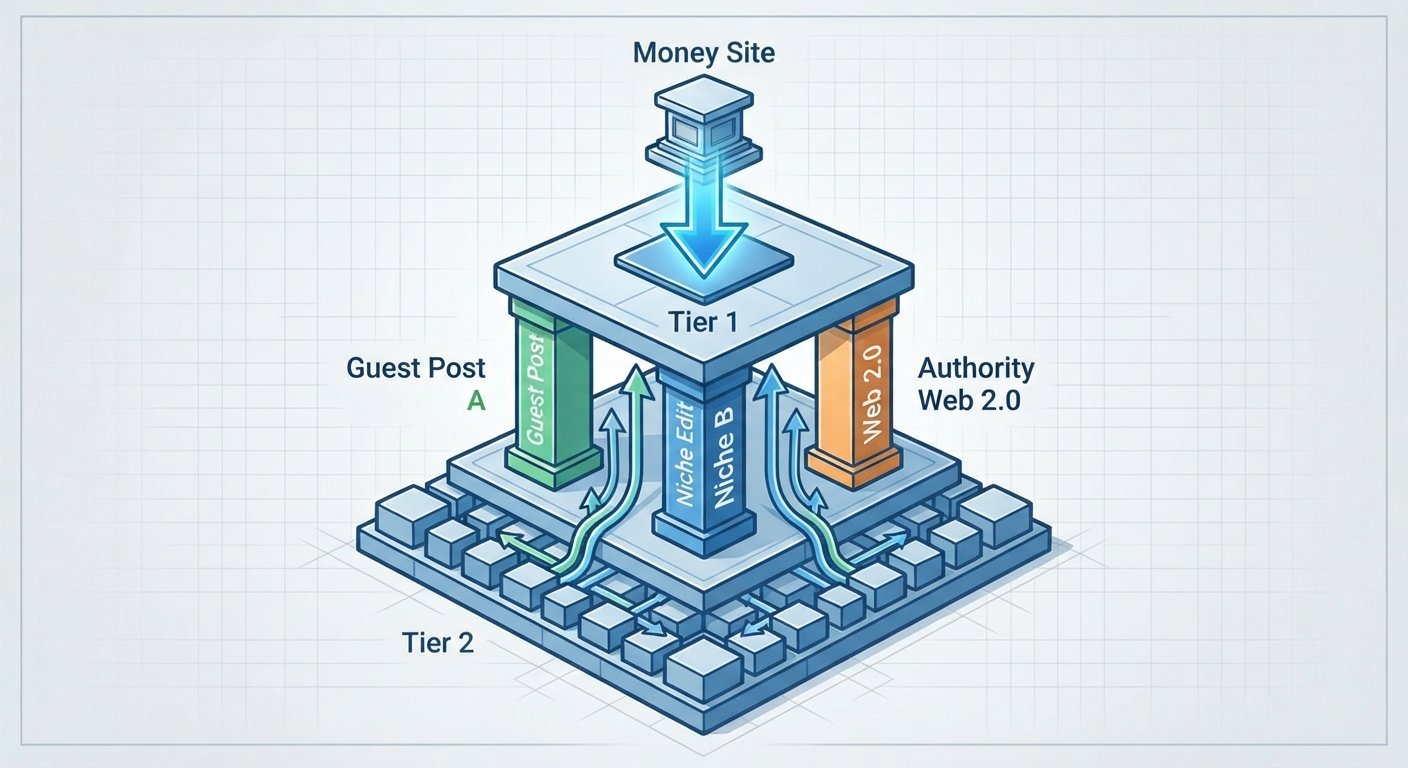
Instead of pointing raw, unvetted tier-two links at your homepage, you point them at tier-one properties (like Web 2.0 blogs, guest post URLs, or social profiles). This creates a buffer zone.
-
Tier 1: High-quality guest posts, niche edits, and authoritative properties pointing directly to your money site.
-
Tier 2: Web 2.0s, forum links, and directory submissions pointing to your Tier 1 assets to juice up their authority.
This setup insulates your domain from any potential footprint issues while maximizing the link juice flowing to your core pages.
Phase 2: Core Components of a Winning Campaign
A top-tier link profile requires a blend of contextual power and contextual relevance. Let’s break down the primary assets you need to include.
1. Niche Edits (Contextual Links)
Niche edits (also known as older contextual links) are one of the most powerful ranking tools available today. Instead of waiting for a new blog post to get indexed and gain authority, you place a link inside an existing article that already has Google history, indexed pages, and organic traffic.
When executed correctly, search engines treat these links as natural editorial endorsements. If you want to fast-track your rankings with established content, take a look at my service options to buy niche edits.
2. High-Authority Guest Posts
Guest posting isn’t dead—only spammy guest posting is dead. Writing a unique, value-driven article for a real, traffic-driving website within your industry remains a gold standard for off-page SEO.
When you secure a guest post, you aren’t just getting a backlink; you’re getting targeted referral traffic and a strong relevance signal. To secure placements on vetted, real-traffic blogs, explore how to buy guest posts.
Phase 3: Structuring Your Campaign for Maximum Impact
To make your campaign look organic to Google’s algorithm, you must manage your anchor text ratios and velocity carefully.
Anchor Text Distribution Strategy
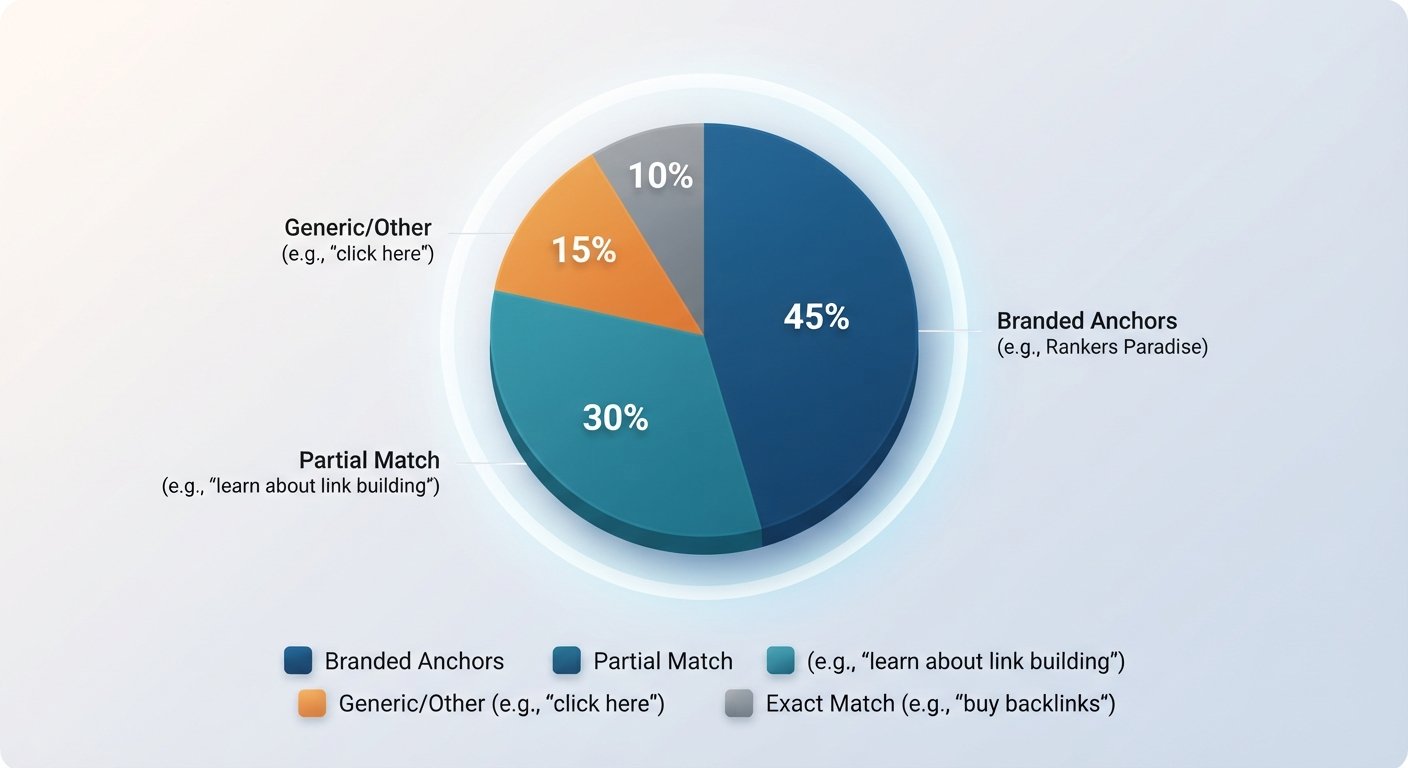
If 80% of your backlinks use the exact-match anchor “comprehensive seo link building campaigns,” Google’s Penguin algorithm will penalize you faster than you can blink. Keep a healthy, natural balance:
-
Branded Anchors (40-50%): Your brand name or website URL (e.g., Rankers Paradise).
-
Partial Match / Topic Anchors (25-30%): Variations like learn about SEO link building or effective campaign strategies.
-
Exact Match (5-10%): Use sparingly for your primary target keyword.
-
Generic Anchors (10-15%): Phrases like click here, read more, or this guide.
For authoritative insights on how search engine spiders evaluate link signals and anchor text safety, you can read more via Google Search Central.

Phase 4: Tracking and Measuring Success
You can’t improve what you don’t measure. Once your campaign is live, you need to track the right metrics:
-
Keyword Rankings: Monitor movement for your primary and secondary long-tail keywords using tools like Ahrefs or Semrush. For industry benchmarks on SEO metrics, check out Ahrefs Blog.
-
Indexed Backlinks: Ensure your links are actually being crawled and indexed by Google. Unindexed links pass zero value.
-
Organic Traffic Growth: The ultimate metric. Rankings are nice, but sustained, growing organic revenue is what matters.
Final Thoughts
Running successful comprehensive seo link building campaigns comes down to discipline, testing, and avoiding shortcuts that promise the world for five dollars. Build real assets, protect your domain with tiered buffers, mix up your anchor texts, and focus on genuine contextual relevance.
If you stick to these fundamentals, you’ll outrank competitors who rely on automated spam every single day.