
If you have been following my work here at Rankers Paradise since I published my first guide back in 2016, you already know one fundamental truth about search engine optimization: generic shortcuts do not work.
Every single week, site owners email me complaining that their rankings have flatlined. When I pull up their backlink profiles, it’s always the same pathetic story. They bought a cheap 5,000-backlink package off a shady marketplace, pointed a wall of spam directly at their money site, and watched Google smash their traffic into the dirt.
Let’s get one thing straight right out of the gate. Off-page SEO in 2026 isn’t about volume. It’s about architecture, contextual relevance, trust, and natural link velocity. If you want to dominate competitive search engine results pages (SERPs), you cannot rely on a single isolated tactic. You need a synchronized system. That is why smart site owners look to buy seo link packages that blend foundational buffer properties with high-authority editorial placements.
In this guide, I’m pulling back the curtain on how I structure campaigns, what actually moves the needle, and how to deploy a bulletproof link ecosystem that keeps your domain safe from algorithmic penalties.
Why Isolated Link Building Fails (And Why Packages Win)
Most beginners make the mistake of treating link building like a trip to a vending machine. They buy ten guest posts today, wait a month, and wonder why nothing happened. Or worse, they build a batch of low-tier links and point them straight at their homepage with aggressive exact-match anchor text.
Google’s algorithms are far too sophisticated for that amateur hour nonsense.
A successful ranking campaign requires depth and diversity. When you invest in comprehensive SEO link packages, you are building a multi-layered asset tree. You need tier-one properties to pass direct authority, contextual placements to establish niche relevance, and safe buffer tiers to absorb anchor text distribution safely.
If you want to understand the mechanics of how to properly acquire authority without triggering filters, you should read my complete breakdown on how to buy backlinks. It lays out the exact risk assessment metrics I use before a single anchor text is written.
The 4 Pillars of High-Performing SEO Link Packages
A truly effective link package is never one-dimensional. It acts as an ecosystem. To rank #1 for high-intent commercial keywords, your campaign must integrate four core link formats seamlessly.
1. The Foundation: Web 2.0 Buffer Blogs
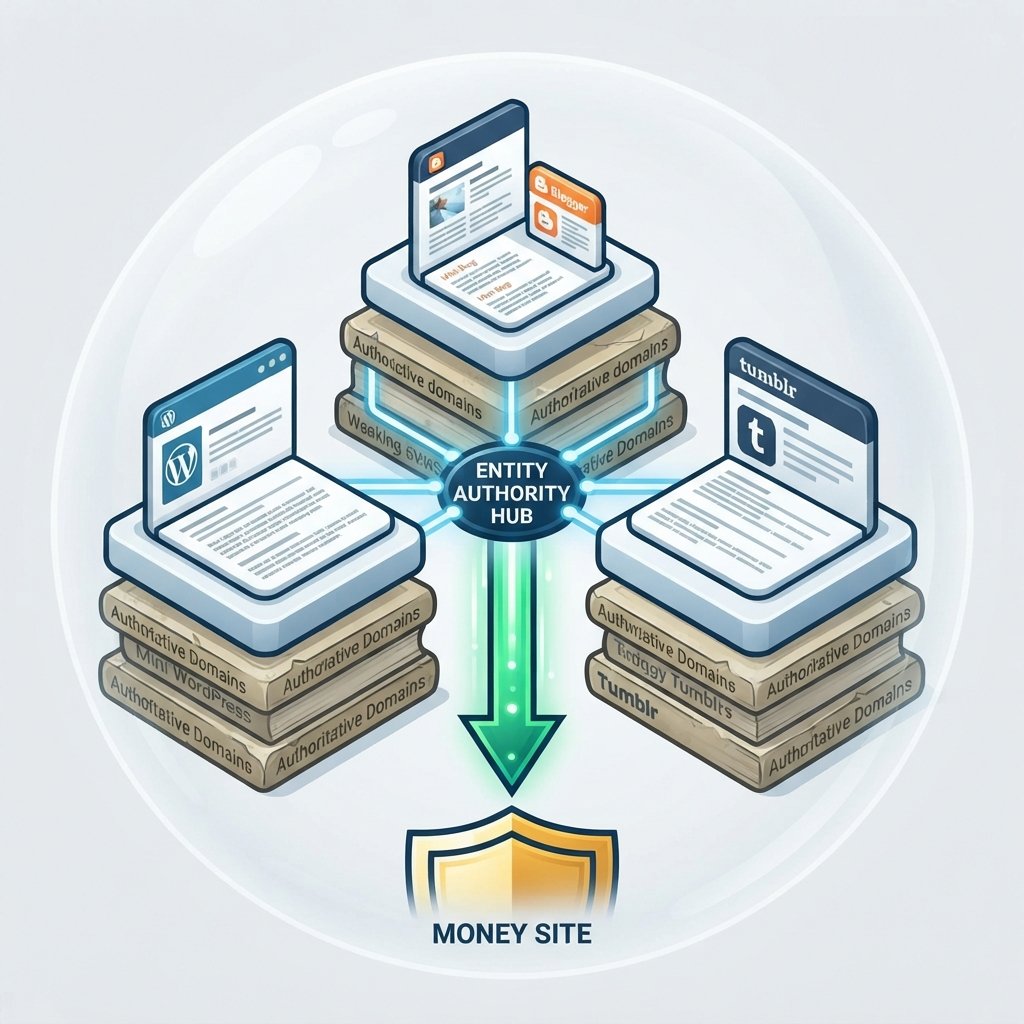
Before you send heavy link juice to your money site, you need trusted buffer properties in place. Platforms like WordPress.com, Blogger, and Tumblr act as feeder sites that can be fully optimized for your brand entities and secondary keywords.
Over the years, I’ve tested every variation of tiered linking. Done right, Web 2.0 properties insulate your main domain, act as traffic drivers, and pass clean contextual authority. If you want to build these out yourself or understand how to structure them properly without getting de-indexed, check out my guide on web 2.0 backlinks.
2. The Contextual Powerhouses: Guest Posts
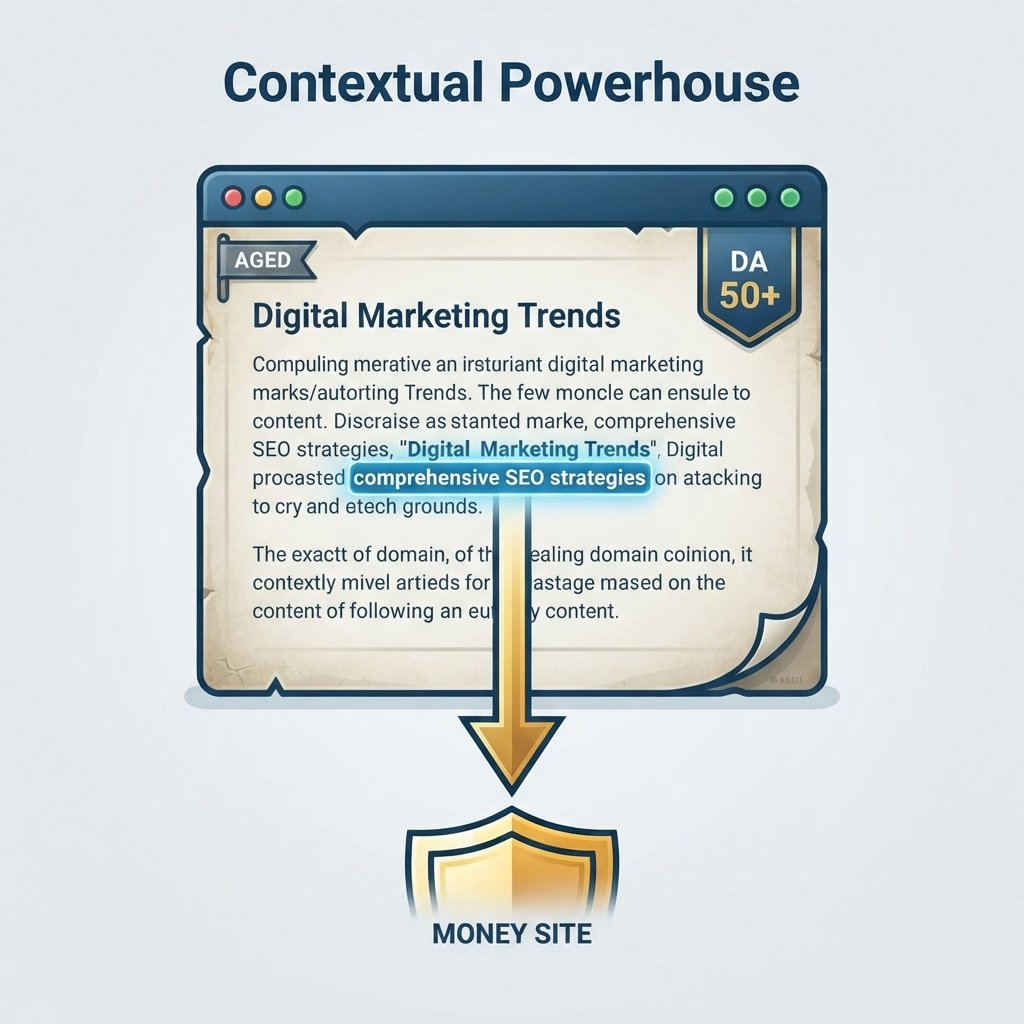
Guest posting is still one of the cleanest ways to secure top-tier editorial links, provided you aren’t buying from spammy PBN farm networks disguised as real blogs. A real guest post places your content on an actively indexed site with organic traffic, real human readers, and clean backlink metrics.
When your link sits inside a freshly written, highly relevant article surrounded by natural outbound links to authoritative resources (like industry standards found on Search Engine Journal), Google recognizes the contextual authority instantly. To see how I vet and secure these placements, take a look at my service page to buy guest posts.
3. The Instant Authority Boost: Niche Edits
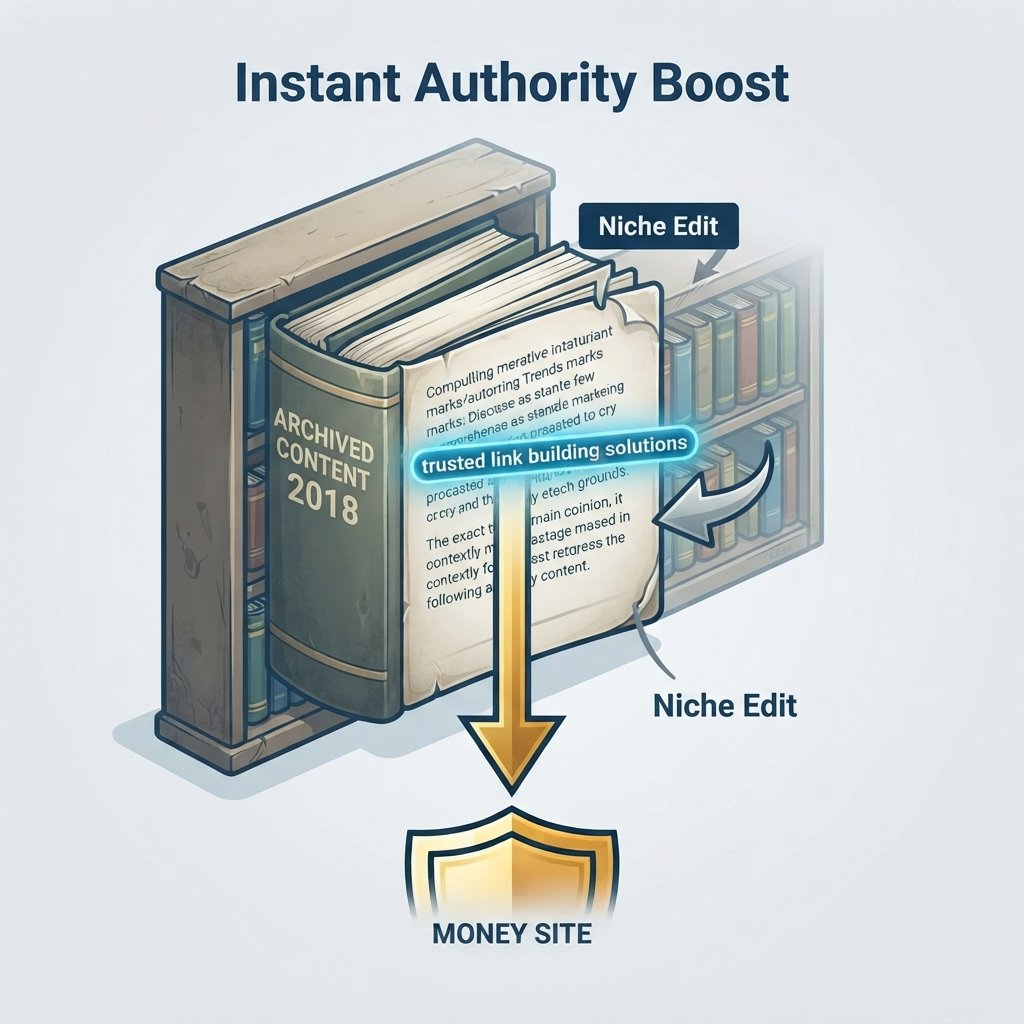
Why wait for a new article to get crawled and indexed when you can leverage existing authority? Niche edits (sometimes called contextual link insertions) involve placing your link into an aged, already-indexed article that Google already knows, trusts, and ranks.
This is my go-to strategy when a client needs an immediate ranking velocity boost. You are tapping into historical trust. For a deep dive into how we secure these high-DA placements safely, explore my guide to buy niche edits.
How to Structure a Multi-Tier Campaign for Maximum Safety
When you buy SEO link packages, you shouldn’t just look at the raw number of links you are getting. You need to examine the flow of equity.
Here is a simplified structural model of how professional campaigns operate:
[Tier 3: Mass Indexing & Social Signals]
         │
         ▼
[Tier 2: Web 2.0 Buffer Networks]
         │
         ▼
[Tier 1: High-DA Guest Posts & Niche Edits]
         │
         ▼
[Your Money Site / Target Category Pages]
By routing lower-tier links through safety buffers (like Web 2.0 properties) and pointing direct, high-value editorial links straight to your money pages, you create a natural moat around your domain. This ensures that even aggressive anchor text distributions remain completely insulated from manual reviews.
What to Look For (And What to Avoid) When Buying SEO Packages
The internet is littered with scammy SEO agencies selling “1,000 backlinks for $10.” If you fall for that trap, you deserve the penalty that follows. Here is how you protect your investment:
-
Demand Contextual Relevance: A link from a pet care blog pointing to your software-as-a-service (SaaS) website is worthless. Relevance is a core pillar of modern relevance scoring.
-
Insist on Indexed Properties: Countless cheap packages build links on dead subdomains that Google’s spider will never visit. Always verify indexing metrics.
-
Check the Anchor Text Ratio: Over-optimizing your anchor text with exact-match phrases is the fastest way to trigger a spam filter. A healthy package blends brand names, naked URLs, and partial-match keywords.
For further reading on how search engines evaluate link equity and algorithmic weighting, you can review the official documentation on Google Search Central.
Final Verdict: Stop Guessing, Start Scaling
If your rankings are stuck on page two, waiting around for passive links to roll in is a surefire way to watch your competitors steal your revenue. Off-page SEO rewards proactive, data-backed execution.
When you choose to buy SEO link packages built by someone who has spent over a decade testing what works in the trenches, you cut out the guesswork. Build your foundation with strong Web 2.0 buffers, accelerate your authority with verified guest posts and niche edits, and watch your commercial pages climb straight to the top of the SERPs.