
If you’ve spent any time in the trenches of search engine optimization, you already know the truth: most SEO agencies sell garbage links packaged in pretty reports. They promise the world, throw your URL into automated bot software, and leave you wondering why your organic traffic flatlined.
I’ve been building, testing, and indexing backlinks for over a decade. I’ve seen Google algorithm updates wipe out entire networks overnight, and I’ve watched properly structured tier-one assets push stubborn keywords straight to the top of Google organic SERPs.
When you want to buy SEO backlink packages, you aren’t paying for raw metrics or fancy anchor text ratios—you are paying for real-world testing experience that keeps your site safe while driving actual revenue.
Here is my no-nonsense guide on how to choose backlink packages that work, what to look out for, and how to structure your link-building campaign for maximum ROI.
Why Most Backlink Packages Fail
Let’s get one thing straight: low-cost, automated Fiverr gigs will get your site penalized or ignored. Google’s core algorithms are smart enough to spot footprint-heavy, spun comment spam from a mile away.
When you buy cheap SEO packages, you usually get:
-
Public Blog Networks (PBNs) with exposed footprints: Hosted on the same C-class IP, using the same registrar, with no organic traffic.
-
Mass directory submissions: Outdated tactics that carry zero weight in modern search engine algorithms.
-
Over-optimized anchor text: Dropping exact-match keywords across thousands of low-quality forums instantly triggers spam filters.
If you want to rank #1, your link profile needs to look natural, diverse, and contextually relevant. That requires a mix of foundational assets, contextual placements, and powerful buffer tiers.
Essential Components of a Winning SEO Backlink Package
A high-performing backlink package isn’t a one-size-fits-all product. It’s a calculated blend of different link types designed to pass maximum link juice safely. Here is what every solid package needs to include:
1. High-Authority Contextual Links
Contextual links—links embedded naturally within the body of an article—are the gold standard of off-page SEO. A single contextual link from an authoritative, aged site with real traffic beats a thousand directory links any day of the week.
Depending on your niche and budget, you want to secure placements through trusted services. If you are looking to expand your core link-building strategy, you should learn how to buy guest posts to get your brand featured on real sites with established organic visibility. Alternatively, if you want to tap into existing authority, leveraging services where you buy niche edits places your link directly inside aged, indexed articles that are already ranking.
2. Tiered Buffer Networks (Web 2.0s)
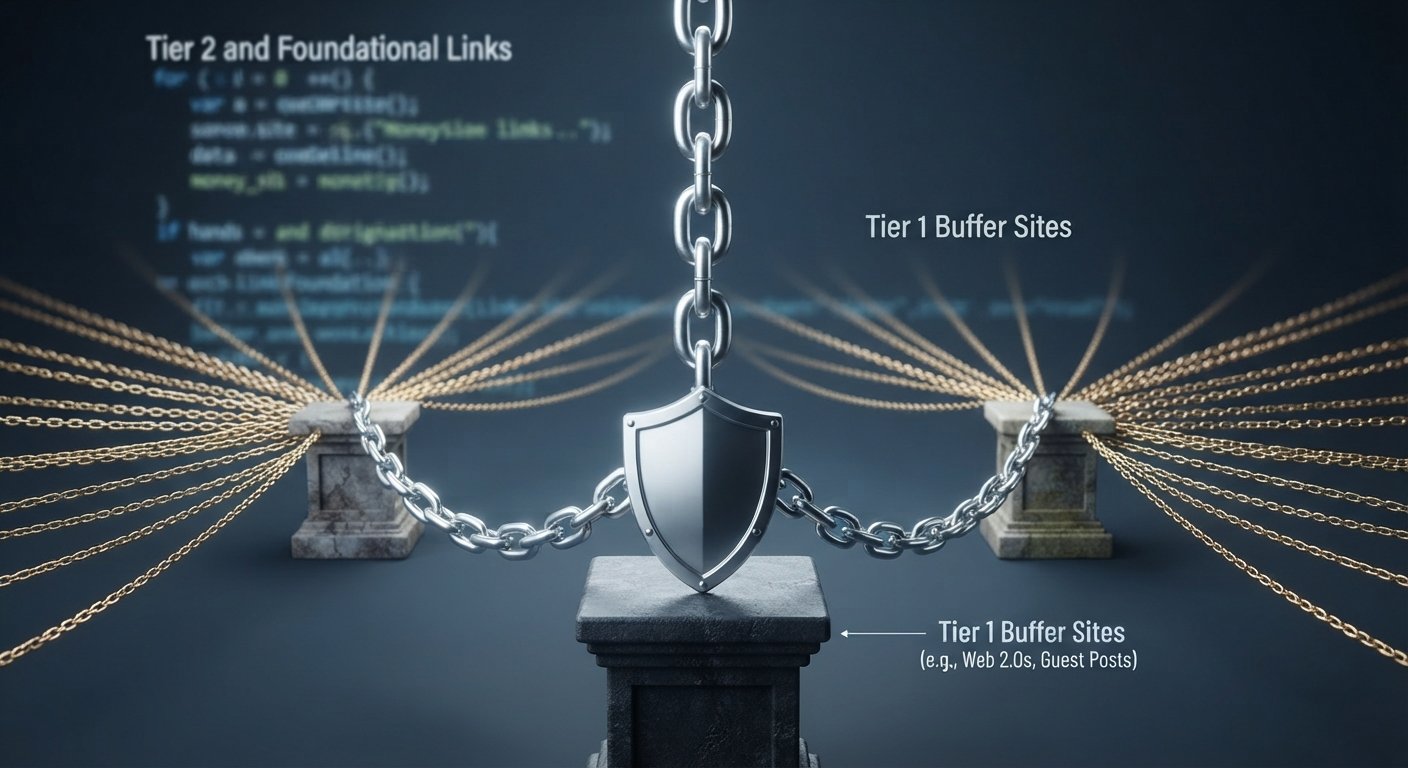
Directly pointing thousands of links at your money site is a fast track to a manual penalty. That’s why professional SEO campaigns use tiered link building.
You point powerful, high-authority links at tier-one buffer properties—like authoritative blogging platforms and social properties—which then pass filtered, diluted authority safely to your main site. If you want to master this technique yourself, read my detailed breakdown on how to use web 2.0 sites for backlinks.
3. Foundational Trust Signals
Before you scale aggressive anchor text profiles, your site needs a healthy baseline of brand mentions, social profiles, and directory citations. These safety-net links prove to search engines that your business is legitimate and trustworthy.

How to Choose the Right Backlink Package for Your Site
Before you spend a dime on any campaign, audit your current link profile and authority standing. Use industry-standard tools like Ahrefs or SEMrush to analyze your current backlink gap compared to your top three ranking competitors.
Keep these core rules in mind when shopping around:
-
Insist on Quality Over Quantity: Ten high-DA contextual links will always outperform 10,000 automated profile backlinks.
-
Check the Indexation Rate: A link doesn’t pass value if Google hasn’t crawled and indexed it. Insist on packages that include proper indexation strategies.
-
Diversify Your Anchor Text: Never use 100% exact-match keywords. Mix in branded anchors, URL anchors, and natural phrases to keep your profile clean.
If you are just starting out and want a comprehensive roadmap on what to look for when investing in off-page optimization, check out my complete guide on how to buy backlinks. It covers everything you need to avoid getting burned by low-quality vendors.
Final Thoughts
Ranking #1 in Google organic SERPs isn’t about luck—it’s about executing a proven, tested strategy that aligns with what search engine spiders want to see: relevance, authority, and natural growth.
When you decide to buy SEO backlink packages, choose a provider that relies on hands-on testing rather than outdated theoretical advice. Build your links with purpose, diversify your strategy, and watch your rankings climb.