
When you launch a brand-new website, you’re essentially starting in the “Google sandbox.” You’ve got zero authority, zero trust, and your site is invisible to the search engines. It’s natural to feel frustrated and start looking for the fastest way to get your rankings moving. You’ve likely heard that buying backlinks is the ultimate shortcut.
But then the doubt creeps in: Are there any risks to buying backlinks for a new website?
It’s the most common question I get asked here at Rankers Paradise. My answer? Yes, there are major risks—but only if you’re doing it the wrong way.
If you head over to a cheap marketplace, drop $50 on a “10,000 backlink blast,” and point it all at your homepage, you’re asking for trouble. That’s not SEO; that’s a recipe for a penalty. However, if you understand how to build a multi-layered backlink framework, buying links becomes a powerful, safe way to build authority.
Here is how you navigate the risks and safely build a link profile that hits #1.
1. The Real Risks: What You’re Actually Up Against
Google’s algorithms (like Penguin) are constantly hunting for “unnatural” behavior. For a new site, you have no historical “link equity” to hide behind. If you mess up, Google doesn’t have a reason to forgive you.
-
Algorithmic Devaluation: This is the most common “penalty.” Google’s filters simply ignore your purchased links. You waste your budget, and your rankings remain stuck.
-
Manual Actions: This is the worst-case scenario. If a human reviewer suspects you’re manipulating the system with low-quality, spammy links, your site can be de-indexed entirely.
-
The “Footprint” Problem: Google can easily spot links that look like they belong to a PBN (Private Blog Network). If your links share the same server, theme, or outbound linking pattern, you’re caught. As I’ve explained in my guide on how to tell if a seller is using a PBN, you need to demand transparency.
2. The Safe Blueprint: A Step-by-Step Strategy
You don’t need to “rent” links indefinitely. You need to earn authority through a structured, tiered approach.
Step 1: Establish Your “Entity” First
Before you buy a single contextual link, build your foundation. Your site needs to look like a legitimate business.
-
Action: Create active profiles on all major social platforms (Facebook, Twitter, LinkedIn).
-
Goal: These are your “authority signals.” They tell Google you’re a real entity.
Step 2: The Power of Web 2.0s
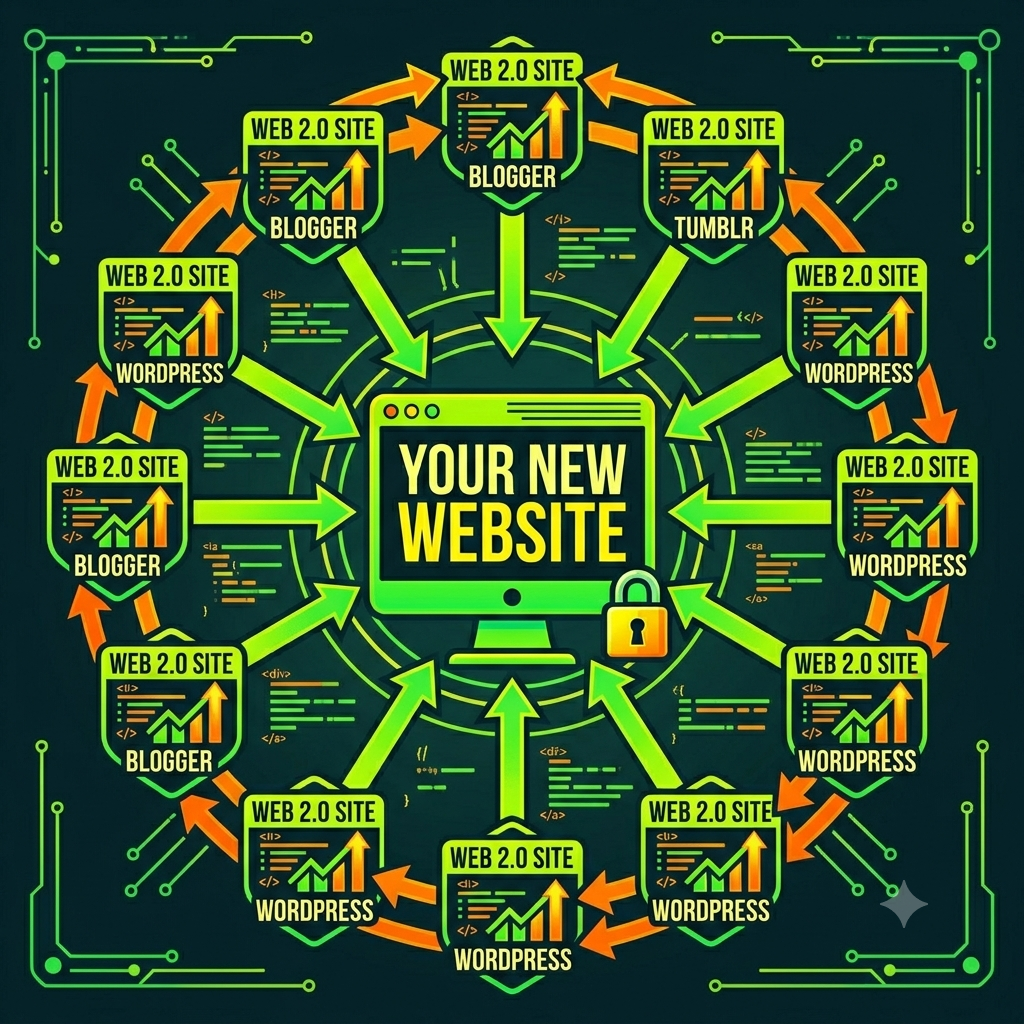
I’ve always said that Web 2.0 backlinks are the backbone of any new site. They allow you to control the content and the anchor text entirely.
-
Pro Tip: If you want to index these fast without paying for extra tools, read my blueprint on how to index Web 2.0 backlinks.
Step 3: Use Press Releases for Trust
For a new site, nothing screams “trust” like being mentioned in the news. High-authority press release distribution gets you on legitimate media outlets. It’s one of the few ways to get a high volume of quality links that Google actually expects to see for a new brand.
Step 4: Drip-Feed High-Power Contextual Links
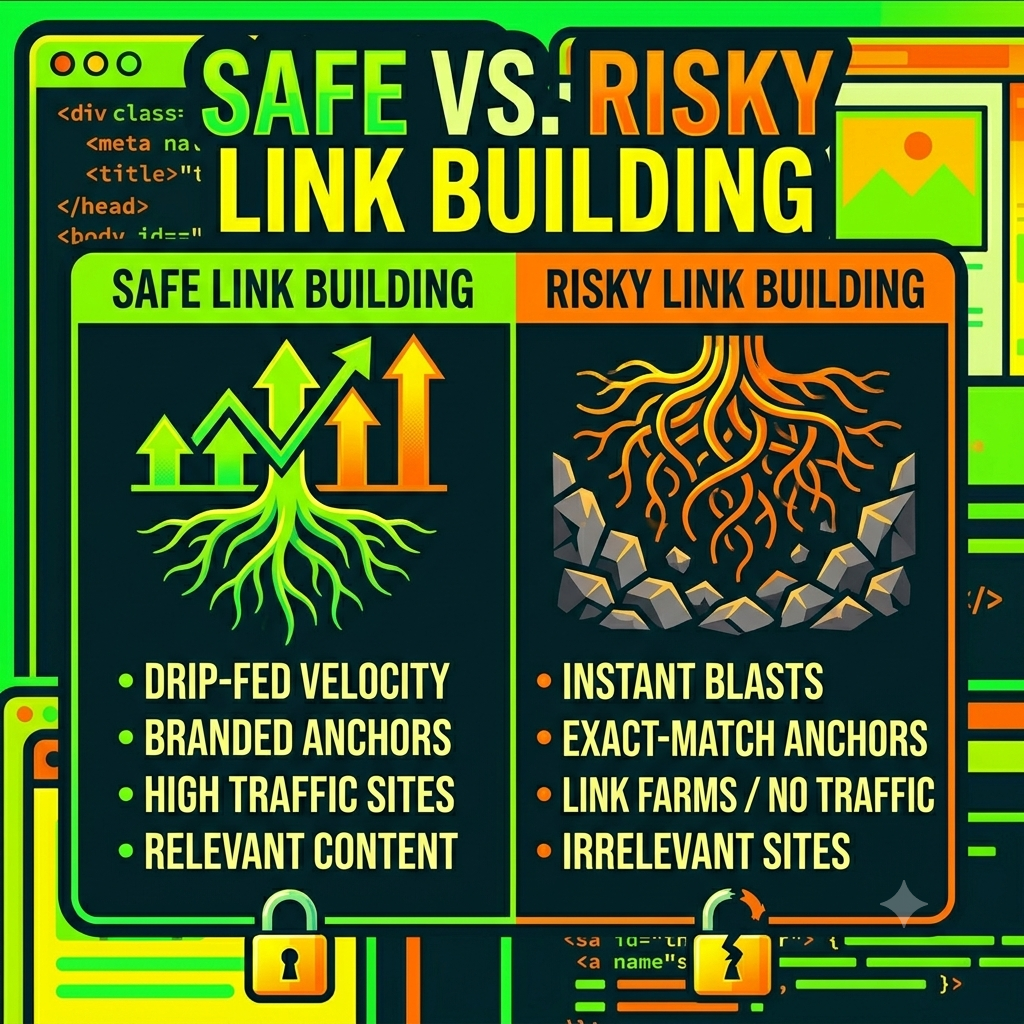
Once you have your base, you can add high-quality guest posts or niche edits. Keep the anchor text diverse—never over-optimize. Use your brand name, your naked URL, and long-tail variations of your keywords.
3. How to Evaluate Link Quality (Before You Buy)
Don’t just take a seller’s word for it. Whether you are using my services or someone else’s, check these three things:
-
Organic Traffic: Use a tool like Ahrefs or Semrush to see if the site actually gets visitors. If it has 0 traffic, it’s a link farm. Avoid it.
-
The “Outbound” Rule: Does the site link out to 50 different “grey area” niches (casino, pharma, etc.)? If so, stay away. You want a site that links to related, relevant topics.
-
Content Quality: Are the articles on the site actually readable by a human? If it’s pure, scrambled AI gibberish, Google will devalue the link as spam.
Final Thoughts: The “Natural” Illusion
The goal of your backlink strategy is to mimic a natural link-earning process. When you do it yourself or use a professional service, always ask: Would this link look weird if a real human reader clicked on it?
If the answer is “no,” you’re on the right track.
Ranking #1 isn’t about having the most links; it’s about having the best links that point to high-value content. If you follow this framework—building your foundation first, diversifying your anchor text, and focusing on niche relevance—you can buy backlinks for a new website safely and dominate the SERPs.
Need a hand getting started? Check out my full list of SEO services to see how we build high-authority frameworks that actually stick. And for more deep-dives into SEO, check out Search Engine Journal for the latest industry updates.
Still confused about your backlink profile? Leave a comment below or reach out directly at Rankers Paradise—let’s get your site to the top.