
If you have been doing SEO for more than five minutes, you already know the dirty secret of the backlink industry: most of what gets sold on public marketplaces is absolute garbage.
You find a cheap vendor, drop fifty bucks on a package of links, wait a few weeks for a report, and check your rankings. What happens? Absolutely nothing. Or worse—Google’s core algorithm updates, your traffic craters, and you spend the next three months trying to recover from a slap.
I’ve been building links, testing footprints, and ranking sites right here at Rankers Paradise for a decade. I don’t care about the safe, vanilla advice being handed out by software conglomerates on X or theoretical SEO gurus who haven’t ranked a churn-and-burn affiliate site since 2018. I care about what moves the needle in the organic SERPs right now.
If you want to buy PBN links and actually see your commercial keywords jump from page two to position #1 without triggering manual penalties, you need to understand how private networks operate under the hood today.
Let’s cut the fluff and look at how to do this right.
Why Most PBN Links Get Penalized (And How to Avoid the Footprints)
Google’s spiders aren’t stupid. Over the years, search engine algorithms have gotten ruthlessly efficient at sniffing out amateur private blog networks.
When rookie SEOs build a PBN, they commit the exact same fatal errors every single time:
-
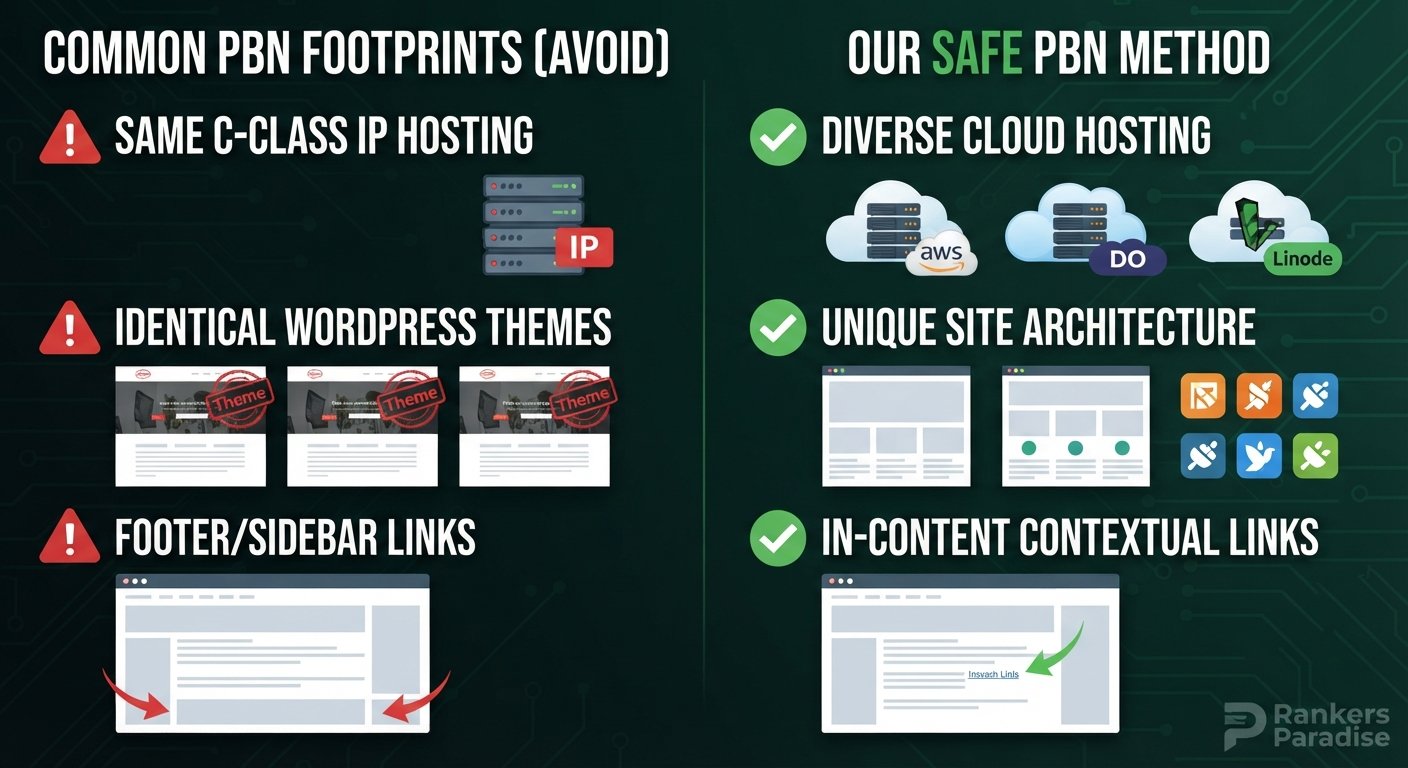
Host Spam: They host fifty different domains on the exact same cheap web host using the same C-class IP block.
-
Lazy Registrar Data: They register every domain through the same registrar using identical registrant names and leave WHOIS privacy disabled or configured with matching fingerprints.
-
Template Monotony: They install the exact same WordPress theme across every site in the network, use identical plugins, and fail to configure unique CSS or administrative parameters.
-
Outbound Linking Abuse: They blast outbound links exclusively to money sites without mixing in authority links to Wikipedia, major news outlets, or non-commercial resources.
If you are going to buy PBN links, the network architecture must mimic a legitimate, organic media property down to the DNS layer. When we deploy links from our private networks, every single site is hosted on completely distinct cloud and independent IP infrastructures, utilizing randomized registrars, unique themes, and natural historical link profiles.
Need a foundational refresher on how off-page authority flows? Before diving into private networks, make sure you understand the baseline fundamentals by checking out our guide on how to buy backlinks.
The Anatomy of a High-Performing PBN Link
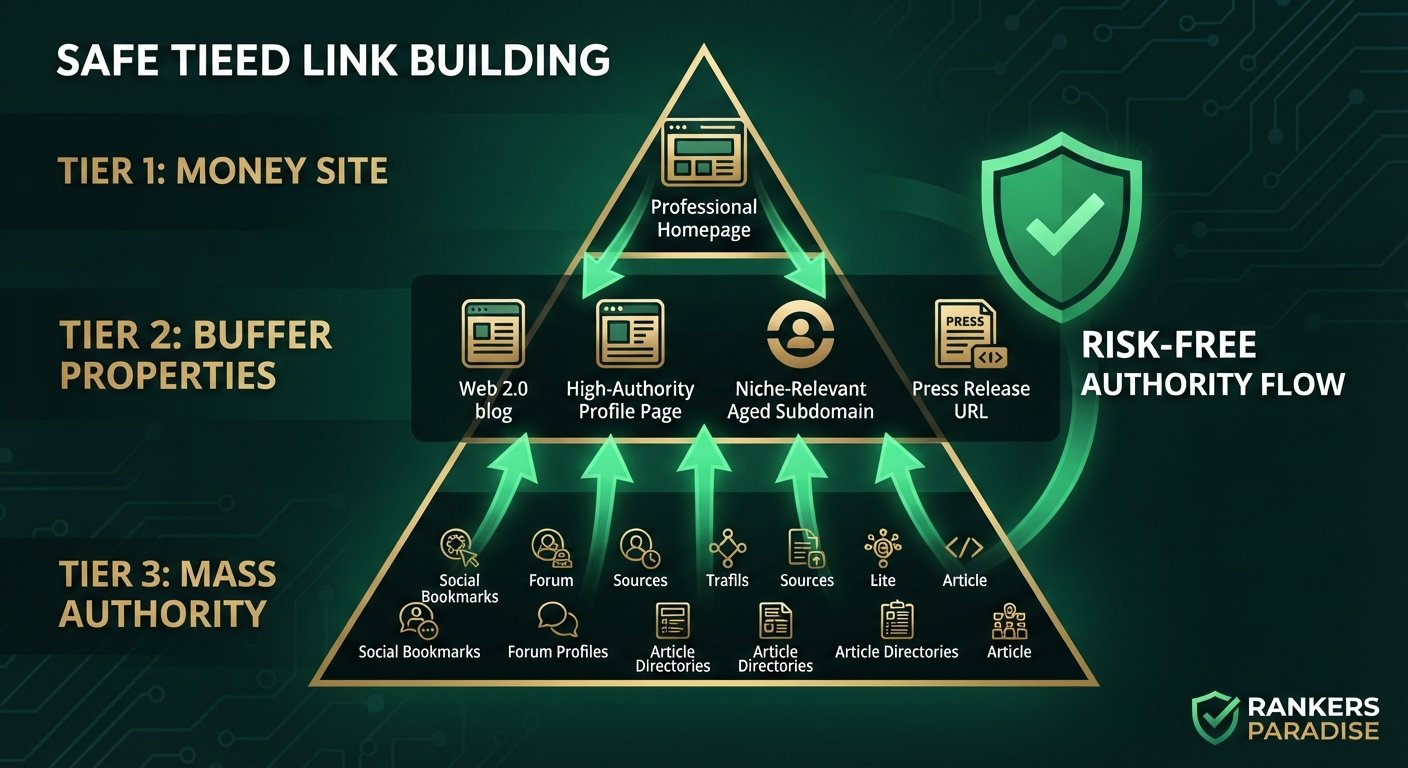
Not all private network placements are created equal. If you are paying for a link on an expired domain, you need to verify that the underlying asset possesses genuine historical weight rather than inflated metrics.
1. Aged Domain History vs. Fake Metrics
Anyone can manipulate Domain Rating (DR) or Domain Authority (DA) using cheap redirect schemes or spammy tier links. When evaluating a PBN site, look past the surface-level SEO tool metrics. You need to check the Wayback Machine archive to ensure the domain actually had a clean, legitimate history in a real niche before it expired.
2. Real Content Relevance
A PBN article cannot be a 250-word spun paragraph loaded with exact-match anchor text. The content needs to read like a genuine human-written article that naturally integrates your target keywords. It should include internal links to other pages within the network and authoritative outbound references to trusted sources.
If you want to understand how content architecture supports contextual link placement, take a look at our strategies for leveraging web 2.0 backlinks to build strong buffer layers.
3. Contextual Placement Within the Body
Sidebar and footer links on PBNs are dead. They scream “paid placement” to search engine crawlers. The only links that matter are in-content contextual links embedded naturally within the body paragraphs of an aged, indexed article.
How to Integrate PBN Links Safely Into a Commercial Campaign
If you point a raw, unbuffered PBN link directly to a brand-new, zero-authority domain with aggressive exact-match anchors, you are asking for trouble. Modern SEO requires a structured, tiered approach.
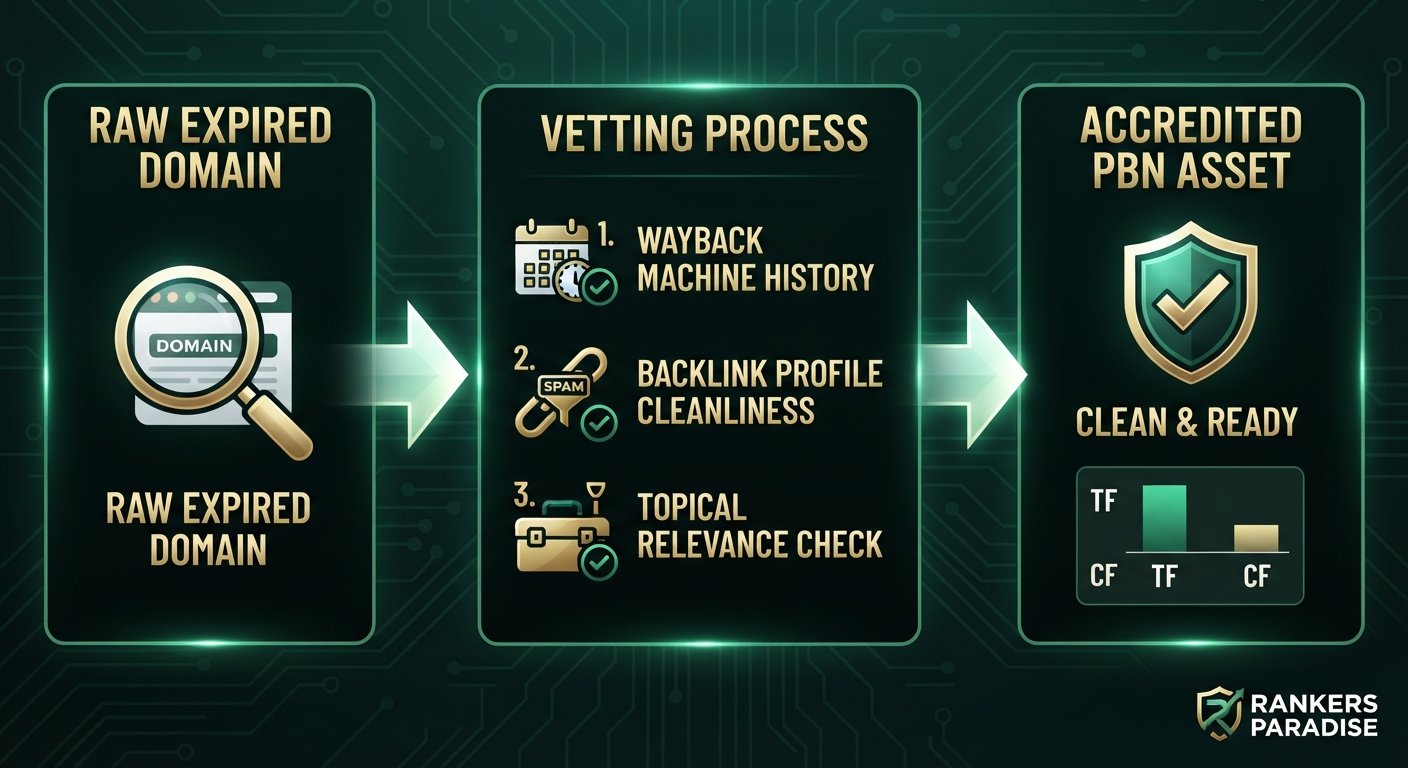
The Tiered Link Pyramid Strategy
-
Tier 1 (Your Money Site): Keep your primary commercial pages clean. Drive high-authority niche edits, guest posts, and foundational mentions directly here.
-
Tier 2 (Buffer Properties): This is where you deploy your powerful PBN links and Web 2.0 properties. Point the PBN links at your Tier 2 buffer assets (such as high-metrics profiles or authoritative subdomains) to pass raw link juice upward while insulating your money site from direct algorithmic risk.
If you are operating in ultra-competitive verticals—such as financial services, CBD, or competitive gaming niches—risk management is everything. Before launching any aggressive off-page push, I always recommend running a comprehensive diagnostic. You can check out our diagnostic framework for handling a backlink audit to ensure your link profile is completely healthy.
For a real-world example of how aggressive off-page strategies succeed in cutthroat environments, read our breakdown of an iGaming SEO case study to see how high-authority tiered assets move competitive terms.
Frequently Asked Questions
Are PBN links safe for long-term SEO?
Yes, provided they are built with zero detectable footprints. If the hosting is diversified, the content is high quality, and the anchor text distribution is natural, PBN links remain one of the most effective ways to force stubborn commercial keywords to the top of Google.
How many PBN links do I need to rank?
It depends entirely on your niche competition. For low-to-medium competition commercial keywords, a handful of clean, aged PBN placements funneled through a proper tier structure can be enough to secure the top spot. Highly competitive national keywords require a continuous, diversified campaign combining PBNs, niche edits, and guest posts.
Should I point PBN links directly to my homepage?
As a general rule, distribute your link velocity across internal category pages, product pages, and your homepage to maintain a natural user-journey and link profile.
Conclusion: Stop Guessing and Start Ranking
SEO isn’t about waiting around for algorithms to magically reward your content; it’s about taking calculated control of your off-page authority. If your competitors are dominating the top spots, they aren’t getting there on luck—they are leveraging powerful, tested link architectures behind the scenes.
Stop wasting budget on disposable services that deliver zero results. Secure your rankings today by browsing our tested shop packages and taking control of your organic traffic.