
I am going to show you exactly how vector embedding clustering works for web 2.0 semantic indexing, and you can follow this guide step-by-step to future-proof your off-page SEO strategy. If you have been following my work here at Rankers Paradise, you already know that search engine optimization moves faster than ever. We have moved past basic keyword matching and simple text-string parsing. Search engines and AI retrieval systems now operate on dense vector spaces, latent semantic indexing, and high-dimensional clustering.
If you want to stay ahead of the curve and rank #1 in the Google SERPs for emerging, futuristic search terms, you need to understand how search spiders map decentralized subdomains into mathematical vector coordinates.
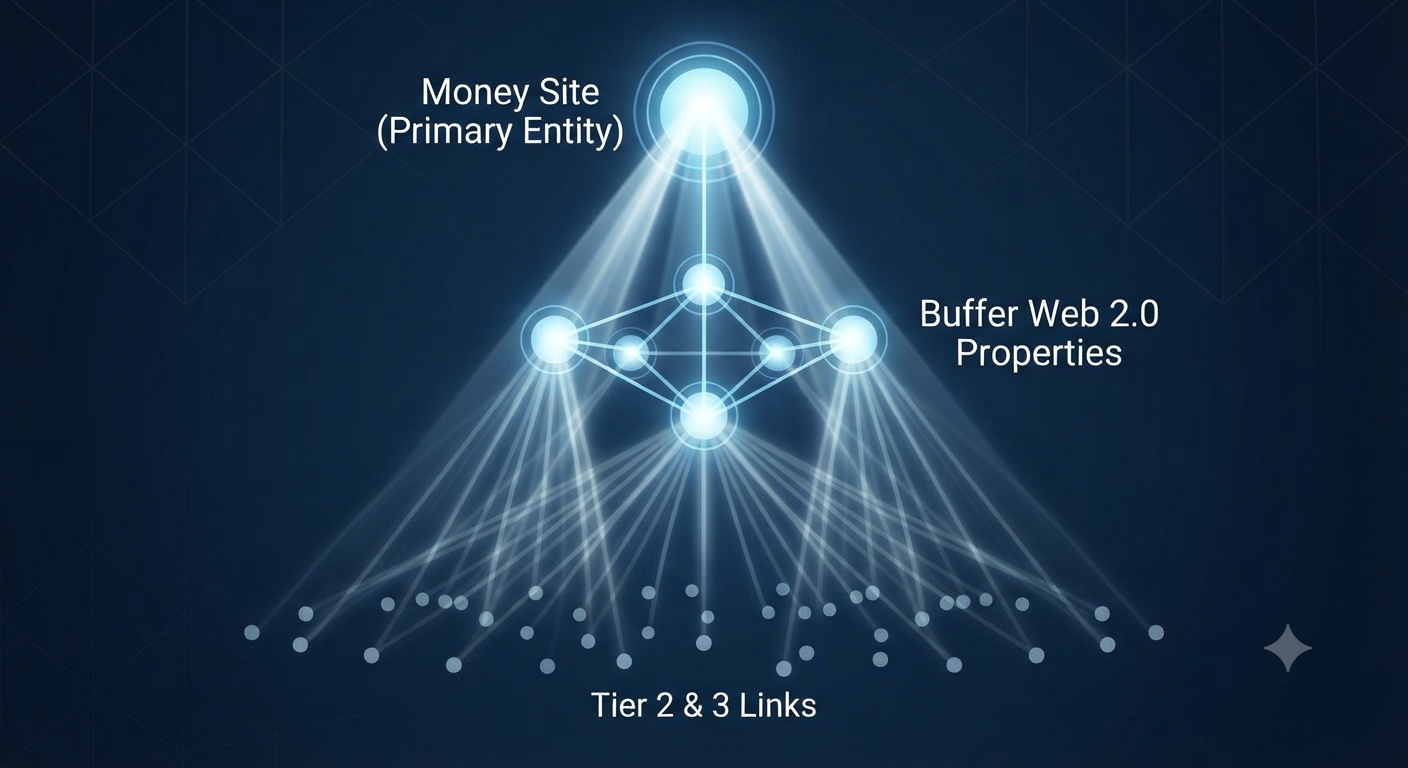
Before we go any further, let’s take a look at the fundamentals of how off-page assets interact with modern retrieval engines. If you want to scale your results across multiple properties, you can learn how to buy backlinks safely and effectively, or explore our core methodology on web 2.0 backlinks to build a bulletproof buffer tier.

What Is Vector Embedding Clustering in Modern Search?
To understand how modern search indexing treats decentralized subdomains, you first need to understand what a vector embedding actually is.
Traditional search engines looked for exact keyword matches. If your page said “web 2.0 backlinks” ten times, the algorithm counted those strings and matched them against user queries. Modern retrieval systems do something entirely different. They convert words, sentences, and entire documents into numerical arrays—vectors—which are placed inside a high-dimensional mathematical space.
Vector embedding clustering is the process where search engine algorithms group related concepts together based on their mathematical proximity (semantic distance) rather than literal keyword overlap.
When you publish content on decentralized blogging platforms, Google bot and generative retrieval agents don’t just read your text line by line. They map your content’s vector coordinates to see if its semantic cluster aligns with your money site, or if it drifts off into completely unrelated territory.
Why Traditional Web 2.0 Indexing Methods Fail in 2026
If you are still building Web 2.0 properties the exact same way SEOs did back in 2018—dropping thin spun articles packed with exact-match anchor text—you are going to notice your subdomains dropping out of the index faster than ever.
Google’s core spam updates and semantic evaluation filters look specifically at vector dispersion. If a free subdomain’s vector embedding sits too far away from the core topical cluster of your primary domain, the algorithm treats the link as noise.
To make sure your decentralized assets actually pass powerful ranking signals to your main site, you need to structure your buffer content so that its vector cluster supports your primary entity without triggering algorithmic penalties. For a real-world look at how structured off-page campaigns perform under strict algorithmic conditions, check out our iGaming SEO case study, where we pushed competitive properties straight to the top of Google.
How to Optimize Web 2.0 Content for Semantic Vector Spaces
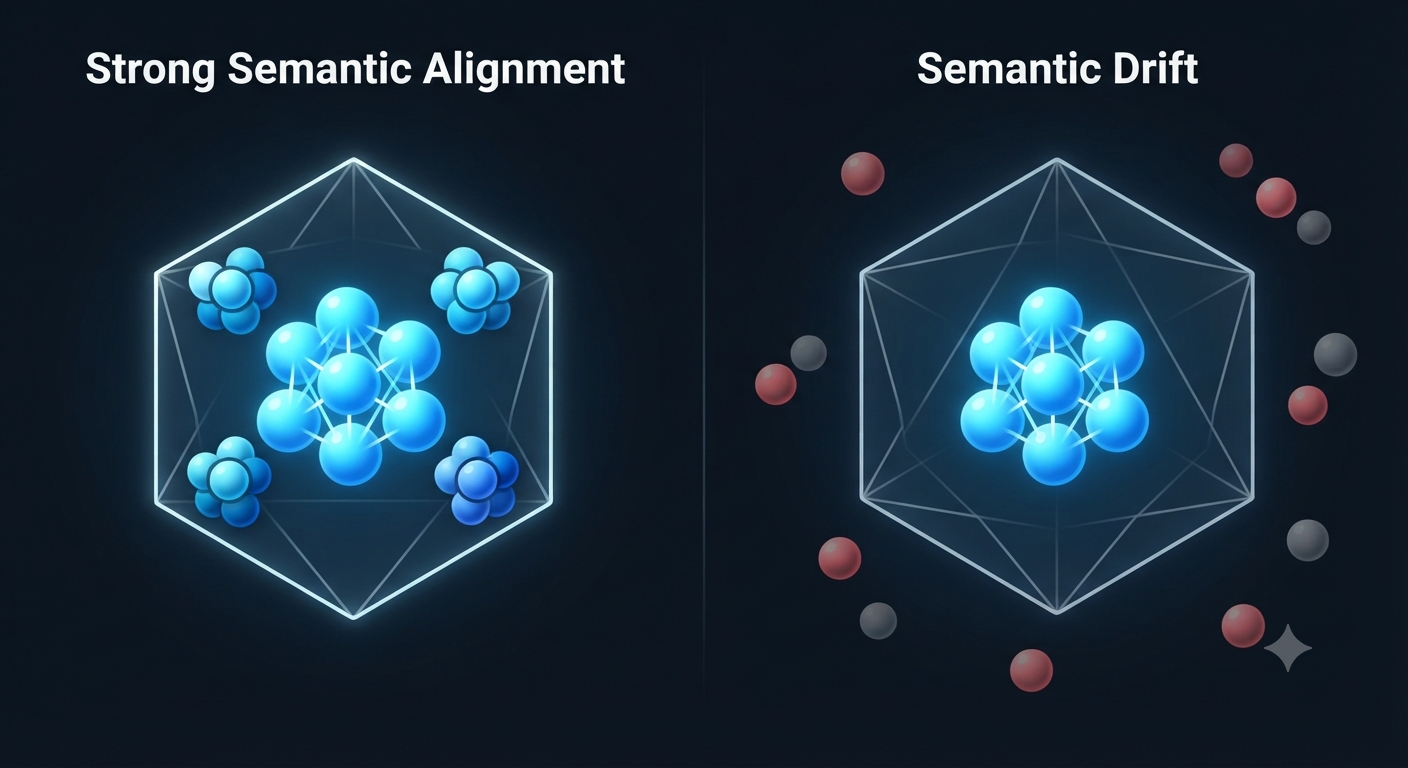
If you want Google bot to crawl, index, and pass maximum equity from your decentralized properties, your content optimization strategy needs to change. You cannot rely on random keyword stuffing. You need to engineer content that creates a tight vector cluster.
Here is the exact optimization checklist to follow for every Web 2.0 property you build:
-
Semantic Entity Co-occurrence: Instead of repeating your exact target keyword fifty times, include closely related semantic entities. If your target is vector embedding clustering for web 2.0 semantic indexing, your content should naturally mention terms like dense retrieval, latent semantic space, neural embeddings, token distance, and subdomain indexing.
-
Contextual Proximity: Ensure that your primary keyword appears naturally within the opening paragraph, the central implementation breakdown, and the conclusion. Keep your overall keyword density well under 1% to prevent artificial triggering of spam filters.
-
Structured Heading Hierarchies: Use H1, H2, and H3 tags to segment your thoughts. Retrieval models use document structure to weight vector importance across different sections of a webpage.
-
Regular Backlink Audits: Before scaling your buffer tier, always run a comprehensive backlink audit to ensure your anchor text distribution and referring domain health remain clean and natural.
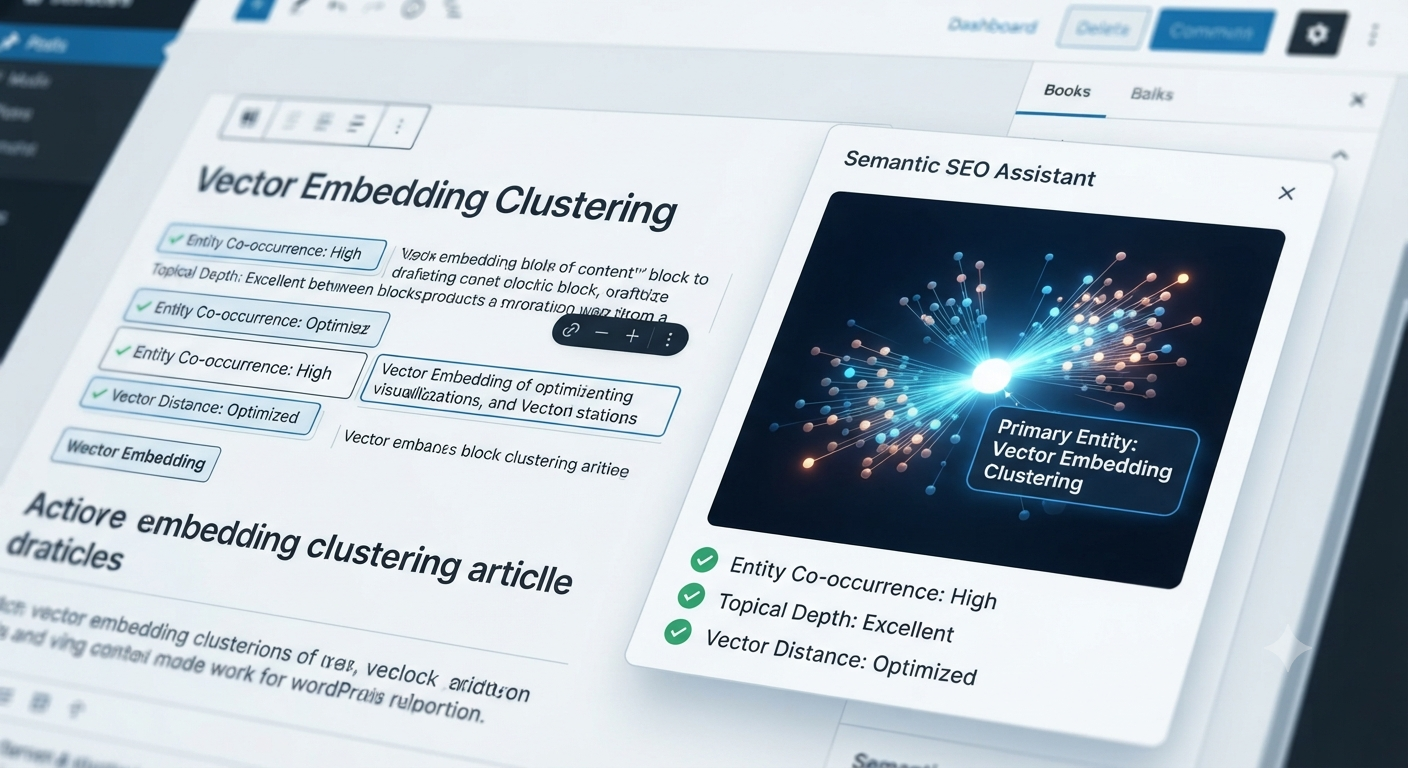
Step-by-Step Blueprint: Building Vector-Aligned Web 2.0 Properties
Let’s walk through the exact framework you can use to build decentralized buffer sites that satisfy modern vector clustering requirements.
Step 1: Select Stable Platforms
Choose reliable platforms that retain their indexation over time. As outlined in our foundational guides, platforms like Wix, Weebly, WordPress.com, and Strikingly remain solid choices because they maintain high domain authority and allow clean structural customization.
Step 2: Generate Semantically Rich Content
Instead of pasting thin, unedited AI paragraphs, prompt your content generation tools to write around topical depth and sub-topics. Ask for a comprehensive breakdown of the technical mechanics, practical applications, and future implications of your subject. This ensures the resulting text contains a diverse spread of related terms that create a dense, stable vector cluster in the search engine’s embedding space.
Step 3: Implement Strategic Internal and External Links
When placing your links within the Web 2.0 post, avoid spammy exact-match anchors across every single property. Use a balanced anchor text profile:
-
Branded Anchors: Using your brand name or website name.
-
URL Anchors: Using the clean open URL.
-
Partial Match / LSI Anchors: Using descriptive variations of your target topic.
-
Exact Match Anchor: Use your exact target keyword sparingly (e.g., once every five properties).
Step 4: Force Instant Crawling and Indexing
Once your Web 2.0 post is live, do not wait around for weeks hoping Google bot stumbles across it. Use instant indexing tools or API submission methods to push the URL directly to search engine crawlers. Getting your buffer posts indexed quickly ensures the vector relationship between your decentralized property and your primary domain is established right away.
Frequently Asked Questions About Semantic Indexing and Web 2.0s

Does vector clustering replace traditional PageRank?
No, it does not replace it—it enhances it. PageRank still dictates the flow of authority weight, but vector embedding clustering determines relevance. If a link has high PageRank but poor semantic clustering (meaning the content is completely off-topic), modern search algorithms discount its value.
How do I know if my Web 2.0 content is properly clustered?
The best indicator is indexation stability. If Google bot crawls your subdomains and keeps them in the index without dropping them after a core update, your semantic clustering and content relevance are aligned correctly with algorithmic expectations.
Can I use AI-generated content on Web 2.0 blogs?
Yes, provided you structure the prompts correctly and ensure the output contains deep semantic context rather than shallow, repetitive phrasing. Adding unique images, proper formatting, and structured headings helps humanize the content and satisfies quality guidelines.