
I am going to show you exactly how you can prepare for the future of search engine optimization by securing the next evolution of link authority. If you want to stay ahead of the curve and dominate the search engine result pages before everyone else catches on, follow this guide step-by-step.
To prove that forward-thinking strategies work, I will walk you through how decentralized trust signals and AI indexing are changing the game. Before we go any further, you should understand: What are decentralized identity anchor backlinks for LLM retrieval?
Decentralized identity anchors are cryptographic verifications tied to decentralized identifiers (DIDs) and verifiable credentials. When large language models (LLMs) like ChatGPT, Claude, and Perplexity crawl the web via Retrieval-Augmented Generation (RAG) pipelines, they don’t just look at traditional HTML hyperlinks. They look for cryptographic trust signals and entity-verified data nodes.
When you know how to buy decentralized identity anchor backlinks for LLM retrieval, you can position your website as a primary trusted authority for AI search engines.
Before you go ahead and get these links in place, you need to find a keyword to work on and make sure your website’s foundation is solid. If you need help building out your overall portfolio, you can always check out our guide on how to buy backlinks.
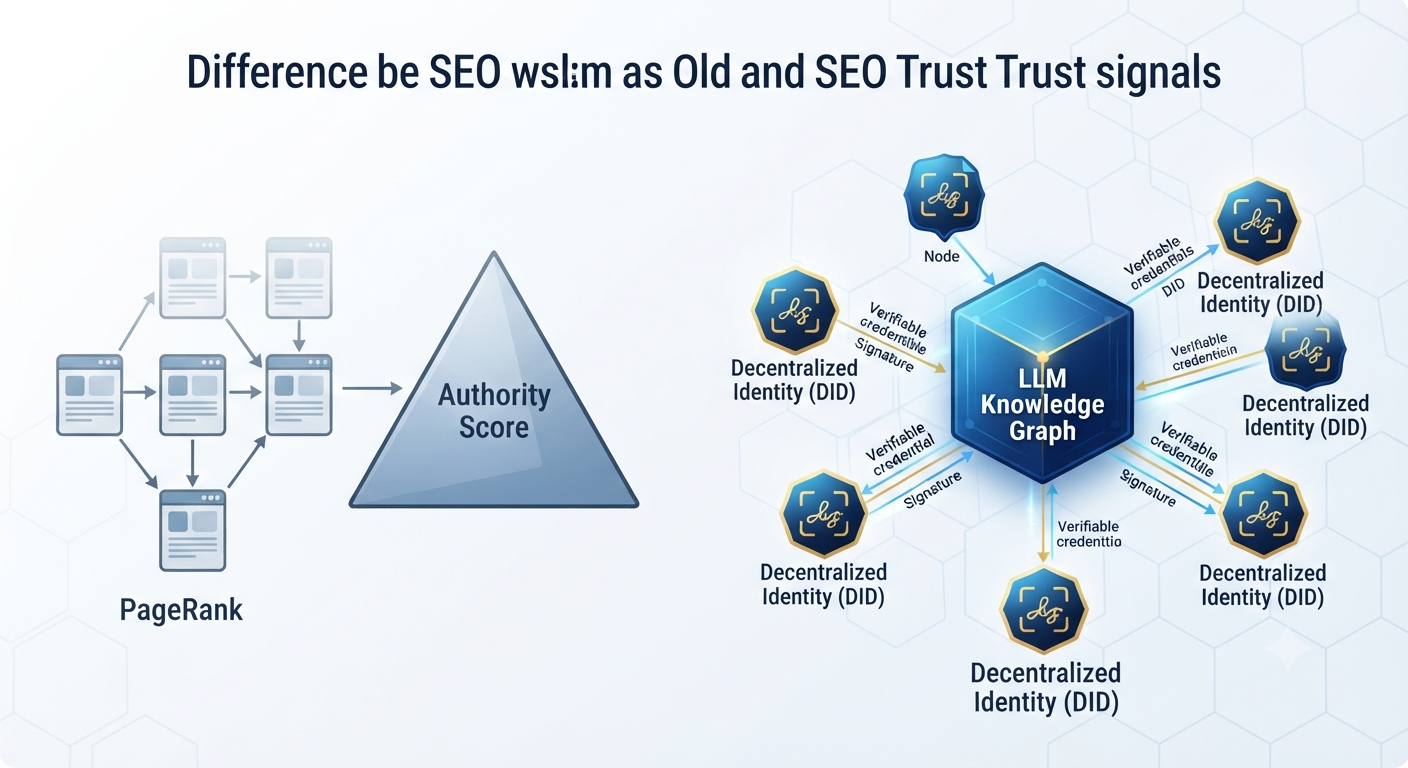
Table of Contents
-
How To Find Your Keywords
-
How To Write/Optimize Your Website Content
-
How To Index Your Content
-
Understanding Decentralized Identity Anchors in SEO
-
How to Buy Decentralized Identity Anchor Backlinks Safely
-
Leveraging Web 2.0 Networks and Authority Sites
-
Real-World Impact on iGaming and Competitive Niches
-
Frequently Asked Questions About LLM Backlinks
How To Find Your Keywords
Before I show you how to acquire these advanced AI-focused backlinks, you must get some low SEO competition keywords. Head on over to the Explore Keywords website. This is a completely free keyword research tool.
Pop a seed search term into the search bar and hit the search button. I like the look of long-tail keywords that target emerging technologies because the search competition is practically zero.
To check the SEO competition of a keyword, head on over to the Serp Robot website. Enter your website URL and your target keywords, and hit the search button.
Take a look at the top-ranking websites for your target keyword. Under the ranking results section, go ahead and click on the “RUN SEARCH” button. This will run a Google search on your target location for the target search term.
Now you can assess the competition. This is how you know if you should go ahead and try to rank for this target search term. If the top-ranking sites do not have the exact keyword in the Title, URL, or deep content, you have discovered a low SEO competition keyword. This means you will be able to rank #1 on Google for this search term with great content alone.
If your site needs a thorough checkup before launching new campaigns, you should run a professional backlink audit to ensure your link profile is clean and ready for growth.
How To Write/Optimize Your Website Content
Now that you have your low SEO competition target keyword, it is time to write and optimize your content. Here is a basic checklist to follow to ensure your content is fully optimized and ready to rank #1 on Google:
-
Ensure the keyword is in the META DATA: Title Tag and Description Tag.
-
Ensure the keyword is in the H1 TAG.
-
Ensure the keyword is mentioned in at least one H2 TAG.
-
Ensure the keyword is in one image ALT TAG.
-
Ensure the keyword is mentioned at the top, middle, and bottom of the content. The overall keyword density should be under 1%.
Do not over-optimize your content. I keep the keyword within the content just below 1%. If your website is on WordPress, you can use a plugin like Yoast to assess your content for you. Get green lights on the Yoast SEO plugin to know your content is well-optimized.
How To Index Your Content
To get our content crawled by Google bot and indexed into the SERPs, we use the Rank Math Instant Indexing Plugin for WordPress.
When you have installed and activated the plugin, you just need to drop the URL for your new content into the instant indexing box and hit the “Send to API” button. This will ensure Google bot crawls and indexes the new content on your website quickly.
Next, you can go ahead and start to rank it using targeted backlink strategies. If you want to give your pages an extra push in authority, you can learn how to use web 2.0 sites for backlinks to build a diversified, natural tier of contextual power.
Understanding Decentralized Identity Anchors in SEO
Traditional search engine optimization relied purely on PageRank, anchor text ratios, and domain authority. While those metrics still matter for standard Google organic results, the landscape is shifting toward Answer Engine Optimization (AEO).
When LLMs fetch information to answer user queries, they use vector databases and retrieval plugins. These models evaluate the trustworthiness of a source based on:
-
Entity Verification: Is the brand recognized as a legitimate entity across the decentralized web?
-
Cryptographic Signatures: Are data feeds signed with verifiable credentials or decentralized identifiers (DIDs)?
-
Contextual Backlink Nodes: Do referring domains pass semantic trust vectors rather than just standard HTML link juice?
When you buy decentralized identity anchor backlinks for LLM retrieval, you are essentially acquiring verified references from decentralized networks, Web 3.0 nodes, and structured data registries that AI crawlers prioritize during RAG operations.

How to Buy Decentralized Identity Anchor Backlinks Safely
Just like traditional link building, buying advanced technical links requires caution and strategy. You cannot simply purchase spammy links from automated forums and expect AI crawlers to trust them.
Here is how you should approach acquiring these advanced links safely:
-
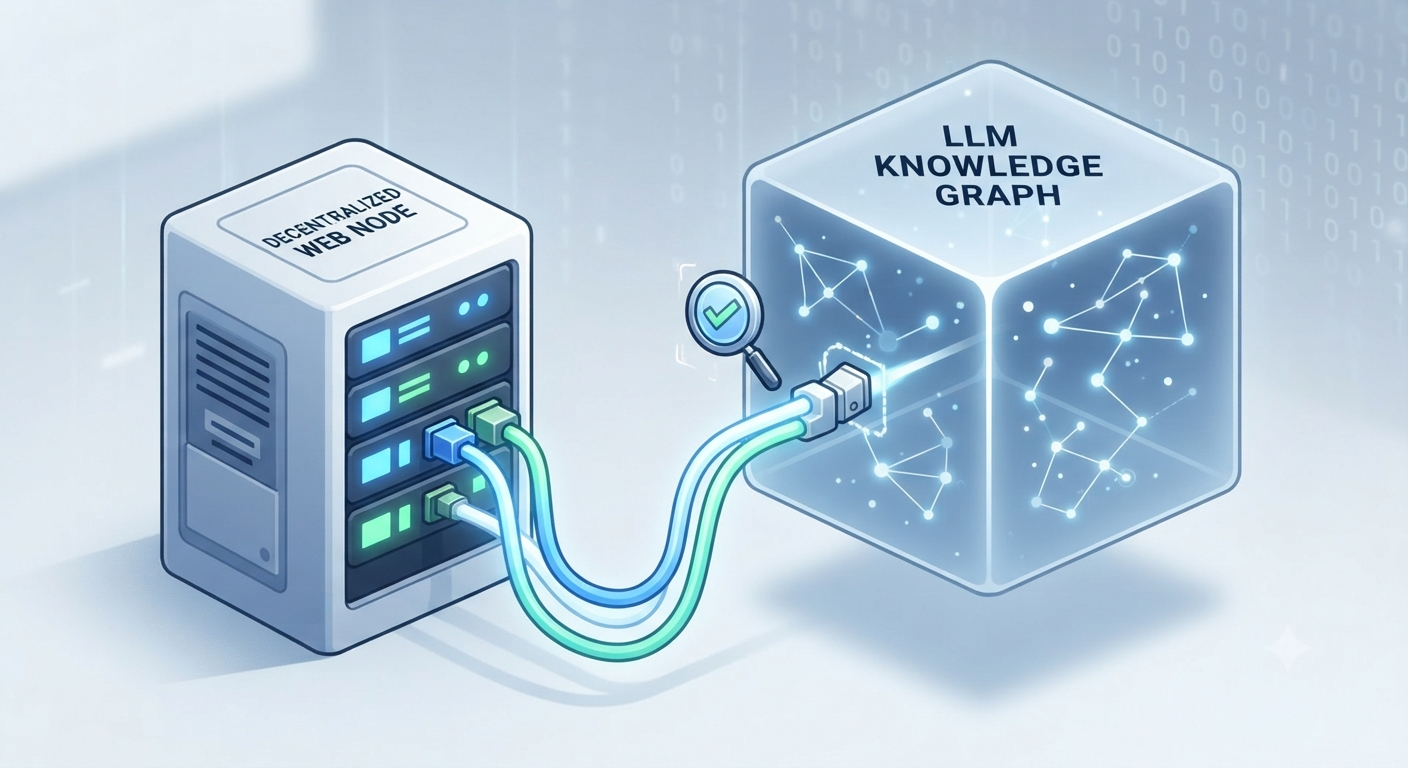
Target Decentralized Web Nodes: Look for platforms and service providers that publish content across decentralized storage networks and IPFS-linked blogs.
-
Focus on Schema and JSON-LD Integration: Ensure that the platforms linking to you include proper schema markup connecting your brand’s DID or official entity profile.
-
Diversify Anchor Text: Mix your cryptographic identifiers with natural brand mentions and descriptive long-tail anchors so your profile looks organic to both traditional spiders and AI algorithms.
For industries facing intense competition, such as financial services or specialized entertainment markets, implementing advanced trust signals is vital. You can see how high-level authority strategies play out in competitive sectors by reading our detailed iGaming SEO case study, which highlights how rigorous technical optimization secures top rankings.
Frequently Asked Questions About LLM Backlinks
Why do LLMs care about decentralized identity anchors?
LLMs rely on RAG (Retrieval-Augmented Generation) to pull real-time facts. Decentralized identity anchors provide cryptographic proof that the content source is authentic, reducing hallucinations and making the domain a preferred citation source for AI models.
How is this different from buying traditional backlinks?
Traditional backlinks pass standard link equity and PageRank via HTML <a> tags. Decentralized identity anchor backlinks attach verifiable credentials and entity nodes to the link relationship, making them machine-readable for AI agent crawlers.
Can I rank for competitive terms using this strategy?
Yes. By targeting forward-thinking micro-niches and combining them with solid on-page optimization, you can capture high-intent search traffic before mainstream competitors even realize the shift has happened.