
If you are running an e-commerce storefront on Shopify, you have probably heard the same tired advice from “white-hat” agencies: “Don’t ever buy backlinks! It will kill your organic traffic, drop your store into the sandbox, and Google will nuke your business overnight.”
They scare you into paying massive monthly brand-management retainers while your competitors—the ones who actually know how to play the digital game—are quietly acquiring powerful authority, locking down the top spots in the search engine results pages (SERPs), and taking all your buyers.
Let’s get one thing clear: buying backlinks isn’t the problem. The way people build them for e-commerce platforms is.
Shopify stores possess a unique, highly commercial site architecture. If you blast a raw product variant page with cheap software-generated links or drop 50 exact-match anchor texts directly onto an isolated inventory URL, you are asking for a manual penalty. But if you do it smartly using a calculated, safe blueprint? You will watch your collections climb straight to the top of Google.
If you want to understand the foundational rules of link acquisition before diving into e-commerce specifics, check out my complete guide on how to buy backlinks to learn how to properly acquire authority without raising any flags.
Today, I am going to show you exactly how to buy backlinks for a Shopify store safely, preserve your store’s brand equity, and build an off-page strategy that pulls consistent, buyer-intent search traffic without triggering a single filter.
Why E-Commerce Link Building is Completely Different
Backlinks are the ultimate vote of confidence for search engines, but a Shopify store does not behave like a standard affiliate blog or a local service site. Most people fail because they try to use standard blog link-building tactics on a liquid-based e-commerce framework.
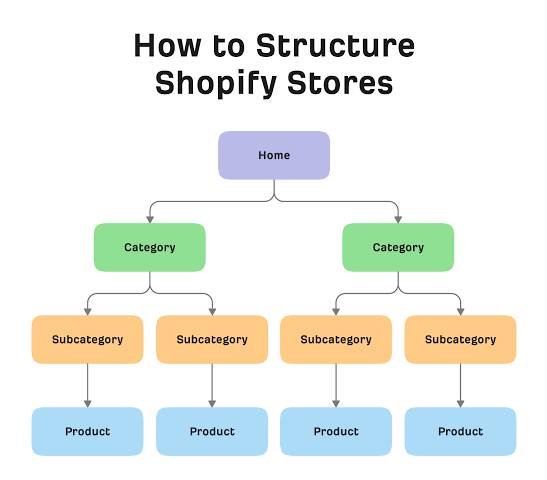
When you buy backlinks for a storefront, you have to account for three major platform risks:
-
The Volatile Product Lifecycle: Products go out of stock, variants change, seasonal lines end, and inventory collections get deleted. If you buy permanent, high-tier editorial links directly to a specific product URL and that product gets discontinued next season, you have completely wasted your SEO budget. You end up with a broken 404 error page or a messy redirect that kills your link juice.
-
The Commercial Footprint Filter: Real blogs naturally get links because people reference their informational guides or case studies. E-commerce storefronts do not naturally get thousands of contextual links pointing to a raw checkout page or an inventory variant. Google’s real-time spam filters—driven by advanced machine learning systems like Google SpamBrain—know this. If your link profile is 90% exact-match commercial keywords pointing to product listings, it stands out like a sore thumb.
-
The Internal Link Distribution Control: Shopify manages its internal architecture using rigid collection paths (
/collections/and/products/). To rank safely, you must utilize the natural flow of the site’s design to distribute link juice from your external targets down to your specific items.
The Safe 3-Step Target Architecture Blueprint
Before you place a single order in any SEO store or talk to a vendor, you need to map out exactly where those links are going to point. To keep your store completely safe, follow this structural hierarchy.
1. Funnel 70% of Your Budget to Collection Pages
Your category and collection URLs (e.g., yourstore.com/collections/leather-boots) are the ultimate sweet spot. They are permanent, they rarely change, and they naturally host multiple products.
When you buy authority links and point them directly at a collection page, the link juice flows naturally down into every single product nested inside that collection via your internal collection grid navigation. If an individual item goes out of stock, your link equity remains completely safe inside the collection framework.
2. Use Informational Blog Assets as Your “Link Cushions”
If you want to buy high-risk, high-reward links like powerful guest posts or multi-tier Web 2.0 link networks, do not send them to a sales page.
Write a comprehensive, high-value informational guide on your native Shopify blog (e.g., “The Ultimate Guide to Maintaining Full-Grain Leather Boots”). Buy your backlinks directly to this informational asset. If you are leveraging contextual link wheels to power up these cushions, take a look at my blueprint for building a Web 2.0 link wheel to see how to structure your tiers correctly. Passing that acquired power down to your commercial product pages using internal links with exact-match anchor texts completely breaks the commercial footprint, shields your sales pages, and keeps the Google bot happy.
3. Keep Product Page Links Native and Minimal
Only buy direct links to specific product URLs if you are trying to push an absolute bestseller that is already sitting on page two. When you do this, ensure the links come from highly relevant, contextual lifestyle or review blogs that naturally make sense to a human reader.
Mastering E-Commerce Anchor Text Ratios
If you miss this step, no amount of high-quality content will save your rankings. You must make your storefront’s backlink profile look completely natural.
Real e-commerce storefronts naturally accumulate brand names, raw URLs, and generic phrases because that is how real shoppers share links on forums, social media, and lifestyle blogs. Look at any massive brand—people link to them by name, not by stuffing exact keywords.
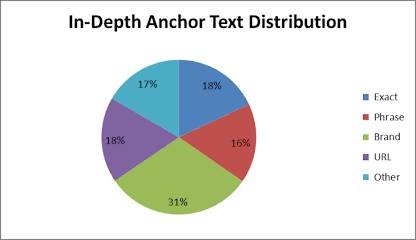
When buying links across your campaign schedule, map out your anchors using this exact distribution formula:
| Anchor Text Type | Target Distribution | Examples |
| Branded / Naked URL | 60% – 70% of total links | YourBrand, yourstore.com, [https://yourstore.com/collections/boots](https://yourstore.com/collections/boots) |
| Generic / Safe Phrases | 15% – 20% of total links | Click Here, Visit Store, Check out this brand, Website |
| LSI / Partial Match | 10% – 15% of total links | Premium leather boots store, Find comfortable boots online |
| Exact-Match Commercial | Less than 5% of total links | buy leather boots, shop winter boots |
Pro Tip: Keep your exact-match commercial keywords reserved almost entirely for your internal links moving from your informational blog posts to your collection pages. For your purchased external links, stick heavily to branded and naked variations to keep your profile clean. If you are building these foundational assets yourself, read through my do-it-yourself SEO guide to maintain clean anchor safety.
How to Verify Link Quality Before You Pay
To rank a low-competition long-tail keyword with good content and a few safe links, you don’t need thousands of spammy forum comments or automated profiles. In fact, blasting your site with low-grade spam will just trigger a messy referrer traffic loop in your Shopify Analytics dashboard. You just need a few clean, trusted contextual placements.
When looking for a safe link provider, use these four non-negotiable audit steps to ensure you aren’t buying toxic garbage:
-
Check for Real Organic Traffic: Do not look at third-party domain metrics like Domain Authority (DA) or Domain Rating (DR) alone. These can be easily manipulated with spam loops. Put the vendor’s sample sites into a traffic analysis tool like Ahrefs or Semrush. If the site does not have real, steady organic traffic from Google, do not buy from them. A link from a site with zero traffic passes zero trust.
-
Audit the Outbound Link Relevance: Look at the content already published on the seller’s network. If you see an article about crypto, followed by an article about a casino, followed by an article about health supplements, you are looking at a messy link mill. The site must have clean, categorized, or niche-relevant topical flow.
-
Verify Indexation Health: Copy 3 or 4 random blog post URLs from the vendor’s site and paste them directly into Google with the
site:operator (e.g.,site:examplesite.com/blog-post-url). If Google hasn’t indexed their recent posts, it means the site is sitting under an algorithmic filter, and your new backlink will never be seen by the Google spider. If you run into indexing headaches on your own auxiliary tiers, you can use my free strategies to fix web 2.0 backlinks indexing issues naturally. -
Insist on Clean Contextual Placement: Your backlink must live natively inside a fresh, uniquely written article of at least 800+ words that includes relevant images with optimized ALT tags. Avoid sidebar, footer, or isolated author bio links.
What to Do If a Linked Product Goes Out of Stock
This is a scenario that trips up almost every e-commerce store owner. You buy links to a page, and three months later, that inventory line is completely discontinued. What do you do with the URL?
-
Do NOT Delete the Page (404 Error): If you delete the page, Google drops it from the index, and all the backlink authority you paid for vanishes instantly.
-
Do NOT Hard Redirect to the Homepage: If you 301 redirect twenty dead product pages directly to your homepage, Google will often treat those as “Soft 404s” and discount the link equity anyway.
-
The Safe Play: Keep the page live, leave a clean “Out of Stock / Discontinued” notice, and use your internal links on that page to point users (and the Google bot) directly to your newest or closest matching collection page. This keeps the paid link equity alive and flowing through your store.
The 60-Day Safe Shopify Ranking Schedule
If you want to move your store safely out of the sandbox and straight onto page one, pace your acquisitions naturally. Sudden bursts of hundreds of commercial links look highly unnatural to real-time pattern-recognition filters. Here is the exact timeline I use to scale authority for a clean Shopify optimization campaign:
The Golden Rule for E-Commerce SEO: Content builds the contextual relevance, but clean, controlled authority is the fuel that moves the vehicle. Optimize your collection descriptions, keep your collection architecture clean, pace your link velocity naturally, and you will dominate your e-commerce niche easily.