
If you’re building a new site, you’ve probably heard the horror stories. Somewhere in a dark corner of an SEO forum, someone is inevitably claiming that Web 2.0s are “dead” or that they’ll trigger a Google penalty.
Let’s get one thing clear: Web 2.0s aren’t the problem. The way people use them is.
I’ve been in the SEO trenches long enough to see tactics come and go. In 2026, Google’s Search Quality Rater Guidelines are more focused on helpful, intent-driven content than ever before. If you’re just blasting low-effort spam to your site, you’re not building a business; you’re building a liability. But if you’re looking for a way to give a fresh domain that initial boost of authority, the right kind of Web 2.0s are still a staple in my toolkit.
Why “Safety” is About Execution, Not Platforms
A Web 2.0 is just a hosted blog on a high-authority domain. When you create a post on a site with massive inherent authority, you’re creating a digital signal. Google’s crawlers—the spiders that index the web—use these signals to understand that your site is being talked about in the wider ecosystem.
The risk doesn’t come from the platform; it comes from unnatural patterns. If you’re unsure about the basics of how to structure these correctly, I’ve put together a full guide on how to use web 2.0 sites for backlinks that covers the setup process you should be following.
3 Rules for Safe Link Building in 2026
If you want to rank #1 without waking up to a “Manual Action” notification in your Google Search Console, stop treating your links like commodities and start treating them like assets.
1. The “Human-First” Content Rule
If your Web 2.0 content looks like a robot wrote it, Google’s AI agents know it. They don’t just look at the link; they look at the page. If the page is a wall of keyword-stuffed text with no value, the link is effectively useless—or worse, a signal that your site is associated with junk.
-
Pro Tip: Add a 300×300 square graphic to every post you publish. Whether it’s a quick chart showing “Growth vs. Competition” or a simple infographic summarizing your main point, original images are one of the most underutilized E-E-A-T signals.
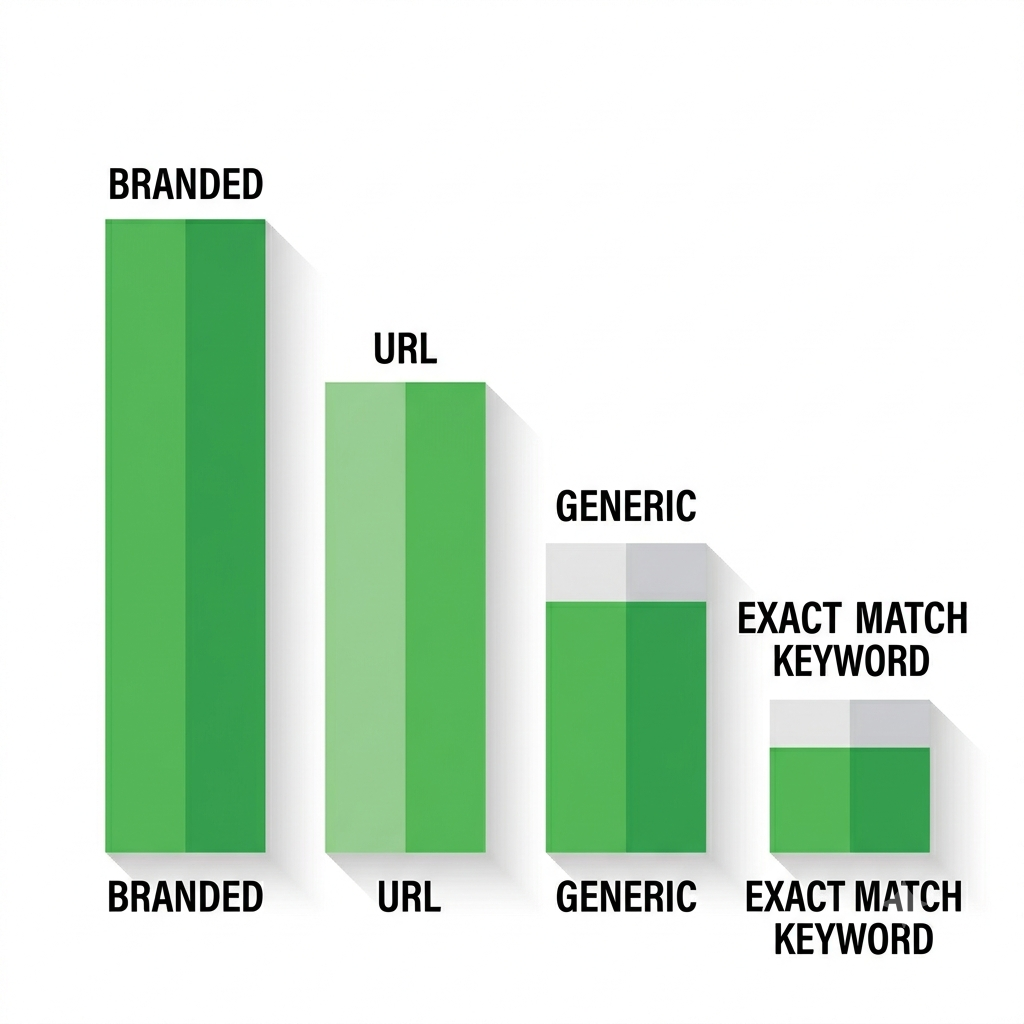
2. Anchor Text Diversification
New site owners often make the mistake of using their target keyword (e.g., “best SEO services”) as the anchor for every single link. That’s a massive footprint. Your profile should look like this:
-
Branded: “Rankers Paradise”
-
URL: “rankersparadise.com”
-
Generic: “Click here” or “Read more”
-
Natural/Long-tail: “How to safely build authority for new websites”
3. Thematic Relevance
Don’t link your pet grooming site from a Web 2.0 blog about crypto-trading. Relevance is the foundation of trust. If you are building a link wheel or a tiered structure, ensure the surrounding content actually makes sense for the topic you’re ranking for.
Understanding Your Backlink Profile
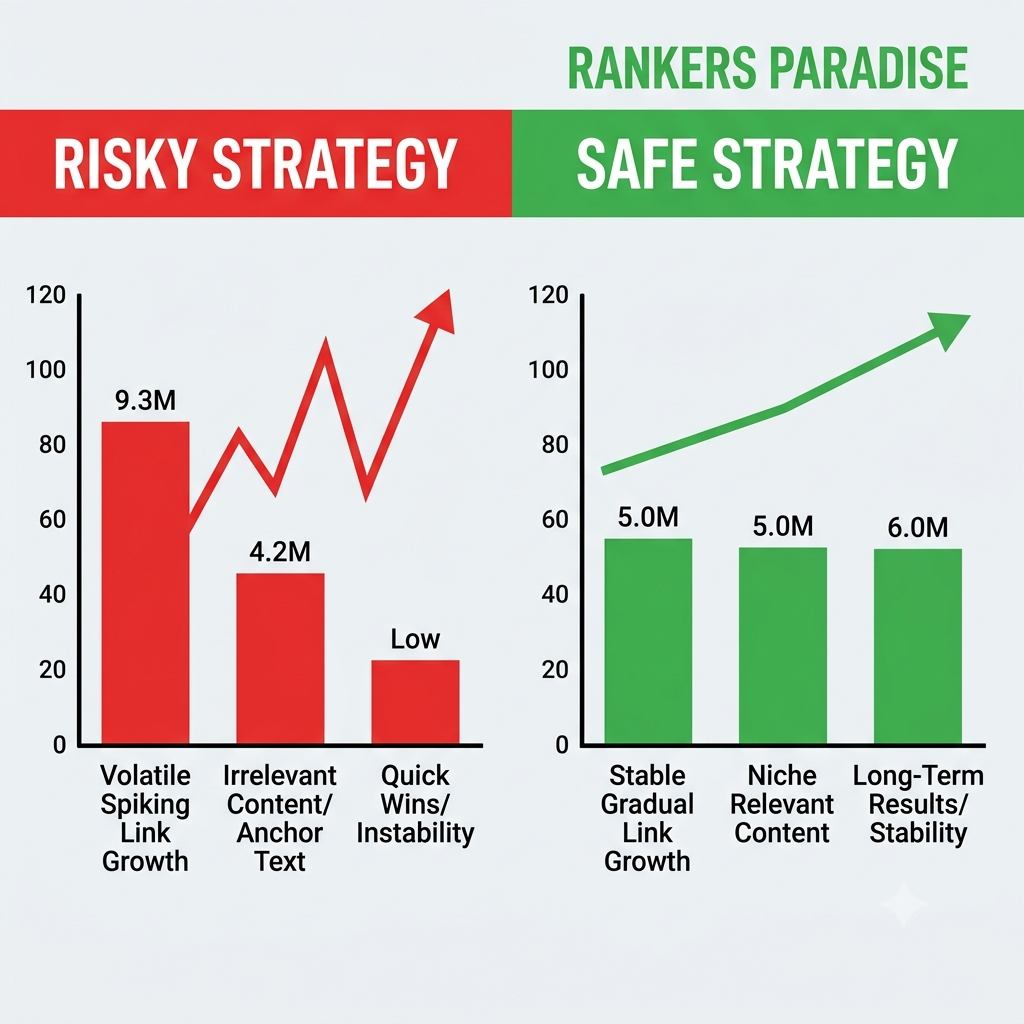
This visual highlights how a balanced growth strategy—combining high-authority links with gradual, relevant Web 2.0 placements—builds long-term trust.
How to Get Started (The Right Way)
You don’t need to overcomplicate this. Start by publishing one or two high-quality pieces on reputable Web 2.0 properties. Make sure the content answers a specific user question, use a mix of anchor texts, and don’t be afraid to link out to other authority sites in your niche—it makes your page look like a legitimate resource.
If you’re feeling overwhelmed by the technical side of link building, I’ve laid out my do it yourself SEO guide to help you handle the heavy lifting without falling into the common traps that plague new domains.
Final Thoughts
Are Web 2.0 backlinks safe for new websites in 2026? Yes. They are a tool. Like any tool, you can use it to build something great or you can use it to break things. Keep your content helpful, your links relevant, and your growth consistent. That is how you stay off the radar of the algorithm while climbing to that #1 spot.
Need a hand getting your site off the ground? Check out my Ultimate 4-Tier Search Dominator—it’s built specifically to provide the foundation new websites need to compete in today’s search environment.